Gynecomastia
A Chest Contour Plan Based on the Tissue That Needs Treating
Gynecomastia surgery in Turkey, also known as male breast reduction, can address persistent chest enlargement. Treatment may involve liposuction for excess fat, surgical excision of glandular tissue, or both, depending on the examination.
At Estexper, assessment comes before choosing the technique. Your surgeon reviews your chest, health and goals, discusses possible causes of enlargement and explains which approach may suit you.
Liposuction and Tissue Excision Address Different Concerns
A fuller chest may contain excess fat, enlarged glandular tissue or a combination. Skin quality also matters. Your surgeon identifies these components before recommending treatment.
Liposuction Liposuction removes excess fatty tissue through small access incisions. It may suit fat-dominant fullness but does not reliably remove firm glandular breast tissue. | Surgical Excision Excision removes glandular tissue through an incision. Excess skin may also need treatment in selected cases; incision placement depends on the correction required. | Combined Treatment Some patients need both liposuction and excision to address fat and glandular tissue together. Your quotation should identify the agreed approach. |
Send photographs and relevant medical information for an initial review. Include medications, supplements, previous treatment and any symptoms. A clinical examination is needed before confirming a diagnosis or surgical plan.
Identify Fat, Glandular Tissue and Skin Excess
Your consultation should clarify what is being treated and why. Ask whether liposuction alone is likely to be enough, whether gland excision is recommended and how the proposed technique affects scars and recovery.
Medical Review Your clinician reviews your health, medication and supplement use, previous surgery and symptoms. Hormonal changes, certain medicines and other conditions may require assessment. Do not stop prescribed medication without medical advice. | Chest Examination The surgeon evaluates tissue distribution, skin and differences between the two sides. Further investigations or specialist review may be needed before surgery is considered. |
Technique & Incisions Your plan specifies liposuction, excision or a combination. Discuss scar locations and whether skin removal is necessary; no particular device or incision pattern is assumed. | International Coordination The planned stay is five days in Istanbul, including one night in hospital. Accommodation, transfers and follow-up appointments are confirmed around your individual schedule. |
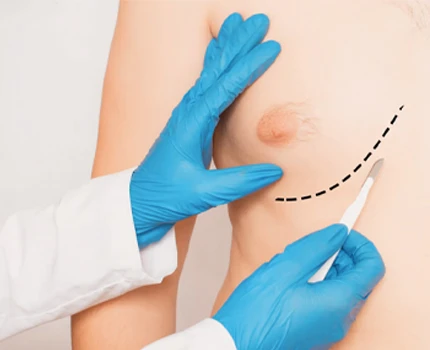
The aim is a chest contour suited to your anatomy. The amount of tissue and any skin excess influence what can be achieved; perfect symmetry or an identical appearance to a stock photograph cannot be promised.
From Arrival in Istanbul to Your First Follow-Up
What’s Included
Recovery Is a Gradual Process
Swelling, bruising and tenderness can affect the early chest appearance. Your team provides guidance on dressings, any drains and a support garment. Follow their instructions rather than adding treatments independently.
Return to work, driving, exercise and lifting depends on your recovery and technique. Report worsening pain, redness or sudden chest swelling promptly. Chest pain or breathlessness requires urgent medical attention.
Allow Swelling and Scars Time to Settle
The appearance can change as swelling reduces and scars mature. Keep your follow-up appointments and discuss persistent asymmetry, discomfort or concerns about your contour.
Weight changes and ongoing causes of enlargement can affect the chest again. Discuss the underlying cause and longer-term care with your clinician; surgery does not replace relevant medical treatment.
Understand the Risks of the Proposed Technique
Risks include bleeding, infection, fluid collection, poor healing, scarring, altered nipple or skin sensation, asymmetry, contour irregularities, persistent pain and anaesthesia-related complications. Blood clots, skin or nipple injury and the need for further surgery are also possible. Your surgeon explains the risks relevant to your treatment.
Frequently Asked Questions
Can gynecomastia be treated with liposuction alone?
Sometimes, when excess fat is the main concern and the skin can adapt. Firm glandular tissue may require surgical excision. The examination determines whether one technique or a combination is appropriate.
What does surgical gland removal involve?
Excision removes excess glandular tissue through an incision. The surgeon explains the position and length of the incision and whether any skin removal is needed.
Can liposuction and excision be combined?
Yes, when both fat and glandular tissue contribute to enlargement. The combination and its scope must be confirmed in your individual treatment plan.
Does every enlarged male chest need surgery?
No. Diagnosis and the underlying cause come first. Weight management, observation or treatment of a contributing condition may be considered. New lumps, nipple discharge or skin changes should be medically assessed.
Will I have scars?
Both liposuction and excision leave incision scars. Their extent depends on the technique and any skin removal. Discuss placement and scar care before treatment.
How long will I stay in hospital and in Istanbul?
The planned stay is five days in Istanbul, including one hospital night. Your treating team may recommend a longer stay or additional observation based on recovery.
How much does gynecomastia surgery in Turkey cost?
Cost depends on whether treatment involves liposuction, gland excision, skin removal or a combination. Request an itemised quotation after an initial review; the final plan follows clinical assessment.
Send recent photographs and relevant medical information to our team. We can review your enquiry and guide you through the next steps before you travel to Istanbul.
Explore face, breast and body procedures in our Plastic Surgery in Turkey guide.
Related Treatment Planning Guides
Prepare questions about your treatment scope, package and return journey.