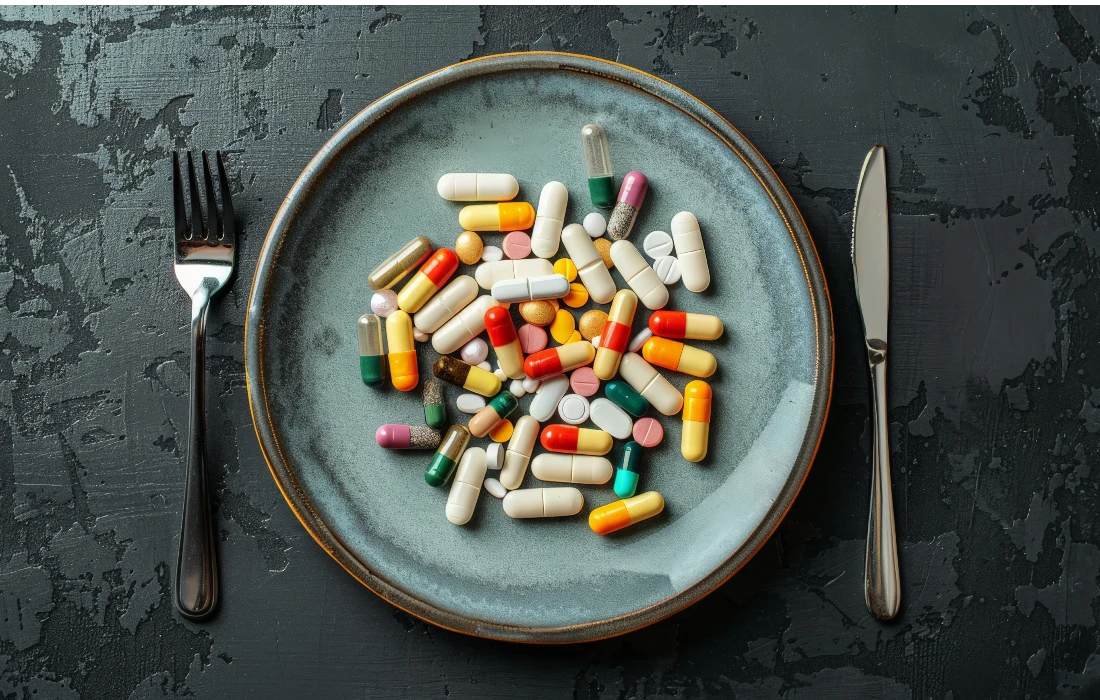
Weight-Loss Drugs in 2026: What They Are, How They Work, and What Patients Should Know
Weight-loss drugs, also called anti-obesity medications, have moved into mainstream medicine because obesity is a chronic disease, and for many people, diet and exercise alone do not produce enough weight loss to meaningfully reduce health risks or maintain long-term results.
Today, several prescription medications are used for chronic weight management, including older options such as orlistat, phentermine-topiramate, naltrexone-bupropion, and liraglutide, as well as newer agents such as semaglutide (Wegovy), tirzepatide (Zepbound), and orforglipron.
Do Weight-Loss Drugs Work?
Yes, for many patients they do. Clinical trials have shown that newer GLP-1-based and dual-incretin medications can produce substantially more average weight loss than older anti-obesity drugs.
However, these medications are not cosmetic shortcuts. They are prescription treatments used for a chronic condition, and the better question is not which drug is strongest, but which treatment has the best benefit-risk fit for the individual patient.
Who Qualifies for Prescription Weight-Loss Medication?
In general, prescription anti-obesity medication is considered for adults with a body mass index (BMI) of 30 or higher, or a BMI of 27 or higher with at least one weight-related condition, such as high blood pressure, type 2 diabetes, or high cholesterol.
Some medications are also approved for adolescents in specific age groups, depending on the product label and medical evaluation.
Main Types of Weight-Loss Drugs
1. GLP-1 Receptor Agonists
These drugs mimic the gut hormone GLP-1, which helps regulate appetite, slows stomach emptying, and can reduce food intake. One of the best-known medications in this class is Wegovy (semaglutide).
2. Dual GIP/GLP-1 Agonists
Zepbound (tirzepatide) activates both GIP and GLP-1 pathways. This dual action appears to improve satiety and metabolic effects beyond GLP-1 alone for many patients.
3. Oral GLP-1 Medicines
Oral GLP-1 medications are especially notable because they may appeal to patients who prefer tablets over injections and may broaden access if pricing and coverage become more favorable.
4. Older Non-Incretin Medications
Older long-term options include orlistat, phentermine-topiramate, naltrexone-bupropion, and liraglutide. These can still be appropriate depending on cost, contraindications, tolerance, and insurance coverage.
The Most Discussed Weight-Loss Drugs
Wegovy (Semaglutide)
Wegovy is a once-weekly injectable GLP-1 receptor agonist approved for chronic weight management. It is widely discussed because of its strong trial results and its role in modern obesity treatment.
Common side effects include nausea, diarrhea, vomiting, constipation, abdominal pain, headache, and fatigue. It also carries important warnings and is not suitable for every patient.
Zepbound (Tirzepatide)
Zepbound is a once-weekly injectable medication that targets both GIP and GLP-1 receptors. Trial data showed substantial and sustained weight loss, which has contributed to rapid interest among clinicians and patients.
Like semaglutide, tirzepatide commonly causes gastrointestinal side effects such as nausea, diarrhea, vomiting, constipation, and abdominal discomfort.
Orforglipron
Orforglipron has drawn attention as an oral option in the GLP-1 category. Its importance lies in the possibility of expanding treatment beyond weekly injections and improving convenience for some patients.
Older Medications Still Matter
Newer GLP-1 and dual-incretin drugs get the most attention, but older medications remain clinically relevant.
Phentermine-topiramate may be effective, but it has important pregnancy-related risks. Naltrexone-bupropion requires attention to psychiatric history and medication interactions. Orlistat generally produces less weight loss than newer agents, but it may still be appropriate in selected cases.
What Results Should Patients Realistically Expect?
Results vary from person to person. Average weight loss in clinical trials is helpful, but real-world outcomes depend on dose titration, adherence, side effects, baseline metabolic health, sleep, nutrition, activity, and whether treatment can be continued long term.
The practical takeaway is simple: the best medication is the one a patient can safely tolerate, afford, access, and sustain as part of a broader treatment plan.
Benefits Beyond the Scale
The value of weight-loss medication is not limited to pounds lost. Obesity treatment may improve blood pressure, blood sugar control, mobility, sleep apnea burden, and other cardiometabolic risk factors.
This is one reason these medications are increasingly viewed as part of serious chronic disease management rather than as lifestyle accessories.
Side Effects and Safety
The most common side effects with GLP-1-based and dual-incretin medications are gastrointestinal, including nausea, vomiting, diarrhea, constipation, abdominal pain, bloating, and indigestion. These effects are one reason clinicians usually increase doses gradually.
More serious warnings and contraindications also matter. Depending on the drug, these may include thyroid tumor warnings, pregnancy-related risks, psychiatric risks, gallbladder issues, pancreatitis concerns, kidney complications from dehydration, and potential interactions with other treatments.
Patients should not start these drugs based only on social media clips, celebrity stories, or copied dose schedules.
Avoid Unapproved Products
Any serious article about weight-loss drugs should make one point clear: patients should avoid unapproved or gray-market products sold online. Medications should come through legitimate medical and pharmacy channels, not from unknown websites or counterfeit supply chains.
Are Weight-Loss Drugs a Lifelong Treatment?
In many cases, obesity care behaves more like blood pressure or cholesterol treatment than like a short-term fix. The biology that drives appetite, weight regain, and metabolic adaptation often does not disappear after a few months of success.
That is why many patients regain weight when therapy stops. Medical decision-making should therefore focus on long-term management, not temporary enthusiasm.
The Access Problem: Cost, Insurance, and Discontinuation
One of the biggest barriers is not efficacy. It is access. Insurance coverage for anti-obesity medication remains uneven, and out-of-pocket costs can be too high for many patients.
In real-world practice, many patients stop treatment because of cost, supply issues, or side effects rather than lack of effectiveness.
Questions Patients Should Ask Before Starting
Before prescribing a weight-loss drug, a clinician should review whether the patient meets BMI and comorbidity criteria, past history of pancreatitis or gallbladder disease, kidney disease, thyroid cancer syndromes, seizures, major psychiatric illness, pregnancy plans, current medications, route preference, expected cost, and what success should look like after several months of treatment.
Bottom Line
Weight-loss drugs are now a major part of evidence-based obesity care. Newer agents have expanded what is possible, but they are not casual lifestyle products. They are prescription therapies with meaningful benefits, meaningful risks, and a real need for medical supervision.
The best version of this conversation is not “Which drug is trendy?” It is: Which treatment is medically appropriate, sustainable, and safe for this specific person?