Written by: Estexper Medical Editorial Team
Medically reviewed by: Kafkas Celik, MD
Many people considering bariatric surgery in Turkey ask whether they can proceed if they smoke cigarettes, vape or use another nicotine product. Smoking is not a universal medical contraindication to bariatric surgery, but tobacco and nicotine exposure can increase complication risks and may mean surgery is delayed until a clinic’s requirements are met.
In Short
- Some people who smoke may still be assessed for bariatric surgery, but many programmes require tobacco and nicotine abstinence before surgery.
- Smoking is associated with higher risks of respiratory and wound complications, readmission, leaks and, after gastric bypass, marginal ulcers.
- Vaping is not proven safe for bariatric surgery, and nicotine-free periods, testing and nicotine-replacement rules vary by clinic.
- Confirm the clinic’s current policy before booking travel or treatment.
The exact requirements can differ between Turkish hospitals, surgeons and international patient programmes. Some programmes may require a defined nicotine-free period and may use testing to confirm abstinence. Others may assess each patient individually. Before booking treatment, ask the clinic about its cessation period, testing policy and whether nicotine-replacement products are permitted.
Is smoking an automatic reason to refuse bariatric surgery?
Usually, smoking is not an automatic reason that every patient must be permanently refused bariatric surgery. Instead, it is an important risk factor that the surgeon and anaesthesia team will consider during the preoperative assessment.
A patient who currently smokes may be asked to stop for a period before surgery, complete a smoking-cessation programme or undergo nicotine testing. If the patient cannot meet the programme’s requirements, surgery may be postponed. This is generally intended to reduce avoidable perioperative risks rather than to determine that bariatric surgery will never be possible.
Suitability must be determined individually by a qualified physician. The decision may depend on the planned bariatric procedure, tobacco or nicotine exposure, other medical conditions, respiratory health, previous operations and the clinic’s safety protocol.
Why does smoking matter before bariatric surgery?
Evidence in bariatric patients has linked smoking before surgery with higher rates of respiratory complications, wound problems, readmission, serious postoperative morbidity and, in some studies, mortality. Smoking has also been associated with longer-term problems such as marginal ulcers, particularly after gastric bypass.
One systematic review found that smoking within the year before bariatric surgery was independently associated with increased 30-day mortality and major postoperative complications. The risks were especially relevant to wound and pulmonary complications. Other large studies of sleeve gastrectomy and Roux-en-Y gastric bypass patients found that smokers had higher adjusted odds of readmission, wound complications and respiratory complications than nonsmokers.
Research has also associated cigarette smoking at any point during the 12 months before surgery with increased short-term risks, including leaks, readmission, reoperation and overall morbidity after sleeve gastrectomy or Roux-en-Y gastric bypass. These findings do not mean that every smoker will experience a complication, but they show that smoking is a clinically meaningful risk factor that should be addressed before surgery.
Potential effects on healing and recovery
Tobacco smoke contains substances that can interfere with normal tissue recovery. In the context of surgery, this may contribute to problems involving the lungs, wounds or digestive tract. Bariatric procedures involve changes to the stomach and, in some operations, the small intestine, so surgical teams may be particularly cautious about factors that could affect healing and postoperative monitoring.
Smoking may also make recovery more difficult if respiratory symptoms develop after anaesthesia. The precise level of risk varies between individuals, but stopping smoking before surgery is widely recommended as a risk-reduction measure.
Is vaping safer than smoking for bariatric surgery?
Vaping should not automatically be considered a safe alternative to cigarettes before or after bariatric surgery. Evidence specifically studying electronic-cigarette use in bariatric patients remains limited. A systematic review found no eligible studies directly assessing postoperative outcomes of electronic-cigarette use in metabolic and bariatric surgery patients. Therefore, vaping cannot be presented as proven safe in this setting.
Many e-cigarettes contain nicotine, and professional guidance highlights possible perioperative and wound-healing concerns related to vaping and nicotine exposure. Because the evidence is incomplete, bariatric programmes may apply a cautious policy and require patients to stop vaping as well as smoking.
If you vape without nicotine, you should still tell your surgeon. The clinic may have a policy covering all vaping products, regardless of nicotine content. Do not assume that changing from cigarettes to vaping will satisfy the clinic’s requirements.
What about nicotine pouches, gum, patches or other products?
Nicotine can be delivered through several products, including nicotine gum, patches, lozenges, pouches and heated or smokeless tobacco. These products are not necessarily treated in the same way by every bariatric programme.
The ERAS Society bariatric surgery guideline supports counselling and possible nicotine-replacement therapy as part of a smoking-cessation intervention beginning at least four weeks before surgery. However, the ASMBS preoperative pathway for Roux-en-Y gastric bypass advises caution with nicotine-containing products because high-quality evidence about their safety after gastric bypass is lacking. Recent observational evidence has also reported associations between tobacco-nicotine or non-tobacco-nicotine use and certain postoperative outcomes after Roux-en-Y gastric bypass, although that evidence is procedure-specific and should be interpreted cautiously.
Do not assume nicotine-replacement therapy is permitted under a clinic’s nicotine-free policy. Ask the surgeon or the clinician supervising your cessation plan whether nicotine patches, gum, lozenges or other products are permitted before surgery, during the hospital stay and after discharge.
How long should you stop smoking before bariatric surgery?
Recommendations vary, but major perioperative and bariatric guidance commonly supports stopping tobacco smoking at least four to eight weeks before surgery. The 2021 ERAS Society guideline recommends cessation at least four weeks before bariatric surgery. The ASMBS pathway for laparoscopic Roux-en-Y gastric bypass advises at least six weeks of preoperative cessation.
Some surgeons or hospitals may request a longer nicotine-free period, particularly when other risk factors are present. The required period in Turkey may therefore differ between clinics. Continued abstinence after surgery is also important because postoperative and longer-term risks may remain relevant.
If you have not yet stopped, tell the clinic honestly how recently you smoked, vaped or used nicotine. Accurate information helps the team plan appropriate testing, anaesthesia assessment and postoperative care. Concealing nicotine use can make it harder for clinicians to manage risk safely.
Can Turkish clinics test for nicotine?
Some bariatric programmes may use laboratory testing to assess nicotine exposure, while others may rely on the patient’s medical history and clinical assessment. The ASMBS pathway states that nicotine testing is at the discretion of the surgeon or bariatric programme. The available evidence does not establish one policy for every hospital in Turkey.
Before travelling, ask the clinic:
- How long must I be completely free from cigarettes, vaping and nicotine?
- Do you test for nicotine or its metabolites before surgery?
- Which products are included in your policy?
- Are nicotine patches, gum, lozenges or pouches allowed?
- What happens if a test is positive?
- Must I remain nicotine-free after returning home?
These questions are particularly important for international patients because a failed preoperative assessment could lead to postponement after travel arrangements have been made. The clinic should explain its requirements clearly before surgery is confirmed.
How should smokers prepare for bariatric surgery in Turkey?
Start cessation planning early
Discuss smoking cessation with your doctor and the bariatric team several weeks before the planned operation. A cessation plan may include counselling, behavioural support and, where appropriate, medication or nicotine-replacement therapy. The suitable approach depends on your health history and the clinic’s policy.
Give the team a complete nicotine history
Tell the surgeon and anaesthetist about cigarettes, vaping, heated tobacco, cigars, shisha, nicotine pouches and medicinal products that may contain nicotine. Include how often you use them and when you last used them. This information is part of a safe medical assessment.
Complete the requested assessments
Your preoperative evaluation may include a medical history, physical examination and tests selected by the clinical team. If you have a cough, wheezing, shortness of breath or another respiratory symptom, report it before travelling. Additional assessment may be needed depending on your circumstances.
Plan for the journey and recovery
International patients should allow enough time for the clinic’s preoperative checks and postoperative follow-up. Do not resume smoking or vaping during recovery without medical advice. Follow the surgeon’s instructions about activity, diet, medication and warning signs, and ask who to contact if symptoms develop after returning home.
Does nicotine affect sleeve gastrectomy and gastric bypass differently?
Smoking-related concerns can apply to both sleeve gastrectomy and Roux-en-Y gastric bypass, although the specific risks and evidence may differ by procedure. Studies have reported associations between smoking and complications after both operations, including respiratory problems, wound complications, readmission and leaks.
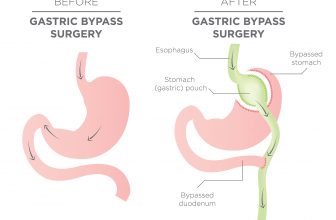
Gastric bypass may raise additional concerns about marginal ulcers and other longer-term complications involving the connection between the stomach and small intestine. This is one reason some guidance is particularly cautious about nicotine after Roux-en-Y gastric bypass. The surgeon should explain the risks relevant to the procedure recommended for you rather than relying on general advice from the internet.
Can surgery be postponed if I am still using nicotine?
Yes. If you have not met the clinic’s nicotine-free requirement, the surgeon may recommend postponing the operation. Postponement can allow time for cessation and for the team to reduce avoidable risks. It does not necessarily mean that bariatric surgery will never be possible.
If the procedure is postponed, ask for a clear plan covering the required abstinence period, whether repeat testing is needed, how to access cessation support and when suitability will be reviewed. Do not make new travel arrangements until the clinic confirms that you meet its requirements.
Frequently asked questions
Can I have bariatric surgery if I smoke only occasionally?
Occasional smoking can still be relevant. Some studies and clinical pathways consider tobacco use within a recent period important rather than limiting concern to heavy daily smoking. Tell the surgeon about all use so the team can apply its policy correctly.
Can I vape while waiting for surgery?
Ask the clinic, but vaping should not be assumed to be safe. Because direct bariatric evidence is limited and vaping may involve nicotine exposure, many programmes may recommend stopping it before surgery.
Can I use nicotine patches to help me stop?
Possibly, but only after discussing the option with your doctor and bariatric team. Some guidelines recognise nicotine-replacement therapy as part of a cessation intervention, while individual programmes may require complete absence of nicotine-containing products.
When can I smoke after bariatric surgery?
Do not restart smoking or nicotine use after surgery without explicit medical advice. Continued abstinence is important because postoperative and longer-term complications may remain relevant after discharge. Your surgeon should provide personalised guidance.
Key points for international patients
- Smoking is not always an automatic contraindication, but it can increase bariatric surgical risks.
- Vaping should not be treated as a proven safe substitute for smoking.
- Many programmes recommend stopping tobacco at least four to six weeks before surgery, while some require longer.
- Nicotine testing and nicotine-replacement rules differ between clinics and surgeons.
- Ask about cigarettes, vaping, nicotine-replacement therapy and testing before booking travel.
At Estexper Clinic, prospective patients should provide an honest medical and nicotine history during the consultation so the clinical team can explain the relevant requirements. The safest plan is one based on the planned procedure, health status and the clinic’s current protocol.
Medical References
- Smoking in bariatric surgery: a systematic review — Surgical Endoscopy; PubMed.
- Intersection of smoking, e-cigarette use, obesity, and metabolic and bariatric surgery: a systematic review of the current state of evidence — Journal of Addictive Diseases; PubMed.
- Guidelines for Perioperative Care in Bariatric Surgery: Enhanced Recovery After Surgery (ERAS) Society Recommendations: A 2021 Update — ERAS Society.
- American Society for Metabolic and Bariatric Surgery: Preoperative Care Pathway for Laparoscopic Roux-en-Y Gastric Bypass — American Society for Metabolic and Bariatric Surgery.
- Tobacco and postsurgical outcomes — World Health Organization, World Federation of Societies of Anaesthesiologists and University of Newcastle.
- Roux-en-Y gastric bypass: the impact of tobacco nicotine, nontobacco nicotine, and marijuana use on postoperative outcomes — Surgery for Obesity and Related Diseases; PubMed.