Written by: Estexper Medical Editorial Team
Medically reviewed by: Yahya Ozel, MD
Feeling full after only a few bites is often an expected effect of bariatric surgery. However, food that repeatedly feels stuck, worsening swallowing difficulty, vomiting, or trouble drinking fluids should not automatically be dismissed as a normal part of recovery.
In Short
- Early fullness can occur because bariatric surgery reduces stomach or pouch capacity and changes digestion.
- Food may feel stuck when portions are too large, food is eaten quickly, or it is not chewed thoroughly.
- Persistent or worsening symptoms can also be caused by a narrowing, ulceration, inflammation, food impaction, obstruction, or a swallowing-motility problem.
- Seek prompt medical assessment for recurrent vomiting, progressive swallowing difficulty, or difficulty maintaining fluid intake; seek urgent care for severe pain, bleeding, dehydration, or inability to keep liquids down.
Why does fullness happen after bariatric surgery?
Bariatric procedures reduce the amount of food the stomach or gastric pouch can comfortably hold and may change the speed or pattern of gastric emptying. As a result, early satiety, pressure, and fullness after a small amount of food can be expected, especially while you are learning new eating habits.
The feeling of fullness may be stronger if you:
- Eat a portion that is larger than your current tolerance
- Take large bites or swallow food without chewing it thoroughly
- Eat too quickly
- Drink with meals when this is not part of your prescribed eating plan
- Choose food with a texture that is difficult for you to tolerate
Food intolerance after bariatric surgery varies between individuals and can differ according to the type of operation and stage of recovery. A recent narrative review described mechanical restriction, altered gastric emptying, hormonal changes, and food-specific intolerance as possible contributors. Red meat is frequently reported as difficult to tolerate, while intolerance to water is more often described soon after sleeve gastrectomy. These patterns are not universal, so symptoms should be considered in the context of your procedure and recovery.
Why might food feel stuck after bariatric surgery?
The phrase “food getting stuck” can describe several sensations. Some people feel pressure behind the breastbone or in the upper abdomen. Others experience discomfort when swallowing, regurgitation, nausea, or difficulty moving food or liquid onwards. The cause may relate to eating technique, food texture, or a medical problem.
Eating too quickly or not chewing enough
After surgery, the stomach or pouch has less capacity and may not accommodate large pieces of food comfortably. Eating rapidly or taking large bites can create pressure and discomfort before food passes through. Thorough chewing and slower meals may reduce this problem, but eating technique should not be assumed to be the cause when symptoms continue.
Food-specific intolerance
Some foods may feel heavy, dry, fibrous, or difficult to pass. Individual tolerance can change during recovery. A food that causes occasional discomfort does not necessarily mean that a complication is present, but repeatedly avoiding many foods can affect nutritional intake. Discuss ongoing intolerance with your bariatric team or a qualified dietitian familiar with bariatric aftercare.
Anastomotic stricture or sleeve stenosis
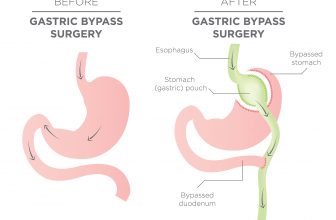
After Roux-en-Y gastric bypass, a narrowing at the connection between parts of the digestive tract is called an anastomotic stricture. It may cause progressive difficulty with solid foods, early satiety, nausea, vomiting, reflux, or pain after eating. After sleeve gastrectomy, sleeve stenosis may cause similar symptoms.
These problems require medical assessment. Upper endoscopy is commonly used to examine the area and help guide treatment planning. The timing and treatment depend on the operation, severity of symptoms, and clinical findings.
Marginal ulceration or inflammation
A marginal ulcer can develop near the connection created during gastric bypass. Inflammation or ulceration may cause pain, nausea, reflux, vomiting, or difficulty tolerating food. An endoscopic examination may be needed to identify this type of problem and distinguish it from a narrowing or retained food.
Reflux-related inflammation
Reflux and inflammation may make swallowing uncomfortable and can contribute to a sensation of food sticking. The significance of reflux after surgery depends on the procedure and the individual symptoms. Persistent reflux, swallowing difficulty, or repeated vomiting should be medically reviewed rather than managed only by changing foods.
Food impaction or obstruction
A piece of food can occasionally become impacted, or a blockage may develop in the digestive tract. Persistent inability to swallow, repeated vomiting, worsening pain, or inability to keep fluids down can indicate a more serious problem and require prompt medical attention.
Oesophageal motility disorders
In longer-term follow-up, dysphagia may sometimes relate to how the oesophagus moves food rather than only to the stomach or surgical connection. In a specialised referral study of post-bariatric patients, some people with dysphagia were found to have achalasia or post-obesity surgery oesophageal dysfunction on motility testing. The study population was not representative of all bariatric patients, so its findings should not be interpreted as a general prevalence estimate.
When is fullness or food sticking a warning sign?
Mild fullness after a small meal may be expected, particularly when it improves after stopping the meal and following the eating instructions provided by your clinical team. Contact your bariatric surgeon, clinic, or another qualified physician if symptoms are persistent, recurrent, or becoming progressively worse.
Arrange prompt clinical assessment if you have:
- Repeated difficulty swallowing food or liquids
- Food that repeatedly feels stuck
- Recurrent nausea or vomiting
- Progressively worsening tolerance of solid foods
- Persistent reflux or pain after meals
- Difficulty maintaining adequate fluid intake
Seek urgent medical care if you cannot keep liquids down, have severe or worsening abdominal or chest pain, have bleeding, develop repeated vomiting, or have signs of dehydration. Do not continue eating to try to push food through. Do not delay urgent care because you are away from the clinic where your surgery was performed.
What should I do if food feels stuck?
If the sensation is mild and resolves quickly, stop eating and follow the instructions provided after your operation. Once symptoms have settled, note which food caused the problem, how quickly you ate, the portion size, and whether you experienced pain, nausea, vomiting, or reflux.
For future meals, your post-operative plan may include:
- Taking small bites
- Chewing thoroughly until food is soft
- Eating slowly and allowing enough time for the meal
- Following the texture and portion stages recommended by your bariatric team
- Introducing potentially difficult foods carefully rather than forcing them
These measures can help when symptoms are caused by eating mechanics, but they are not a substitute for evaluation. Persistent dysphagia, vomiting, or fluid intolerance should not automatically be attributed to poor chewing or eating too fast.
How are food-sticking symptoms investigated?
Assessment usually includes a review of your surgery, when it was performed, the pattern of symptoms, food and fluid tolerance, weight changes, medicines, and any associated pain or bleeding. The type of bariatric procedure is important because possible complications differ between sleeve gastrectomy and gastric bypass.
Depending on the symptoms, a physician may recommend an upper endoscopy. This allows the doctor to examine the oesophagus, stomach or pouch, and surgical connections for narrowing, inflammation, ulceration, retained food, or other abnormalities. Endoscopy may also help determine whether a narrowing requires treatment.
Contrast imaging may be considered when the clinical team needs to assess how liquid or contrast passes through the altered digestive tract. If obstruction is suspected, assessment may be urgent. When symptoms continue despite no obvious blockage, or when a motility problem is suspected, oesophageal motility testing may be appropriate.
The correct investigation cannot be chosen safely from symptoms alone. It should be determined by a qualified physician who understands your operation and current condition.
What should international patients do after surgery in Turkey?
Patients travelling internationally for bariatric surgery should ask for a written operative report, discharge summary, medication list, dietary instructions, and follow-up contact details before returning home. Keep these documents available if you need to consult a local doctor.
If you develop food-sticking symptoms after returning home, contact the clinic that performed your surgery and arrange local medical assessment if advised. Do not delay urgent care because your operating team is in another country. A physician may need to assess hydration and arrange imaging or endoscopy when clinically appropriate.
Individual suitability for any investigation or treatment must be determined by a qualified physician. The appropriate plan depends on the type of surgery, the time since the operation, your symptoms, examination findings, and your general health.
Can food intolerance be prevented?
Not all food intolerance can be prevented. It may be influenced by the operation, changes in digestion, food texture, individual healing, and other patient factors. Following the dietary stages and eating instructions provided by your bariatric team may reduce avoidable discomfort, but it cannot eliminate the possibility of a stricture, ulcer, obstruction, or motility disorder.
Try not to permanently remove multiple food groups without professional guidance. If a food repeatedly causes symptoms, record it and discuss suitable alternatives with your bariatric team or dietitian. Maintaining adequate nutrition and hydration is an important part of recovery, particularly when several foods or liquids are difficult to tolerate.
Frequently asked questions
Is feeling full quickly normal after bariatric surgery?
Yes, early satiety is often expected because the stomach or pouch has a smaller capacity and digestion may be altered. Fullness that is severe, progressive, painful, or associated with vomiting or swallowing difficulty requires medical review.
Why does meat feel stuck after bariatric surgery?
Red meat is frequently reported as difficult to tolerate after bariatric surgery. Large, dry, or poorly chewed pieces may be particularly uncomfortable. However, repeated difficulty with meat or other solid foods can also occur with a narrowing or another complication, so persistent symptoms should be assessed.
Can drinking water feel difficult after a sleeve gastrectomy?
Water intolerance has been described more often during the early period after sleeve gastrectomy, but experiences vary. If you cannot drink enough to stay hydrated, or if fluids repeatedly cause pain or vomiting, contact your clinical team promptly.
Will eating more slowly always solve the problem?
Slower eating, smaller bites, and thorough chewing may help when discomfort is caused by meal size or eating technique. They will not correct a stricture, ulcer, obstruction, or oesophageal motility disorder. Ongoing or worsening symptoms need professional evaluation.
Medical References
- Food Intolerance After Bariatric Surgery: A Narrative Review of Prevalence, Mechanisms, and Dietary Management — Nutrients / PubMed.
- Complications of Metabolic and Bariatric Surgery for the Gastroenterologist: A Comprehensive Review — Gastroenterology & Hepatology / PubMed Central.
- Postobesity Surgery Esophageal Dysfunction: A Combined Cross-Sectional Prevalence Study and Retrospective Analysis — American Journal of Gastroenterology / PubMed.
- Complications of weight loss surgery — NHS.
- Life after a Gastric Bypass/Sleeve Gastrectomy — University College London Hospitals NHS Foundation Trust.
Important: This article is for general information and does not replace an examination or personalised medical advice. Contact your bariatric team or a qualified physician about persistent symptoms, and seek urgent care for severe pain, bleeding, dehydration, repeated vomiting, or inability to keep fluids down.