Medical review: Estexper Medical Editorial Team
Choosing a hair transplant clinic in Turkey requires more than comparing package prices or reviewing photographs on a marketing website. Before paying a deposit, international patients should independently confirm that the proposed facility is authorized, that the physician is appropriately qualified and involved, and that the people performing each stage of treatment are clearly identified.
In Short
- Verify the exact legal name and address of the treatment facility through Turkish Ministry of Health information before paying a deposit.
- Confirm the named physician’s identity, qualifications and role, and ask who will perform extraction, channel opening and implantation.
- Get written information about the treatment plan, risks, deposit terms, medical records and follow-up if concerns arise after travel.
- Do not rely on marketing claims, online reviews or accreditation alone as proof of an appropriate individual provider or outcome.
Verification is also an opportunity to understand how your suitability will be assessed, how risks will be managed and what support will be available after you return home. A clinic’s online presence, a medical-tourism intermediary or an accreditation claim can provide useful information, but none of these alone proves that a particular procedure will be safe or produce a specific cosmetic result.
This guide explains the main checks to complete before committing financially to hair transplantation in Turkey.
Why clinic verification matters
Hair transplantation is generally considered a relatively safe elective procedure, but it is still a medical and surgical treatment. Reported complications include pain, swelling, bleeding, infection, folliculitis, scarring, persistent numbness and graft failure. Rare serious complications have also been described. The likelihood and type of complication can vary according to the patient, the treatment plan, the facility, the personnel and the quality of care.
Thorough verification can help you distinguish a properly organized healthcare service from a sales-led arrangement in which the operating team is unclear. It can also help you identify whether the advertised clinic is the actual healthcare facility where treatment will take place.
1. Check the clinic against official Turkish records
Start by checking the proposed healthcare provider through the Republic of Türkiye Ministry of Health’s official information for authorized healthcare providers. Do not rely only on a clinic’s website, social media profile, online reviews or a medical-tourism agency’s statement that the clinic is licensed.
Ask for the exact legal name and full address of the facility where your procedure will be performed. Then compare those details with the Ministry’s records. If the provider is listed under a different legal name from the brand used in advertising, ask the clinic to explain the relationship in writing.
Turkey’s rules require hair-transplant services to operate within an authorized healthcare facility with the relevant Ministry-approved activity permit. Where applicable, also ask whether the facility is included in the official registry or documentation for authorized hair-transplant units. Confirm that any listing or permit is current and applies to the exact location you will visit.
Be cautious if a clinic avoids giving its legal name, gives only a hotel or office address, or asks you to send a deposit before providing facility details. A clinic brand and a healthcare facility are not necessarily the same thing.
2. Confirm the named physician’s identity and qualifications
You should know which physician is medically responsible for your care before making a payment. Request the doctor’s full name, professional role, license information and relevant training or experience in hair restoration. You can then seek independent confirmation through appropriate official or professional sources.
The consultation should involve an appropriately qualified physician who assesses your medical history, hair loss pattern, donor area and expectations. Individual suitability for hair transplantation should be determined by a qualified physician rather than by a salesperson or solely through photographs exchanged online.
Ask specifically:
- Who will examine me and approve the treatment plan?
- Who will perform or directly supervise the procedure?
- Will the named physician be present at the facility on the treatment day?
- How much experience does the physician have with hair transplantation?
- Who will be responsible if a complication occurs?
The International Society of Hair Restoration Surgery warns that substantial hair-restoration procedures performed by unlicensed or inadequately trained technicians can create risks, including misdiagnosis, missed underlying conditions, inappropriate surgery and poor outcomes. A clinic should therefore be able to explain the physician’s direct involvement instead of presenting the doctor only as a name on a website.
3. Identify every person who will perform each stage
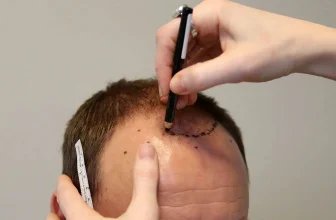
Hair transplantation involves several distinct stages, commonly including examination and planning, extraction, channel opening and implantation. Before paying a deposit, ask for the names and professional roles of everyone expected to participate in your procedure.
Turkey’s hair-transplant-unit regulation states that only certified physicians may perform the channel-opening stage. Certified non-physician health professionals may assist under the supervision and responsibility of a certified physician. This makes it important to ask not only who owns or manages the clinic, but who will actually perform each part of the treatment.
Request clear written answers to the following:
- Who will mark the hairline and finalize the treatment design?
- Who will extract the grafts?
- Who will open the channels?
- Who will place the grafts?
- Which tasks will be performed by technicians or other health professionals?
- What level of physician supervision will be present during the procedure?
If the clinic will not identify the operating team in advance, or if the information changes after you arrive, consider postponing the procedure until the situation is clear. Consent should be based on accurate information about who will provide your care.
4. Verify the actual facility and its standards
Ask where the procedure will take place and whether it is the same facility named in your treatment agreement. A consultation office, hotel room or administrative office is not proof that the surgery will occur in an authorized healthcare setting.
Under Turkey’s hair-transplant-unit regulation, authorized units are expected to meet requirements related to physical conditions, sterilization, emergency equipment, patient records, informed consent and inspection. You may ask the clinic how it maintains infection-control procedures, handles emergencies and records the details of each procedure.
You do not need to rely on general assurances such as state-of-the-art or hospital standard. Ask for specific information about the facility’s authorization, the location of the treatment room, the availability of emergency equipment and the process for obtaining your medical records.
Accreditation can support your assessment when it is genuine, current and applies to the exact facility. However, accreditation or inclusion on an official list does not guarantee the competence of every individual involved, a complication-free procedure or a satisfactory cosmetic result.
5. Review the consultation and treatment plan
A responsible consultation should address more than the number of grafts or the appearance of a proposed hairline. The physician should consider your diagnosis, the stability and pattern of hair loss, the condition of the donor area, your expectations and whether surgery is appropriate for you.
Ask for a written plan that explains the proposed procedure, the physician’s role, the expected number or range of grafts if clinically appropriate, the limitations of the result and the possibility that further treatment may be considered in the future. Avoid clinics that make absolute promises or guarantee a particular density, hairline or final result.
Your consultation should include an opportunity to disclose medical conditions, medications, allergies, previous procedures and any history that may affect treatment. If the clinic makes a decision solely from a few photographs without an adequate medical assessment, ask how the physician will evaluate your suitability in person.
6. Understand the consent process before paying
Informed consent should not be treated as a formality completed immediately before the procedure. You should receive understandable information about what will happen, who will perform each stage, possible complications, expected recovery and alternatives to proceeding.
Ask whether consent documents will be available in English or another language you understand. They should identify the healthcare provider and explain the planned treatment. You should have enough time to ask questions and decide voluntarily, without pressure to pay immediately because of a limited-time offer.
Be particularly cautious about statements that there is no risk. Published reviews have documented complications ranging from temporary discomfort and swelling to infection, bleeding, folliculitis, scarring, numbness and graft failure, with rare serious complications also reported. A clinic should discuss risk honestly rather than presenting surgery as guaranteed or risk-free.
7. Clarify the deposit, cancellation and package terms
Before transferring money, request a written quotation and treatment agreement. Confirm what the deposit secures, whether it is refundable, what happens if the physician later decides that surgery is unsuitable, and what happens if the clinic changes the operating team or facility.
Ask which services are included and which are excluded. Package arrangements may combine medical treatment with transportation or accommodation, but these non-medical services do not replace clinical verification. Make sure the medical provider, procedure, facility and responsible physician are clearly identified in the documents.
Use a payment method that provides a transaction record and keep copies of invoices, correspondence, consent documents, the treatment plan and any information supplied about the facility or staff. If payment is requested to an account that does not clearly belong to the named healthcare provider, ask for a written explanation before proceeding.
8. Plan for complications and follow-up care
International patients should ask what happens if a problem develops during the trip or after returning home. The clinic should explain how urgent concerns are handled, who can be contacted outside normal appointment times and whether a physician will review your recovery.
Before travel, discuss follow-up arrangements with both the Turkish provider and a healthcare professional in your home country when appropriate. Ask how you will receive medical advice if you cannot return to Turkey. The Centers for Disease Control and Prevention recommends planning for complications, checking relevant insurance coverage and arranging follow-up care before traveling for medical treatment.
Also ask how you will obtain your complete medical record. This may include the physician’s assessment, consent documents, procedure details, medications or aftercare instructions and information about any complication. Request the records in English or another language that you and your local healthcare professional can use.
9. Evaluate communication and warning signs
Communication before treatment can reveal how the clinic approaches patient safety. A trustworthy provider should answer reasonable questions directly and consistently. Marketing staff may help with logistics, but they should not replace a physician’s assessment or give definitive medical advice outside their role.
Warning signs include pressure to pay immediately, unusually vague answers about the surgeon, refusal to identify technicians, promises of zero risk, guaranteed results, inconsistent facility names, a plan based only on photographs, or a reluctance to provide written terms. A low price by itself does not prove poor quality, but price should never be the main reason to overlook unanswered safety questions.
Verification checklist before you pay
Before paying a deposit, make sure you can answer yes to the following:
- Have I checked the exact facility against official Turkish Ministry of Health information?
- Do I know the legal name and address of the healthcare provider?
- Have I verified the identity, license and relevant qualifications of the physician?
- Do I know who will perform extraction, channel opening and implantation?
- Has a qualified physician assessed my individual suitability?
- Have I received clear information about risks, limitations and expected follow-up?
- Are the deposit, cancellation and package terms documented?
- Do I know how complications will be handled during and after my trip?
- Will I receive complete procedure records in a usable language?
If important answers remain unclear, delay the payment and seek independent medical advice. Taking more time to verify the provider is preferable to making a rushed decision that may be difficult to change after you travel.
Explore our Hair Transplant services in Turkey for an overview of treatment options and individual assessment.
TREATMENT OPTIONS
Explore Your Treatment Options
Find out more about our services and discuss which options may suit your individual needs.
YOUR NEXT STEP
Discuss Your Questions With Our Team
Request an individual assessment or ask our team about treatment planning and follow-up arrangements.
Medical References
- Healthcare Providers Authorized by the Ministry — Republic of Türkiye Ministry of Health, Health Tourism Department.
- Regulation on Hair Transplantation Units — Republic of Türkiye Ministry of Health.
- Consumer Advocacy: Seeking Hair Restoration Surgery? — International Society of Hair Restoration Surgery.
- Medical Tourism — Centers for Disease Control and Prevention, CDC Yellow Book.
- A Scoping Review on Complications in Modern Hair Transplantation: More than Just Splitting Hairs — Aesthetic Plastic Surgery, indexed in PubMed.
- Medical Tourism — American Medical Association, Code of Medical Ethics.