Medical review: Estexper Medical Editorial Team
Hair loss is one of the most visible effects of some cancer treatments. For many people, hair begins to grow back after treatment finishes. However, regrowth may be incomplete, uneven or permanently reduced, particularly after certain chemotherapy regimens, high-dose treatment, stem-cell transplantation or radiotherapy involving the scalp.
In Short
A hair transplant after chemotherapy may be possible for selected cancer survivors, but it should not be considered during active chemotherapy. It is generally assessed after treatment is complete, natural regrowth has had time to stabilize and the oncology and hair-restoration teams have reviewed the patient’s health, scalp and donor hair. There is no universal waiting period, and evidence specifically for transplantation after chemotherapy remains limited.
This can lead cancer survivors to ask whether a hair transplant is possible. In selected cases, hair restoration may be considered, but it is not an automatic or immediate option. A hair transplant after chemotherapy requires careful coordination between the patient, oncology team and a qualified hair-restoration surgeon or dermatologist.
At Estexper Clinic, consultations for international patients should begin with a review of medical history, cancer treatment details, current health and the pattern of hair loss. The purpose is to determine whether transplantation is medically appropriate, whether the donor area is adequate and whether another approach may be more suitable.
Is a Hair Transplant Possible After Chemotherapy?
Possibly, but only after cancer treatment has been completed and the patient has recovered sufficiently. Hair transplantation is not recommended during active chemotherapy. Chemotherapy can affect hair follicles and the scalp, and treatment-related immune suppression or abnormal blood counts may raise additional surgical concerns.
Most chemotherapy-related hair loss is temporary. According to the National Cancer Institute, hair commonly begins to grow back approximately two to three months after chemotherapy ends, although the timing varies. New hair may initially have a different texture or colour. Because regrowth can continue and change, it is usually important to wait until the pattern has stabilized before considering surgery.
There is no single waiting period that applies to every cancer survivor. The appropriate timing depends on the type and intensity of treatment, the patient’s cancer status, blood-count and immune recovery, scalp condition and whether further treatment is planned. Memorial Sloan Kettering Cancer Center advises waiting until chemotherapy is complete and hair has grown back before considering hair transplantation.
Why Can Hair Loss Persist After Cancer Treatment?
Persistent chemotherapy-induced alopecia is generally considered when hair regrowth remains incomplete for at least six months after chemotherapy. It has been reported particularly after taxane-based chemotherapy, cyclophosphamide-containing regimens, high-dose chemotherapy and conditioning treatment used before hematopoietic stem-cell transplantation.
Radiotherapy can cause a related but distinct type of hair loss. Radiation-induced alopecia may be temporary or permanent, depending partly on the treatment area and the effect on the scalp tissues. Hair transplantation has been reported to help selected patients with persistent radiation-induced alopecia, but outcomes depend heavily on the quality of the skin and underlying tissue.
Not every area of reduced density is suitable for transplantation. A specialist must establish whether the hair loss is stable, whether the follicles appear to have been permanently affected and whether the scalp can support healing and hair growth.
Who May Be a Candidate?
A person may be considered for hair transplantation after cancer treatment when several factors are favourable:
- Cancer treatment is complete: The patient should not be receiving active chemotherapy, and any planned treatment should be discussed with the oncology team.
- Medical recovery is satisfactory: The oncology team should assess recovery from immunosuppression, abnormal blood counts or other treatment-related problems.
- Hair loss is stable: Ongoing spontaneous regrowth can make it difficult to predict the final pattern and plan a natural result.
- The scalp is healthy enough: The skin should be examined for scarring, inflammation, fragile tissue or radiation-related damage.
- There is sufficient donor hair: Hair follicles must be available in a suitable donor area. The density and quality of this hair affect what can realistically be achieved.
- The cause and pattern are understood: Persistent chemotherapy-induced alopecia, radiation-related loss and other forms of hair loss may require different approaches.
Suitability must be determined individually by a qualified physician. A previous cancer diagnosis does not automatically rule out transplantation, but it does make careful assessment particularly important.
What Should Be Checked Before Surgery?
Oncology and cancer status
The hair-restoration team should understand the cancer diagnosis, treatment history, current disease status and any continuing medication or follow-up plan. Written information from the oncology team may be useful, especially for international patients travelling to Turkey for consultation or treatment.
Patients should not assume that a cosmetic procedure is appropriate simply because chemotherapy has ended. The oncology team should confirm that the timing does not interfere with cancer care and that the patient’s general recovery is satisfactory.
Hair and scalp examination
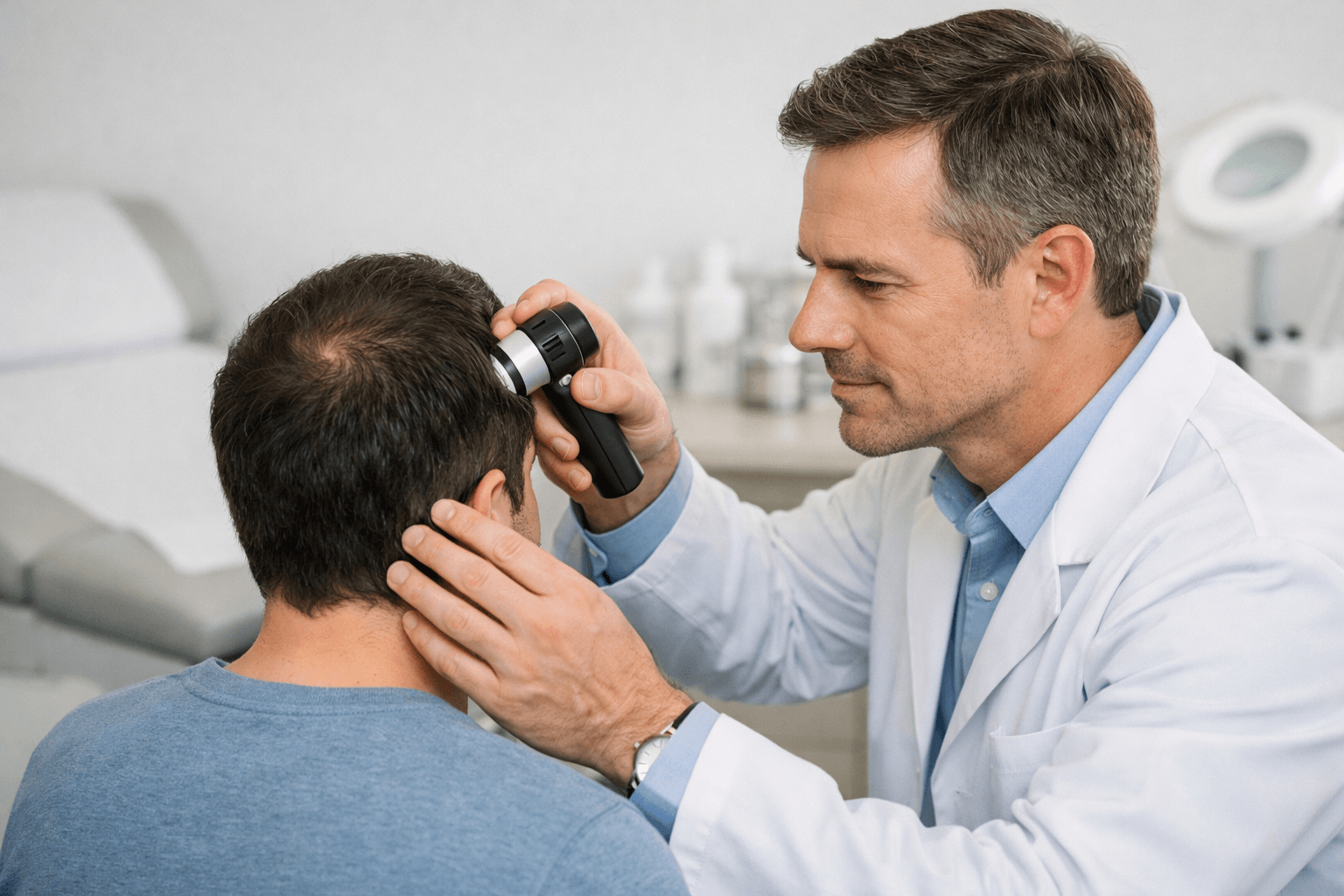
The consultation should assess the degree and distribution of hair loss, the stability of regrowth, donor density and scalp condition. If radiotherapy involved hair-bearing scalp tissue, the examination is especially important because radiation can affect tissue quality and healing potential.
Clinical assessment may include photographs, scalp examination and other evaluations when appropriate. The purpose is to distinguish permanent follicle loss from hair that may still recover naturally and to decide whether transplantation can provide meaningful coverage.
Medical records and treatment details
International patients should provide details of chemotherapy drugs, treatment dates, radiotherapy fields and doses when available, stem-cell transplantation history, current medication and recent oncology assessments. These records help the consulting physicians make a safer and more realistic recommendation.
How Is the Procedure Planned?
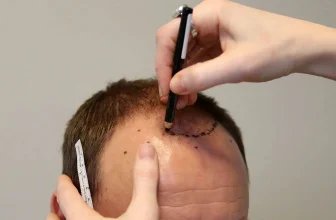
If transplantation is considered appropriate, the surgeon evaluates the donor area and designs a plan based on the patient’s existing hair pattern and available follicles. The objective is to use donor hair carefully and create a natural-looking distribution rather than promise complete restoration.
Hair transplantation involves moving follicles from a donor area to areas with reduced or absent growth. The exact technique and surgical plan should be selected by the treating physician after examining the scalp. A cancer survivor may require a more conservative plan if donor density is limited or if the scalp has been affected by radiotherapy.
Patients should understand that evidence specifically supporting transplantation after chemotherapy is limited. Published information consists mainly of case reports, case series and expert opinion rather than large controlled clinical trials. For this reason, a consultation should include a discussion of uncertainty, realistic expectations and possible alternatives.
What About Radiation-Induced Hair Loss?
Radiation-induced alopecia is not identical to chemotherapy-induced alopecia. Some patients with persistent hair loss after cranial or scalp radiotherapy have benefited from hair transplantation, but results vary. The radiation dose, treatment location, amount of scarring and condition of the scalp tissue can all influence the outcome.
Scalp tissue that is severely damaged, scarred or poorly vascularized may be less suitable for surgery. A specialist may decide that transplantation should be avoided, delayed or approached cautiously. The available evidence is also limited and heterogeneous, with no universally standardized guideline for every radiation-related case.
Recovery and Aftercare
Recovery after hair transplantation should be discussed in the context of the patient’s previous cancer treatment. The surgeon will provide instructions for washing, protecting the scalp and attending follow-up appointments. Patients should report unexpected pain, significant swelling, bleeding, inflammation or other concerning symptoms promptly.
Newly transplanted hair does not provide an immediate cosmetic change. The appearance can evolve over time, and the final assessment should be made according to the surgeon’s guidance. Patients who have undergone previous radiotherapy or intensive treatment may need particularly careful monitoring of scalp healing.
Follow-up should involve the hair-restoration team and, where appropriate, the oncology team. Patients travelling from abroad should plan enough time for the initial consultation, procedure if recommended and early postoperative review. They should also know how to contact the clinic after returning home.
Possible Risks and Limitations
As with any surgical procedure, hair transplantation can involve risks such as bleeding, infection, inflammation, scarring or an unsatisfactory cosmetic result. The specific risks may be more difficult to predict when previous chemotherapy, stem-cell transplantation or radiotherapy has affected the scalp or general health.
Other limitations include inadequate donor hair, continued changes in native hair density and the possibility that transplanted follicles may not produce the hoped-for coverage. There is no guarantee that transplantation will restore the hair density a person had before cancer treatment.
Because direct research on post-chemotherapy transplantation is sparse, patients should be cautious about claims of guaranteed regrowth or fixed success rates. A responsible plan should explain what is known, what remains uncertain and what outcome is realistically achievable.
Are There Alternatives to Hair Transplantation?
Before surgery, a physician may discuss whether the hair is still likely to recover naturally or whether medical treatment could be appropriate. Topical or low-dose oral minoxidil may be considered in selected patients, but suitability depends on the individual’s health, medications and cancer-treatment history. These treatments should only be started after discussion with a qualified physician.
Some patients may prefer to wait and monitor regrowth, particularly when treatment ended recently or the hair pattern is still changing. The best option depends on the cause of hair loss, the patient’s goals, scalp health and donor-hair availability.
Questions to Ask During a Consultation
- Has my hair loss become stable enough to assess?
- Could my hair still regrow naturally?
- Is my scalp healthy enough for transplantation?
- Does my donor area contain enough suitable hair?
- Should my oncology team provide medical clearance or treatment records?
- Could my previous radiotherapy or chemotherapy affect healing?
- What result is realistically possible in my case?
- Are non-surgical options appropriate for me?
- What follow-up will be available if I travel internationally for treatment?
Key Takeaway
A hair transplant after chemotherapy may be possible for carefully selected cancer survivors, especially when treatment is complete, hair loss has stabilized, medical recovery is satisfactory and the scalp and donor area are suitable. However, most treatment-related hair loss is temporary, and it is important not to consider surgery before natural regrowth has had time to develop.
The evidence for transplantation after chemotherapy remains limited, so decisions should be individualized rather than based on promises or a universal timetable. At Estexper Clinic, patients considering treatment in Turkey should arrange a detailed assessment involving appropriate medical records and coordination with their oncology and hair-restoration teams.
Explore our Hair Transplant services in Turkey for an overview of treatment options and individual assessment.
TREATMENT OPTIONS
Explore Your Treatment Options
Find out more about our services and discuss which options may suit your individual needs.
YOUR NEXT STEP
Discuss Your Questions With Our Team
Request an individual assessment or ask our team about treatment planning and follow-up arrangements.
Medical References
- Hair Loss (Alopecia) and Cancer Treatment — National Cancer Institute.
- Hair Loss and Your Cancer Treatment — Memorial Sloan Kettering Cancer Center.
- Persistent chemotherapy-induced alopecia, persistent radiotherapy-induced alopecia, and hair growth disorders related to endocrine therapy or cancer surgery — Journal of the American Academy of Dermatology; National Institutes of Health PMC.
- Expert consensus for prevention, diagnosis and management of persistent chemotherapy-induced alopecia — European Academy of Dermatology and Venereology.
- Assessment and Treatment Outcomes of Persistent Radiation-Induced Alopecia in Patients With Cancer — JAMA Dermatology.
- Radiation-induced alopecia: A scoping review — PubMed.