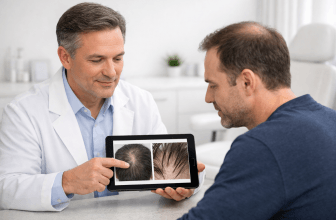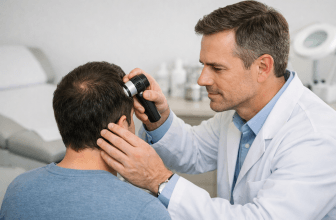
Understanding the hair transplant recovery timeline can help you plan treatment, travel and daily activities with greater confidence. Many patients want to know when they can wash their hair, sleep normally, exercise or return to work after transplantation.
There is no single recovery schedule that applies to every patient. Healing may vary according to the technique used, the number of grafts, the condition of the donor and recipient areas, postoperative swelling, your general healing response and the instructions provided by your surgeon. Follicular unit extraction (FUE), follicular unit transplantation (FUT) and other approaches may also involve different aftercare protocols.
The guidance below describes commonly used recovery ranges. Your treating physician’s written instructions should always take priority, particularly if they differ from general advice.
Hair Transplant Recovery Timeline at a Glance
- First 1–2 days: Protect the grafts, follow the clinic’s instructions and avoid touching or rubbing the scalp unnecessarily.
- About 2 days onward: Gentle washing may commonly begin, although some clinics advise waiting 2–4 days before the first wash.
- First several days: Desk-based work and light routine activities may be possible if symptoms are manageable.
- First 1–2 weeks: Hair care is gradually progressed from a no-contact or very gentle wash to more normal washing.
- Around 3 weeks: Strenuous exercise and contact sports are commonly restricted until at least this point, subject to surgical approval.
- Following weeks: Redness, crusting, tenderness or temporary shedding may gradually settle, but the visible recovery process varies between patients.
When Can You Wash Your Hair After a Hair Transplant?
Gentle hair washing may commonly begin within approximately two days after transplantation. However, published and clinical recommendations vary, and some postoperative instructions advise waiting between two and four days before the first wash. The correct timing depends on the surgeon’s technique, the stability of the grafts and the products or method recommended by your clinic.
The initial wash is usually intended to clean the scalp without disturbing newly placed grafts. A typical approach may include applying water gently, avoiding direct high-pressure spray, using the recommended shampoo or cleansing product and allowing the scalp to dry without vigorous rubbing. Do not scratch, pick crusts or pull at grafts unless your clinical team specifically instructs you to do so.
How washing usually progresses
The 2023 international expert consensus on hair transplantation recommends a gradual return to normal hair care over approximately two weeks. Early washing may involve little or no contact with the recipient area. As healing progresses, the clinic may permit increasingly normal washing techniques.
During the first days, avoid directing pressurized water directly onto the recipient area. Avoid vigorous massage, fingernails, rubbing with a towel and products that have not been approved by your surgeon. Brushing or combing may also need to be delayed or modified, especially over the transplanted region.
Because instructions differ, ask your clinic to demonstrate the first-wash technique before leaving Turkey or request written guidance that you can follow at home. International patients should also confirm who to contact if washing causes unexpected bleeding, marked pain or other concerns after returning home.
When Can You Sleep Normally?
Early sleep advice is designed to reduce pressure, rubbing and swelling. Some surgical guidance recommends sleeping with the head slightly elevated, particularly during the early postoperative period. A semi-upright position may help limit contact between the scalp and bedding while also supporting comfort if swelling occurs.
There is not enough high-quality evidence to establish one universal day when every patient can safely return to completely unrestricted sleep positions. Your surgeon may advise you to sleep on your back, keep the head elevated or avoid pressure on the donor or recipient area for a specified period.
Practical sleep precautions
- Use the position and elevation recommended by your clinic.
- Keep bedding clean and avoid rough fabrics that may rub the scalp.
- Try not to sleep directly on the newly transplanted area during the early healing period.
- Avoid scratching the scalp if itching develops; contact the clinic if symptoms are difficult to manage.
- Ask your surgeon when side sleeping, lying flat or using your usual pillow arrangement is appropriate.
Swelling can develop during the first few days and may be noticeable around approximately postoperative day three in some patients. It can be accompanied by tightness or mild discomfort. Worsening or severe symptoms should be reported to the treating team rather than managed by changing your sleeping position alone.
When Can You Return to Work?
Some patients can return to light, desk-based work after several days if pain, swelling and visible crusting are manageable. The timing depends on the extent of the procedure, the number of grafts, the appearance of the scalp and the type of work you do.
People working from home or in a clean, temperature-controlled office may be able to resume duties sooner than those working outdoors, in dusty environments or in hot conditions. Jobs that involve helmets, heavy lifting, frequent bending, sweating or physical contact may require a longer break.
Work planning for international patients
If you are travelling to Turkey for a hair transplant, discuss the recommended observation period and return-to-work plan with your clinic before booking flights. Although some people may feel well enough to travel or work relatively soon, visible redness, crusting or swelling can remain and may be noticeable in professional settings.
Plan enough flexibility for follow-up, unexpected delays and your surgeon’s instructions. If your work is physically demanding, ask specifically when you can resume lifting, prolonged outdoor activity, heat exposure or the use of protective headwear. Individual suitability must be assessed by a qualified physician who knows the details of your procedure.
When Can You Exercise After a Hair Transplant?
Light routine activity may be possible after several days, provided you feel well and your surgeon agrees. Strenuous exercise, heavy exertion and contact sports are commonly deferred for at least three weeks. This restriction is intended to reduce the risk of excessive sweating, friction, increased scalp blood flow, bleeding or accidental trauma to healing areas.
During the restricted period, avoid activities that cause substantial sweating, require repeated bending or place pressure on the scalp. Contact sports and activities where the head could be struck should not be resumed until the clinical team confirms that it is safe.
Returning to exercise gradually
Start only when your surgeon has cleared you and when symptoms such as tenderness or swelling are settling. Increase activity step by step rather than immediately returning to your previous intensity. Stop and contact your clinic if exercise is followed by bleeding, increasing pain, significant swelling or other unusual symptoms.
The exact timetable may differ according to the procedure, graft number, healing progress and the type of exercise. A gentle walk and a demanding workout should not be treated as equivalent activities, so ask for activity-specific advice.
What Is Normal During Early Recovery?
Postoperative recovery may include tenderness, mild swelling, bruising, redness and crusting in the donor or recipient areas. These findings can vary in severity and duration. Temporary shedding of transplanted or surrounding hair may also occur during the recovery process, and the timing of visible hair growth should not be judged during the first few weeks alone.
Do not pick at crusts or assume that a slower-looking recovery means the procedure has failed. Follow-up appointments allow the clinical team to examine healing and advise when normal washing, brushing, exercise and other activities can resume.
Warning Signs: When to Contact Your Clinic
Contact your treating clinical team for assessment if you experience persistent or worsening pain, marked redness, unusual drainage, fever, significant bleeding or other symptoms that concern you. If you cannot reach the clinic and symptoms are severe or rapidly worsening, seek urgent medical attention.
Do not rely on general online timelines to manage a possible complication. Your surgeon or qualified medical team can assess the scalp, review your aftercare and decide whether additional treatment or monitoring is required.
How to Prepare for a Smoother Recovery
- Request written washing, sleeping and exercise instructions before the procedure.
- Ask when the first wash should take place and which products are approved.
- Arrange time away from work according to your occupation, not only the procedure date.
- Plan clean, comfortable clothing that does not need to be pulled tightly over the scalp.
- Discuss travel, follow-up appointments and emergency contact arrangements if you are visiting Turkey from another country.
- Tell the clinic about any concerns before changing the recommended care routine.
Good preparation does not eliminate normal swelling, crusting or redness, but it can make the first days easier to manage. A consultation with a qualified physician is essential to determine whether hair transplantation is suitable for you and what recovery plan matches your procedure.
Why Your Surgeon’s Timeline Matters
Hair transplant aftercare protocols are not identical. The international expert consensus supports individualized care and a gradual return to normal hair care rather than one universal washing date. Factors such as FUE or FUT technique, graft number, recipient-area coverage, donor-area healing and your surgeon’s method can all influence the instructions you receive.
For that reason, general guidance should be used for planning rather than as a substitute for postoperative review. If your surgeon advises a longer period before washing, exercise, work or unrestricted sleeping, follow that advice.
Frequently Asked Questions
Can I wash my hair the day after transplantation?
Some clinics may permit very gentle washing after approximately two days, while first-wash recommendations commonly range from two to four days. Do not wash earlier unless your surgeon specifically instructs you to do so.
When can I wash normally?
Normal washing is usually reintroduced gradually over about two weeks, but the exact progression depends on your healing and the clinic’s protocol. Avoid pressure, rubbing and traction until you receive clearance.
Can I return to work after three days?
Light office work may be possible after several days for some patients. Physical, hot, dusty or outdoor work may require more time, especially if swelling or crusting is visible.
When can I go back to the gym?
Strenuous exercise is commonly restricted for at least three weeks. Your surgeon should confirm when your specific exercise routine can resume.
When can I sleep in my usual position?
There is no single evidence-based date for every patient. Follow your surgeon’s advice about elevation, back sleeping and pressure on the scalp during early healing.
Medical References
- An international expert consensus statement focusing on pre and post hair transplantation care — Hair Transplant Surgery Expert Group; Journal of Dermatological Treatment; PubMed.
- Hair Transplant Recovery — American Society of Plastic Surgeons.
- Hair Cosmetics for the Hair Loss Patient — International Journal of Trichology; PubMed Central.
- Hair Transplantation — StatPearls Publishing; National Center for Biotechnology Information.
- Approach to Hair Transplantation in Advanced Grade Baldness by Follicular Unit Extraction: A Retrospective Analysis of 820 Cases — Journal of Cutaneous and Aesthetic Surgery; PubMed Central.
- Hair Transplant Practice Guidelines — Journal of Cutaneous and Aesthetic Surgery; PubMed Central.