Medical review: Estexper Medical Editorial Team
Hair transplant density is not determined by graft numbers alone. Two patients receiving the same number of grafts may have different visual results because hair-shaft diameter, follicular-unit composition, scalp contrast, recipient-area size and hair direction all influence coverage.
In Short
Thick hair generally creates more apparent coverage per hair than fine hair, while curly or coily hair may appear fuller because it projects and overlaps across the scalp. Fine hair can still achieve a natural-looking result, but donor supply and distribution may limit the density that can be created. A qualified physician should assess the donor area, recipient area, hair caliber, follicular-unit composition and curl pattern before proposing a density plan.
Fine hair, thick hair, straight hair and curly or tightly coiled hair each have characteristics that should be considered before transplantation. A carefully planned procedure aims to use available donor hair efficiently while creating a natural appearance and preserving the long-term appearance of the donor area.
For international patients considering treatment in Turkey, understanding these factors can make consultations more productive. However, suitability and the appropriate density plan should be determined by a qualified physician after examining the scalp and donor area, preferably with trichoscopy.
What Does Hair Transplant Density Mean?
In hair restoration, density refers to the amount of hair present in a particular area and the visual coverage created by that hair. It may be discussed in terms of follicular units, hairs per follicular unit or the overall appearance of the recipient area after transplantation.
A follicular unit is a natural group of hairs that grows together. Some units contain a single hair, while others contain multiple hairs. Therefore, the number of grafts does not automatically equal the number of transplanted hairs. A plan based only on graft count may overlook important differences between patients.
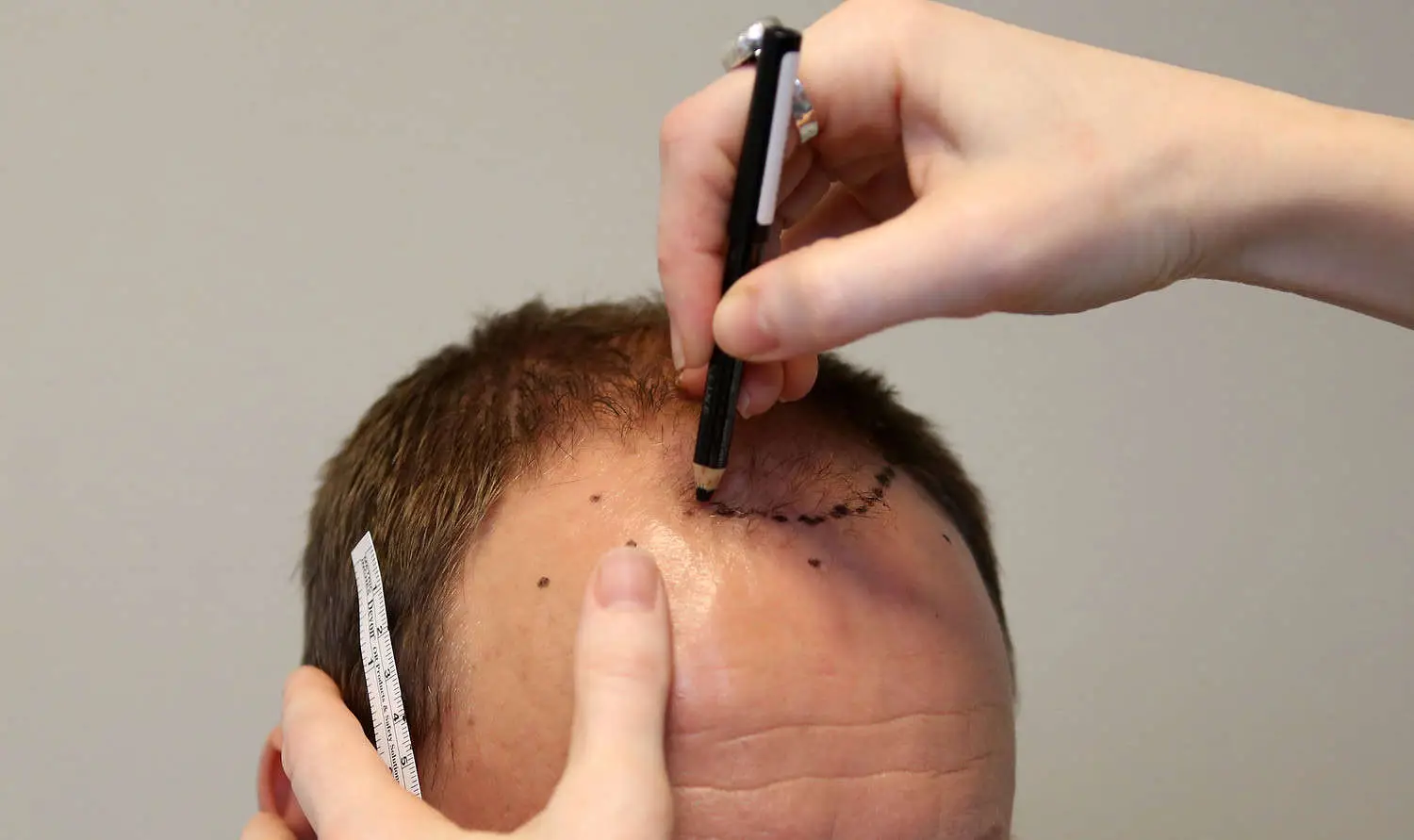
Recipient-area size is also significant. The same number of grafts distributed across a small area may appear denser than when spread over a much larger area. Hairline design, the direction of growth and the amount of existing hair can further affect how full the result looks.
Why Hair-Shaft Diameter Matters
Hair-shaft diameter is one of the most important factors affecting perceived coverage. Thick-caliber hair generally creates more visual bulk and occupies a larger projected area than fine hair. As a result, a similar number of thick hairs may create a fuller-looking appearance than the same number of fine hairs.
This does not mean that thick hair always produces a better transplant result or that fine hair is unsuitable for surgery. Instead, it means that the density plan should be adapted to the patient’s anatomy and visual characteristics. Thick hair may provide stronger coverage with fewer hairs in some areas, while fine hair may require more carefully distributed hairs to create a comparable impression of fullness.
Fine hair can still produce a natural-looking result when the treatment area, donor supply and expectations are assessed realistically. The physician may need to consider how many viable hairs are available, how they can be distributed and whether treatment should focus on a smaller or more strategically important area rather than attempting to cover every region at once.
Fine Hair and Visual Coverage
Fine hair tends to provide less coverage per individual hair because each shaft has a smaller diameter. Scalp visibility may therefore be more noticeable when there is greater contrast between the hair and scalp.
Planning for fine hair may involve using available follicular units efficiently and placing hairs in a way that supports natural overlap and direction. The number of hairs per follicular unit is relevant because multi-hair units may contribute more to overall coverage than single-hair units. Nevertheless, the physician should preserve a natural appearance, especially in the frontal hairline, where inappropriate graft selection or placement can look artificial.
Because donor supply is limited, adding more grafts is not always appropriate. Harvesting changes the residual density of the donor area, so the potential cosmetic benefit in the recipient area must be balanced against the appearance of the area from which grafts are taken.
Thick Hair and Perceived Fullness
Thick-caliber hair can create greater visual coverage because each shaft contributes more width and bulk. This may allow a physician to achieve an effective appearance with fewer hairs than might be needed for a patient with very fine hair, although the exact plan depends on the size and characteristics of the treatment area.
Matching the caliber and characteristics of transplanted hair to the surrounding area remains important. A physician may assess different parts of the donor and recipient regions rather than assuming that hair characteristics are uniform across the scalp.
How Hair Texture Changes Apparent Density
Texture describes the shape, curvature and surface behavior of the hair. Straight, wavy, curly and tightly coiled hair can create different visual impressions even when the underlying hair count is similar.
Curly or tightly coiled hair may appear fuller because the strands project away from the scalp and overlap across a wider area. Curl morphology can reduce the amount of visible scalp between hairs. In some patients, lower contrast between the hair and scalp may also improve the perception of fullness.
These effects should not be treated as universal rules. The appearance depends on the individual curl pattern, hair caliber, color, length, styling and scalp characteristics. A patient with curly hair may have strong apparent coverage, but this does not remove the need for detailed donor and recipient assessment.
Curly and Coily Hair: Planning and Technical Considerations
Curly and tightly coiled hair can create technical challenges during follicular unit extraction. The follicle may curve beneath the skin rather than following a straight path from the surface. Hair angulation and subcutaneous curvature can make extraction more demanding and may increase the risk of graft transection if the procedure is not carefully planned and performed.
Professional assessment should therefore consider curl pattern, follicular angulation, skin characteristics, ethnicity and the physician’s evaluation of extraction difficulty. The visible curl above the scalp does not always show the exact direction of the follicle below the skin.
These considerations do not mean that patients with curly or coily hair cannot undergo transplantation. They highlight the importance of an experienced medical team and a technique adapted to the patient rather than the same approach being applied to every hair type.
Other Factors That Influence Hair Transplant Density
Follicular-Unit Composition
The number of hairs contained within each follicular unit affects the relationship between graft count and hair count. A donor area with a higher proportion of multi-hair units may provide more hairs from the same number of grafts than a donor area dominated by single-hair units.
Follicular-unit composition should be evaluated before surgery because it helps the physician estimate how much coverage the available grafts may provide. It also influences graft selection for different parts of the recipient area.
Scalp-to-Hair Contrast
Contrast between the scalp and hair can affect how easily thinning is seen. Dark hair against a light scalp may make gaps more visible, while lower contrast may make the scalp less noticeable. Hair color alone does not determine the result, but it is one of the visual factors considered during planning.
Recipient-Area Dimensions
A small area and a large area require different strategies. If the same number of hairs is spread over a larger surface, the resulting appearance may be less dense. The physician should consider the dimensions of the area, the pattern of hair loss and the importance of maintaining a balanced appearance between treated and untreated regions.
Hair Direction and Geometry
The angle and direction in which hair grows affect how strands overlap and reflect light. Natural-looking placement requires attention to existing growth patterns, particularly near the hairline and in areas where the hair changes direction. Hair geometry can influence apparent coverage even when the number of transplanted hairs remains unchanged.
How Physicians Assess Density Before a Hair Transplant
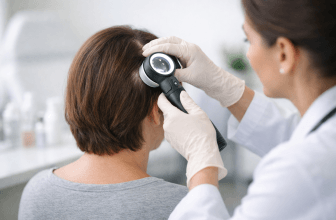
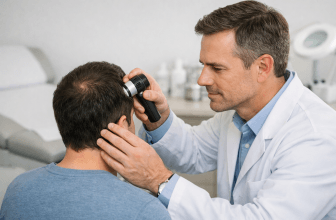
A thorough consultation should go beyond counting grafts. The donor area may be assessed at multiple sites to evaluate hair density, follicular-unit density, shaft diameter and hair quality. Trichoscopy can provide a closer view of these characteristics and may help identify differences that are not obvious during a routine visual examination.
The assessment should also include the size and condition of the recipient area, existing native hair, hair-loss pattern, scalp characteristics and the patient’s goals. For curly or tightly coiled hair, the physician may pay particular attention to follicular angulation and the technical implications of extraction.
Coverage indices, such as the Hair Diameter Index or related Hair Coverage Value calculations, may assist with individualized planning by combining hair caliber and density. These tools can be useful for comparing coverage potential, but published thresholds should be viewed as planning aids rather than universally validated requirements. Evidence is stronger for the general relationship between hair caliber, density and visual coverage than for exact density targets for every hair texture.
How the Donor Area Limits the Plan
The donor area is not an unlimited source of grafts. Every harvested follicular unit changes the density of the remaining hair, so the physician must estimate how many units can be removed while maintaining an acceptable donor-area appearance.
This is particularly important for patients with fine hair or lower donor density, because removing too many units may make the donor area look thinner. Donor-site appearance has been associated with both hair density and hair diameter, which supports assessing these variables before deciding how many grafts may be available.
A responsible plan may prioritize the most visible or cosmetically important areas rather than promise maximum coverage everywhere. The final recommendation should reflect the patient’s current condition, expected progression of hair loss, donor characteristics and long-term objectives.
What to Expect During Treatment Planning in Turkey
International patients should provide clear photographs and relevant medical information before traveling, but remote assessment cannot replace an in-person examination. A consultation at the clinic should confirm the diagnosis, assess the donor and recipient areas and discuss how hair texture affects the proposed density.
Patients may wish to ask:
- How many hairs and follicular units are present in the donor area?
- How does my hair caliber affect expected visual coverage?
- Does my curl pattern or follicular angulation change the extraction plan?
- Which recipient areas should be prioritized?
- How will the donor area be protected?
- Are the proposed density targets planning estimates rather than guarantees?
Patients should also receive clear information about the procedure, possible limitations, aftercare and follow-up arrangements. A qualified physician should determine whether transplantation is appropriate after a clinical assessment.
Recovery and Aftercare Considerations
Aftercare instructions should be followed according to the operating medical team’s guidance. The transplanted area and donor area require appropriate care while the scalp recovers. Patients traveling internationally should understand how follow-up will be provided after returning home and who to contact if they have concerns.
Recovery experiences can vary between individuals and may be influenced by the procedure, scalp condition and the number and distribution of grafts. The visible appearance during recovery is not a reliable measure of final density, and patients should avoid judging the outcome too early. The clinic should explain the expected course and provide individualized instructions rather than relying on generic timelines.
Risks and Limitations
Hair transplantation is a surgical procedure and does not eliminate the biological differences between fine, thick, straight and curly hair. The final visual effect may be limited by donor supply, recipient-area size, hair caliber, follicular-unit composition and the progression of hair loss.
Extraction may be technically more difficult when follicles are highly curved or angled, and graft transection is one consideration during FUE planning. Donor overharvesting can also negatively affect the appearance of the donor area. These risks should be discussed during consultation, along with the limitations of density estimates.
No universal graft number or density target is suitable for every patient. A qualified physician should explain the likely advantages and limitations of the proposed plan based on examination rather than making a promise based only on a headline graft count.
Frequently Asked Questions
Does thick hair always require fewer grafts?
Not always. Thick hair may create more visual coverage per hair, but the number of grafts still depends on the size of the recipient area, existing hair, follicular-unit composition and the desired design.
Can fine hair achieve a natural hair transplant result?
Yes, fine hair can produce a natural-looking result when treatment is appropriately planned. It may provide less visual coverage per hair, so the physician should consider distribution, donor supply, scalp contrast and the area being treated.
Is curly hair better for hair transplantation?
Curly hair may create greater apparent fullness because it projects and overlaps over the scalp. However, curved follicular anatomy can make FUE extraction more technically demanding. Curly hair is not automatically better or worse; it requires individualized assessment.
Is a high graft number a guarantee of high density?
No. Graft count does not show how many hairs each graft contains, how large the recipient area is or how the hair will visually cover the scalp. Density should be assessed in relation to several characteristics.
Explore our Hair Transplant services in Turkey for an overview of treatment options and individual assessment.
TREATMENT OPTIONS
Explore Your Treatment Options
Find out more about our services and discuss which options may suit your individual needs.
YOUR NEXT STEP
Discuss Your Questions With Our Team
Request an individual assessment or ask our team about treatment planning and follow-up arrangements.
Medical References
- Hair Transplantation — Journal of the American Academy of Dermatology; PubMed.
- Trichoscopy for the Hair Transplant Surgeon—Assessing for Mimickers of Androgenetic Alopecia and Preoperative Evaluation of Donor Site Area — Journal of Clinical and Aesthetic Dermatology; PMC.
- Hair Transplant Practice Guidelines — Indian Dermatology Online Journal; PMC.
- Donor Site of Follicular Unit Excision Hair Transplantation: The Relationship Between Appearance and Actual Hair Density, and Hair Diameter — Journal of Plastic Surgery and Hand Surgery; PubMed.
- Current and Emerging Treatment Strategies for Hair Loss in Women of Color — International Journal of Women’s Dermatology; PMC.
- A New Universal Follicular Unit Excision Classification System for Hair Transplantation Difficulty and Patient Outcome — Plastic and Reconstructive Surgery; PubMed.