Choosing between Invisalign and traditional braces is an important decision for anyone considering orthodontic treatment. Both options can improve the position of teeth, but they do not offer exactly the same level of control, appearance, maintenance or suitability for different cases.
Invisalign is one brand of clear aligner treatment. For some patients, clear aligners can be a practical alternative to fixed braces, particularly when crowding or gaps are mild to moderate. For others, especially those with severe crowding, extraction requirements, complex tooth movements or significant bite problems, fixed braces may offer a broader range of biomechanical control. The best choice depends on your teeth, bite, treatment goals, lifestyle and ability to follow the treatment plan.
This guide from Estexper Clinic explains the key differences between Invisalign and braces, including their use for crowded teeth and gaps, likely treatment time, cost considerations, preparation, aftercare and questions international patients may wish to ask before travelling to Turkey.
What Is the Difference Between Invisalign and Braces?
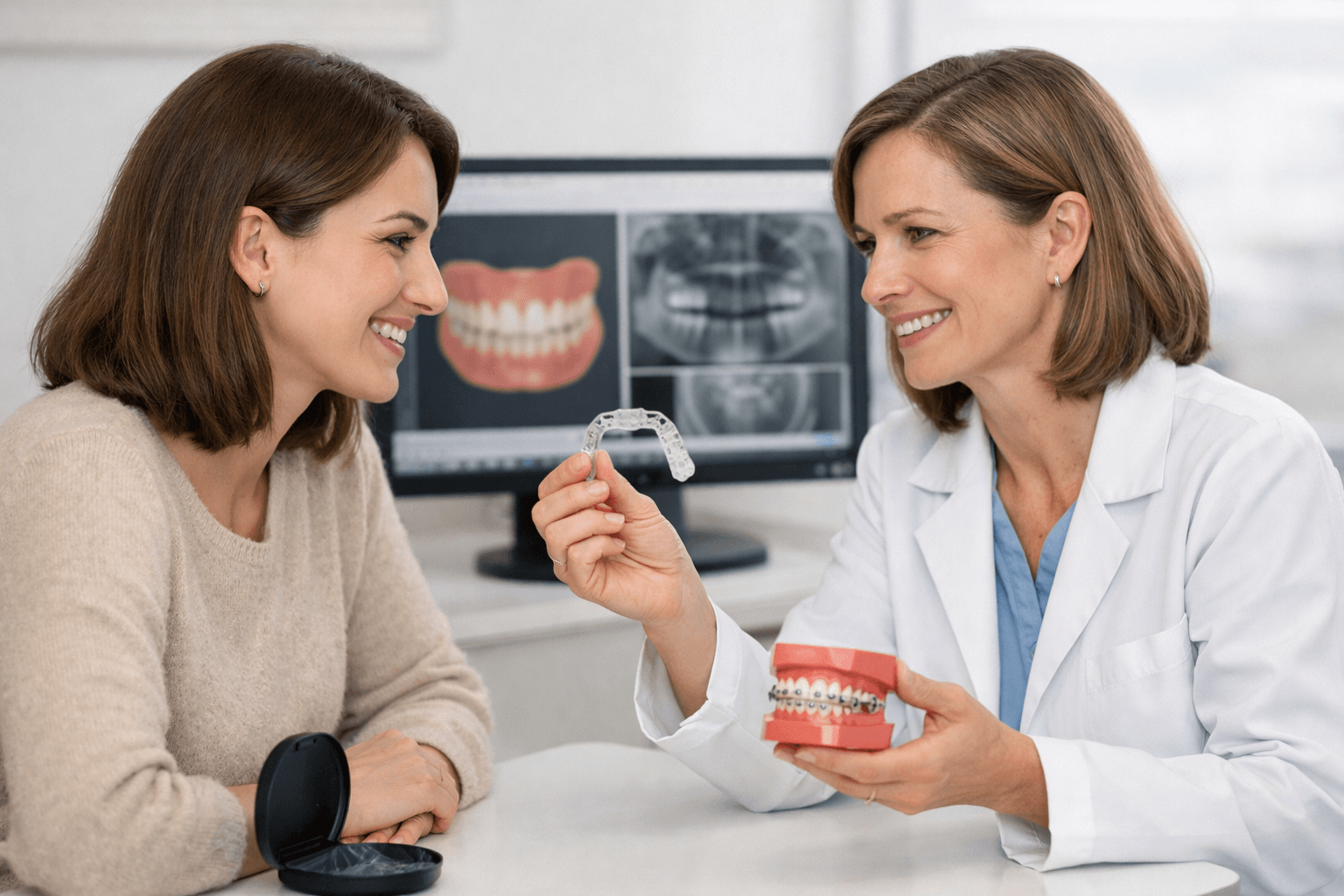
Invisalign is a clear aligner system that uses a series of removable, transparent trays to gradually move teeth. Each aligner is designed to apply controlled pressure to particular teeth. Patients change aligners according to the plan provided by their orthodontic team and attend follow-up appointments to check progress.
Traditional braces use brackets attached to the teeth and an archwire that applies continuous forces. The wire is adjusted during appointments, allowing the orthodontist to control tooth position and movement. Braces may be made from metal or other materials, depending on the treatment plan and the type of appliance selected.
The main difference is not simply appearance. Fixed braces remain attached throughout active treatment, while aligners can be removed for eating, drinking and oral hygiene. At the same time, braces generally provide a broader range of biomechanical control and are commonly used for more complex malocclusions.
Which Is Better for Crowded Teeth?
Crowding occurs when there is not enough space for teeth to align correctly. It can range from mild overlapping to severe displacement, sometimes involving tooth rotations, impacted teeth, bite problems or a need for extractions.
Invisalign for mild-to-moderate crowding
Clear aligners may be suitable for selected patients with mild-to-moderate crowding and no major bite or skeletal discrepancy. They can be appealing to people who prefer a less noticeable appliance and want the flexibility to remove it when eating or cleaning their teeth.
However, aligner treatment depends strongly on consistent wear. Because the trays are removable, not wearing them as prescribed may reduce predictability or extend the treatment period. The aligners also need to fit correctly and be changed according to the orthodontic plan.
Braces for moderate-to-severe crowding
Fixed braces are often considered when crowding is severe or when treatment involves complex movements. They can provide continuous force and allow the orthodontist to control several aspects of tooth movement. This may be particularly important when teeth need significant rotation, root positioning, movement after extraction or coordinated correction of a bite problem.
Research does not establish that Invisalign is superior to braces for all types of crowding. A 2024 systematic review found low-certainty evidence that treatment duration may be similar for clear aligners and fixed appliances in mild-to-moderate crowding, while evidence for severe crowding was insufficient. This means the complexity of your case is more important than the brand or appliance name alone.
Which Is Better for Gaps Between Teeth?
Gaps, also called spacing, may occur between two or more teeth. Clear aligners can be an option for selected spacing cases, especially when the gaps are mild to moderate and there are no significant bite or jaw discrepancies.
Braces can also close gaps and may be recommended when spacing is more complex, when several teeth need coordinated movement or when the gaps are associated with broader bite concerns. The orthodontist must assess the cause and distribution of the spacing before recommending an appliance.
It is important not to choose an appliance based only on the fact that it is clear or removable. The treatment plan should explain how the teeth will move, how long active treatment may take, whether attachments or other components are needed and what type of retention will be required afterward.
Is Invisalign Faster Than Braces?
Many people assume that Invisalign is automatically faster than braces, but consistent evidence does not support this claim. Treatment duration depends on case complexity, the planned tooth movements, biological response, appointment attendance, refinements and patient adherence.
For mild-to-moderate crowding, current evidence suggests that treatment duration may be similar between clear aligners and fixed appliances, although the certainty of this evidence is low and available studies are not completely consistent. There is less reliable evidence for severe crowding, complex movements and extraction cases.
With aligners, missed wear time can slow progress. With braces, broken brackets, missed appointments or poor oral hygiene may also disrupt treatment. The appliance itself is only one part of the overall timeline.
During a consultation, ask for an individualized estimated duration rather than relying on general advertising claims. The estimate may change if the teeth do not respond as expected or if the treatment plan needs to be modified.
Invisalign vs Braces: Cost Considerations
There is no reliable universal rule that Invisalign is always cheaper or more expensive than braces. The total fee varies according to the complexity of the case, expected duration, appliance type, materials, geographic location, provider, follow-up requirements and insurance coverage.
For international patients considering orthodontic treatment in Turkey, the quoted price should be reviewed carefully. Ask whether the estimate includes the examination, digital records or imaging when required, aligners or brackets, planned follow-up appointments, refinements, emergency visits and retainers. The exact inclusions depend on the clinic and treatment plan.
Insurance may cover part of orthodontic treatment when benefits apply, but coverage differs between policies and countries. A written, individualized estimate is more useful than comparing advertised starting prices.
Appearance, Comfort and Daily Maintenance
Appearance
Clear aligners are designed to be less noticeable than traditional metal braces, which can be an important consideration for adults and professionals. Braces are visible, although different bracket options may be available. The most appropriate choice should balance appearance with the level of tooth movement required.
Eating and cleaning
Aligners are removable, so patients can take them out for meals and brush their teeth without brackets and wires in the way. They must then be cleaned and replaced as instructed. Eating or drinking anything other than water while wearing aligners may affect hygiene or the appliances, depending on the treatment guidance provided.
With braces, patients need to clean carefully around brackets and wires. Some foods may need to be avoided or modified to reduce the risk of damage. Good oral hygiene is important with either option because orthodontic appliances can make plaque control more demanding.
Comfort and adjustment
Both aligners and braces can cause temporary pressure, tenderness or irritation as teeth begin to move. Braces may irritate the cheeks or lips, particularly after placement or adjustments. Aligners may feel tight when a new tray is introduced. Your orthodontic team can explain what is expected and how to contact the clinic if a problem occurs.
Who May Be a Candidate for Invisalign?
Clear aligners may be considered for patients with mild-to-moderate crowding or spacing and no major bite or skeletal discrepancy. They may be less suitable when treatment requires extensive tooth movement, complex root control, severe crowding, extraction-related movement or correction of significant bite problems.
Successful aligner treatment also requires reliable adherence. Patients must wear the aligners according to the prescribed schedule, attend reviews and keep the trays in good condition. If this is difficult because of work, travel or daily routines, fixed braces may offer a more dependable option because they cannot be removed by the patient.
Suitability must be determined by a qualified orthodontic professional after an assessment. This may include an examination, photographs, scans, digital records or other imaging when clinically necessary. An online photograph alone cannot establish the full treatment plan.
Who May Benefit from Fixed Braces?
Fixed braces can address crowded teeth, gaps, crooked teeth and many bite problems. They are commonly considered when the case is complex or when the orthodontist needs detailed control over tooth movement. This includes some severe crowding cases, extraction cases, significant rotations, root positioning and malocclusions involving several types of movement.
Braces are not automatically the right choice for every patient. They remain visible and require careful cleaning and attendance at appointments. The decision should be based on the clinical objectives, not only on the appearance of the appliance.
What Happens Before Treatment?
Before either Invisalign or braces, the orthodontic team should evaluate your teeth, bite and overall treatment needs. You should receive an explanation of the proposed appliance, expected treatment stages, likely duration, costs, possible limitations and retention plan.
International patients should also plan how follow-up appointments will be managed. Orthodontic treatment usually involves monitoring and possible adjustments over time, so ask how often reviews are needed, whether remote communication is available between visits and what support is provided if an aligner is lost or a bracket becomes loose after returning home.
Do not begin treatment solely because an option is cheaper or more convenient without understanding whether it can achieve the necessary tooth movements. A clear written plan helps you compare providers and make an informed decision.
Aftercare and Retention
Retention is required after both Invisalign and braces because teeth can shift over time after active treatment. Retainers help maintain the new tooth positions, but the type, schedule and duration of retainer use should be explained by your orthodontic team.
Completing active treatment does not mean that retainers can be ignored. Inconsistent retainer use may allow teeth to move and can compromise the result. Retainers may be removable or fixed, depending on the individual plan.
Follow-up care is particularly important for international patients. Before leaving Turkey, ask for instructions about retainers, replacement options, future reviews and who to contact if a retainer is damaged or no longer fits.
Potential Limitations and Risks
Orthodontic treatment requires commitment with either appliance. Clear aligners may be less effective for some complex movements and depend on consistent wear. Fixed braces may involve visible brackets, dietary restrictions and more challenging cleaning around the appliance.
Any orthodontic plan may require adjustments if teeth respond differently from expected. Treatment can also take longer when appointments are missed, appliances are damaged or instructions are not followed. Your qualified orthodontic provider should explain the relevant risks and limitations for your case before treatment begins.
Invisalign or Braces: Which Should You Choose?
In general, Invisalign may be a reasonable alternative when the case involves mild-to-moderate crowding or spacing and the patient can follow the aligner-wear instructions consistently. Braces may be more appropriate when the treatment requires a wider range of tooth movement or more detailed biomechanical control.
Neither option is universally better. The correct decision depends on the diagnosis, complexity, treatment objectives, expected cooperation, budget and preferences. A qualified orthodontist should assess your teeth and bite before confirming suitability.
When comparing treatment in Turkey, ask Estexper Clinic or your chosen provider for a personalized examination and written plan. Useful questions include:
- What type and severity of crowding or spacing do I have?
- Is there a bite or jaw relationship that affects appliance choice?
- Can either option achieve the planned tooth movements predictably?
- What is the estimated treatment duration, and what could make it longer?
- What is included in the total cost?
- How will follow-up appointments be managed if I return home?
- What retainers will I need after treatment?
Frequently Asked Questions
Are clear aligners suitable for all crowded teeth?
No. Clear aligners may suit selected mild-to-moderate crowding cases, but severe crowding and complex tooth movements may be better managed with fixed braces. An orthodontic assessment is required.
Are braces always more effective than Invisalign?
No. Clear aligners can be effective for appropriately selected cases. However, fixed braces generally treat a broader range of malocclusions and may offer better control for certain complex movements.
Which option costs less?
Neither option is consistently cheaper. Cost depends on complexity, duration, materials, location, provider and insurance. Request a written estimate based on your own treatment plan.
Will Invisalign always finish treatment sooner?
No. Evidence does not consistently show that Invisalign is faster. Treatment time depends on the case, biological response, attendance and adherence, as well as the appliance used.
Do I need retainers after Invisalign or braces?
Yes. Retention is needed after both treatment approaches because teeth can shift over time. Your orthodontist will explain the recommended retainer plan.
Medical References
- Duration of orthodontic treatment with clear aligners versus fixed appliances in crowding cases: a systematic review — PubMed; European Journal of Orthodontics.
- Clinical effectiveness of clear aligner treatment compared to fixed appliance treatment: an overview of systematic reviews — PubMed; Journal of Evidence-Based Medicine.
- Efficacy of clear aligner therapy over conventional fixed appliances in controlling orthodontic movement: A systematic review — Journal of Orthodontic Science; PubMed Central.
- How Do Braces Work? — American Association of Orthodontists.
- Orthodontic FAQs: Your Questions Answered — American Association of Orthodontists.
- Braces — NHS.
This article is for general information and does not replace an examination or individualized advice from a qualified orthodontic professional.