Written by: Estexper Medical Editorial Team
Medically reviewed by: Tolga Aksan, MD
For international patients considering plastic surgery in Turkey, an online consultation is often the first opportunity to speak with a qualified surgical team. It can make early planning more convenient, help clarify goals, and reduce the need to travel before a treatment plan is discussed.
In Short
An online consultation can be useful for preliminary planning, education, medical-history review, and discussion of treatment goals. However, it is usually not enough by itself before elective plastic surgery. Final suitability should be determined after an appropriate in-person surgical examination and any required anesthesia or preoperative assessment.
At Estexper Clinic, online communication may help international patients understand their options before travelling. The final decision about suitability for surgery must be made by a qualified physician after the appropriate clinical assessment.
What an Online Consultation Can Do
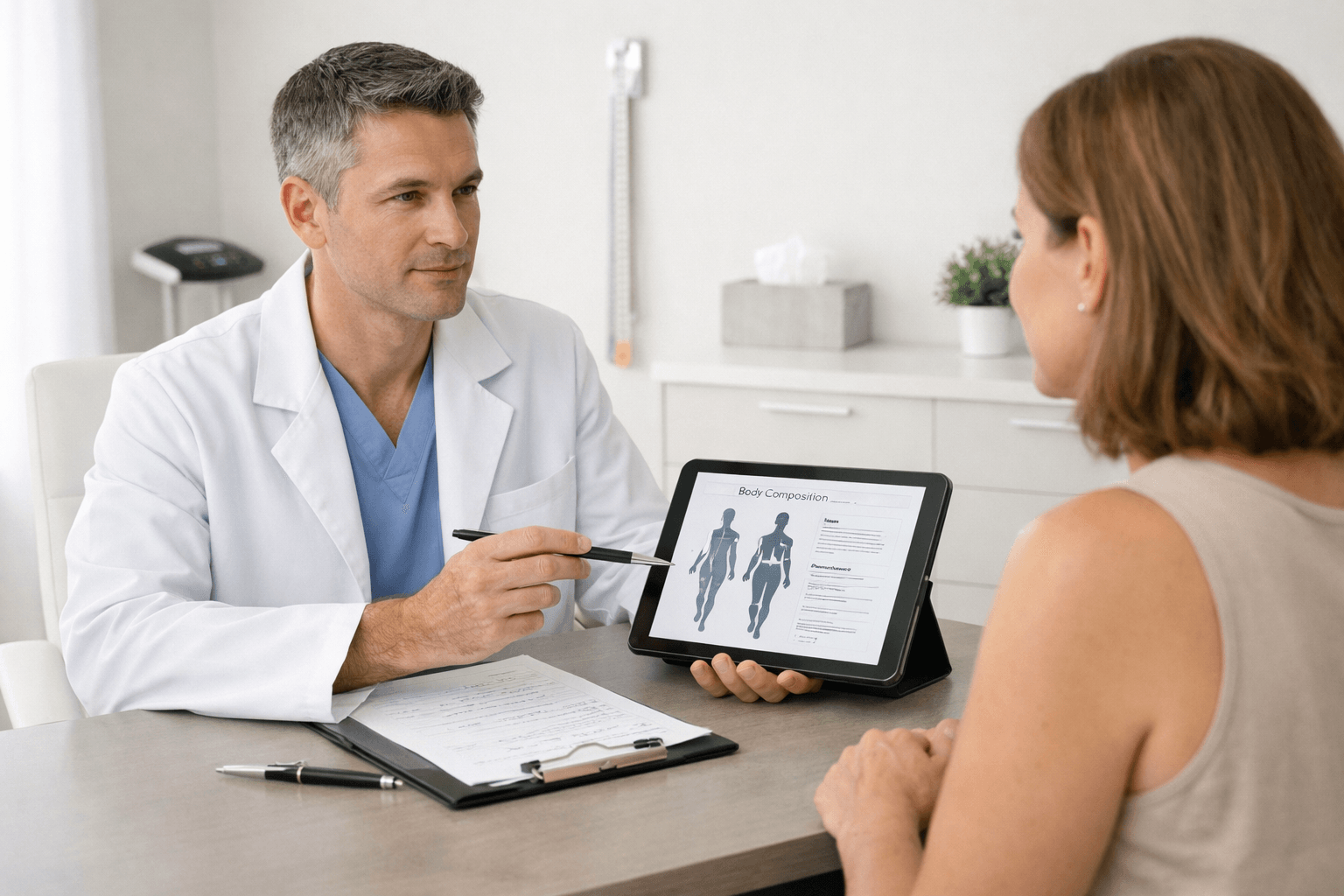
A video consultation, telephone appointment, medical questionnaire, and photographs can provide useful information before you travel. During this early stage, the surgical team may discuss your concerns, previous procedures, general medical history, medications, allergies, and the type of result you hope to achieve.
An online consultation can also help you understand:
- Whether your goals may be relevant to the procedure you are considering
- Which questions you should ask before making a decision
- What information and medical records may be needed
- How the evaluation and treatment process may be organised
- What recovery, aftercare, and travel planning may involve
- Whether an in-person examination is required before surgery
Research on telemedicine in plastic surgery and other surgical fields generally reports positive patient experiences, reduced travel demands, and potential time and cost savings. Virtual preoperative assessment has also been studied in selected surgical populations, with high satisfaction and broadly similar cancellation rates in some settings. These findings support online consultation as a useful planning tool, but they do not establish that an online-only pathway is appropriate for every cosmetic procedure or every patient.
Why an Online Consultation Is Usually Not Enough on Its Own
A video call or photograph cannot provide the same information as a direct examination. Image quality, lighting, camera angle, and the patient’s ability to show a treatment area can all affect what a clinician is able to assess. Some important findings may only become clear through in-person examination.
Before elective plastic surgery, the medical team may need to assess the condition and anatomy of the treatment area, general physical condition, previous scars or procedures, and factors that could affect healing or anesthesia. A physical examination may also help the surgeon decide whether the proposed procedure is suitable, whether an alternative approach should be discussed, or whether treatment should be postponed pending further assessment.
The American Society of Plastic Surgeons states that telehealth histories, examinations, evaluations, proposed treatments, and preoperative or postoperative visits should meet the applicable standard of in-person care. Using video technology does not remove the need for an appropriate level of clinical evaluation.
What Should Be Checked Before Surgery?
Medical history and current health
The surgical team should review relevant medical conditions, previous operations, allergies, medications, supplements, and any history that may affect surgery or recovery. You should provide accurate and complete information, including details that may seem unrelated to the procedure.
A questionnaire or video interview can begin this process, but it may not answer every clinical question. Additional records, tests, specialist opinions, or an in-person assessment may be needed depending on your individual circumstances.
Physical examination and procedure suitability
Suitability is not determined only by what a patient wants to change. The surgeon must consider physical findings, the proposed procedure, expected benefits and limitations, and whether expectations are realistic.
Photographs may support an initial discussion, but they are not a substitute for examining the relevant anatomy. An in-person consultation allows the surgeon to assess the treatment area directly and explain whether the planned procedure is appropriate or whether another option should be considered.
Anesthesia assessment
Anesthesia safety requires its own evaluation. The American Society of Anesthesiologists’ standards describe review of medical records, a patient interview, and a focused physical examination to assess perioperative risk and determine whether additional tests or consultations are needed.
An online surgical consultation cannot replace all anesthesia or medical clearance requirements. Depending on the patient and procedure, the anesthesia team may require further information or an examination before surgery can proceed. The final decision belongs to the responsible medical professionals who assess you.
Informed consent and expectations
A proper consultation should give you time to understand the proposed treatment, alternatives, possible risks, recovery, aftercare, and practical arrangements. It should also allow you to decide voluntarily, without pressure to book treatment immediately.
Before travelling, ask whether you will have an opportunity to review and sign the relevant consent documents after an in-person assessment. Consent should be based on an accurate understanding of the procedure and your own circumstances, not solely on online photographs or promotional information.
How International Patients Can Prepare for an Online Consultation
An online consultation is more useful when you prepare complete and accurate information. Before the appointment, consider creating a list that includes:
- Your current and previous medical conditions
- All medications, vitamins, and supplements you take
- Known allergies or previous reactions to medicines or anesthesia
- Previous surgeries and any complications
- Relevant medical reports, imaging, or laboratory results
- Your main concerns and the result you hope to achieve
- Questions about recovery, aftercare, and follow-up
Use a private, reliable internet connection where possible, and make sure the clinical team can see and hear you clearly. If photographs are requested, follow the clinic’s instructions and do not alter or retouch them. Even clear photographs are only part of the initial assessment.
You should also ask who will perform the procedure, who will provide anesthesia, where the operation will take place, and how medical decisions will be made if the in-person assessment differs from the preliminary online plan. A responsible clinic should explain the process clearly rather than treating an online discussion as automatic approval for surgery.
What Should Happen After You Arrive in Turkey?
For most patients travelling for elective plastic surgery, the online consultation should be followed by an in-person appointment before the operation. This appointment gives the surgeon an opportunity to examine you directly, confirm your goals, review your medical information, and discuss whether the proposed plan remains suitable.
The anesthesia team should also complete the assessment required for safe anesthesia care. Additional tests or consultations may be requested if clinically appropriate. The need for these steps does not necessarily indicate a problem; it is part of responsible preparation and risk assessment.
If the in-person findings differ significantly from the preliminary online discussion, the treatment plan may need to be changed, delayed, or reconsidered. You should be prepared for this possibility and avoid making non-refundable travel or personal arrangements based solely on an initial online opinion.
Medical Tourism: Questions About Aftercare and Travel
Plastic surgery abroad requires planning beyond the operation itself. Before travelling to Turkey, confirm who will monitor your recovery, where follow-up appointments will take place, and how you can contact the medical team if you experience a concern.
You should ask for clear information about:
- Postoperative appointments and wound checks
- Who to contact outside normal appointment hours
- How complications will be assessed and managed
- Whether additional treatment or hospital care may involve separate fees
- How your medical records will be provided to you
- What follow-up support is available after you return home
The CDC notes that medical tourism can involve risks related to infection control, variable facility standards, limited legal recourse, continuity of care, and travel soon after surgery. Travel itself may add concerns such as blood clots and other complications, particularly during recovery. Your surgical team should explain travel-related precautions and advise you according to your individual condition.
It is also sensible to identify a healthcare professional or facility in your home country who could provide medical advice if needed after you return. A clinic abroad may not be able to manage every issue remotely, so an aftercare plan should cover both Turkey and your usual place of residence.
Risks of Relying on an Online-Only Decision
An online-only decision may create an incomplete understanding of your health, anatomy, anesthesia risk, or likely recovery. It may also lead to unrealistic expectations if the discussion is based primarily on photographs or examples of other patients.
Systematic reviews of cosmetic surgery tourism have reported complications including infections, wound problems, seromas or hematomas, and tissue necrosis among patients undergoing aesthetic procedures abroad. These findings describe risks associated with cosmetic surgery tourism generally; they do not mean that every Turkish clinic or procedure has the same complication rate.
The risk of inadequate follow-up is another important consideration. If a problem develops after returning home, communication between different healthcare teams may be more difficult. You should therefore obtain complete records, understand who remains responsible for follow-up, and know where urgent care can be accessed.
Online Consultation Compared With In-Person Consultation
An online consultation is convenient and can be valuable for early education, initial screening, and communication with an international clinic. It may help you decide whether further evaluation is worth pursuing before you arrange travel.
An in-person consultation provides information that online methods may not. It allows direct examination, more complete surgical planning, and coordination with anesthesia and other members of the medical team. It also gives you an opportunity to assess whether you feel comfortable asking questions and making a voluntary decision.
These two forms of consultation are not necessarily alternatives. For many international patients, the most appropriate process is to use an online consultation for preliminary planning, then complete the required in-person and preoperative assessments in Turkey before surgery.
Questions to Ask the Clinic Before Booking
- Is the online consultation preliminary, or is it being presented as final surgical clearance?
- Will the surgeon examine me in person before the operation?
- When and how will the anesthesia assessment take place?
- What medical records, tests, or consultations may be required?
- Who will provide postoperative care in Turkey?
- What happens if the surgeon changes or postpones the treatment plan?
- Who should I contact if I develop a complication after returning home?
- How will I receive my medical records and discharge information?
- What costs may apply if additional medical care is needed?
Frequently Asked Questions
Can a surgeon decide if I am suitable using photographs?
Photographs may support an initial assessment, but they generally cannot replace a complete medical history, physical examination, and anesthesia evaluation. Final suitability must be determined by a qualified physician.
Do I need to travel to Turkey for a consultation before surgery?
Many international patients begin remotely, but an in-person assessment before surgery is generally important. The exact requirements depend on the procedure, your health, and the responsible medical team.
Can online consultation reduce the cost and inconvenience of planning?
It can reduce the need for an early exploratory trip and make communication easier. However, it should not be used to avoid necessary examinations, tests, or medical clearance.
What if I feel pressured to book during the online appointment?
You should have enough time to consider the information, ask questions, and make a voluntary decision. If you feel pressured, pause the process and seek further clarification or an independent medical opinion.
Conclusion
An online consultation can be a useful first step before plastic surgery in Turkey. It supports communication, preliminary screening, education, and treatment planning, especially for patients travelling internationally. Current evidence is generally favorable regarding convenience and patient satisfaction, but it remains heterogeneous and does not prove that online-only assessment is equivalent to comprehensive in-person care for every patient.
In most cases, the appropriate approach is to combine online consultation with an in-person surgical examination, appropriate anesthesia assessment, informed consent, and a clear postoperative plan. Before travelling, confirm how complications, medical records, follow-up, and travel-related concerns will be managed. Your individual suitability must always be determined by qualified medical professionals after reviewing your specific health and clinical findings.
Explore our Plastic Surgery services in Turkey for an overview of treatment options and individual assessment.
TREATMENT OPTIONS
Explore Your Treatment Options
Find out more about our services and discuss which options may suit your individual needs.
YOUR NEXT STEP
Discuss Your Questions With Our Team
Request an individual assessment or ask our team about treatment planning and follow-up arrangements.
Medical References
- Telemedicine in Plastic Surgery: A Systematic Review and Meta-analysis of Utilization and Outcomes Pre- and Post-pandemic. Aesthetic Plastic Surgery / PubMed.
- Virtual Preoperative Assessment in Surgical Patients: A Systematic Review and Meta-analysis. Anesthesiology / PubMed.
- Telehealth and Plastic Surgery. American Society of Plastic Surgeons.
- Basic Standards for Preanesthesia Care. American Society of Anesthesiologists.
- Medical Tourism. CDC Yellow Book, Centers for Disease Control and Prevention.
- Complications of Medical Tourism in Aesthetic Surgery: A Systematic Review. Annals of Plastic Surgery / PubMed.