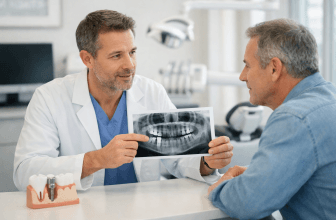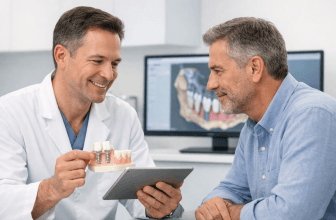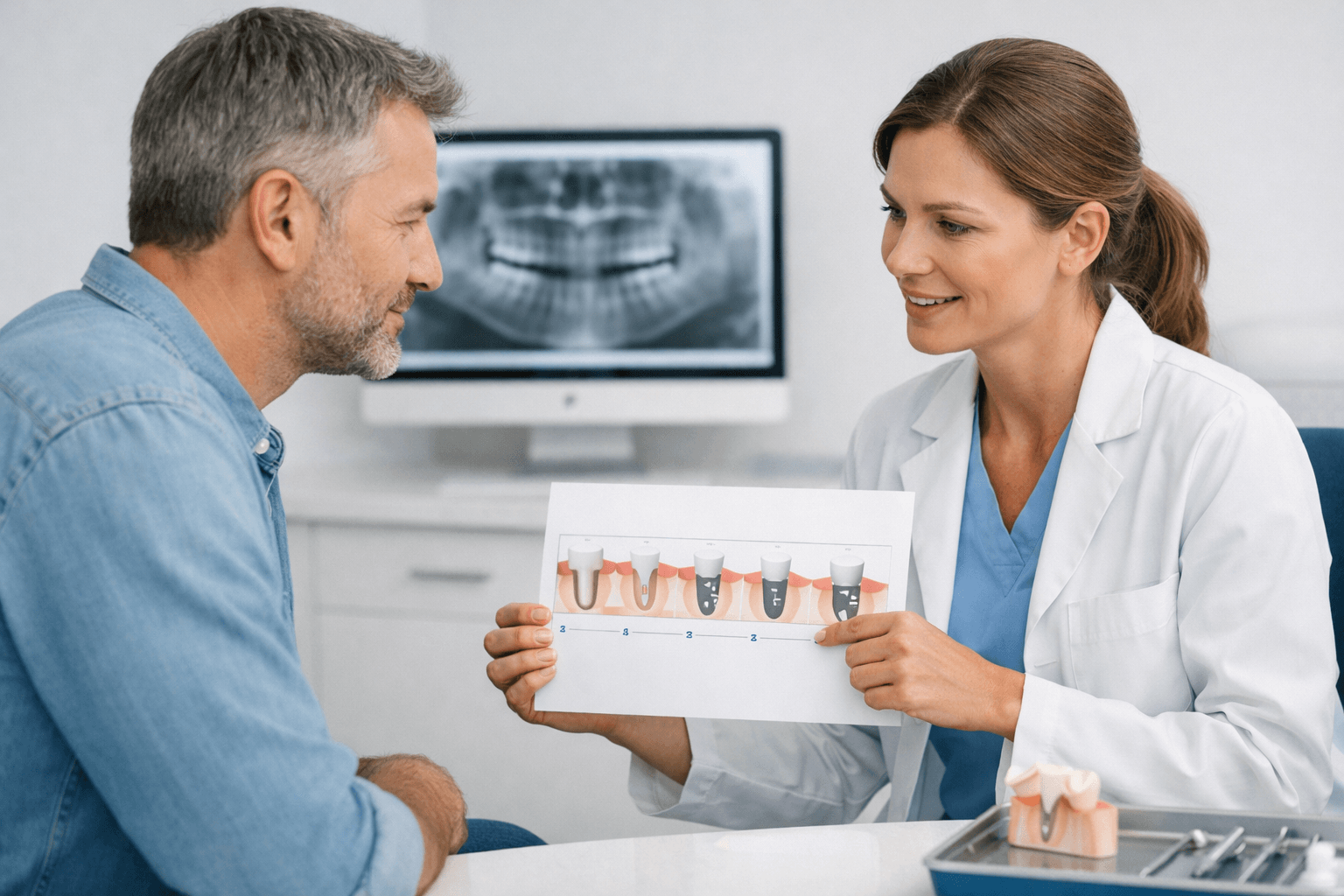
For international patients considering dental implants in Turkey, one of the most important planning questions is whether treatment can be completed during one visit or whether a second trip will be necessary. This question becomes especially relevant when the upper jaw does not have enough bone for predictable implant placement and a bone graft or sinus lift is recommended.
The short answer is that a second trip may be needed, but it is not inevitable. The answer depends on the amount of remaining bone, the sinus-lift technique, whether the implant can achieve adequate primary stability, and the treatment protocol used by the dental team. In some carefully selected cases, a sinus lift, grafting and implant placement can be completed during the same operation. In other cases, the graft must heal before the implant is inserted.
At Estexper Clinic, international patients should receive a treatment plan that clearly explains the proposed sequence, expected healing period, follow-up requirements and the possibility of later restorative appointments.
Why might a bone graft or sinus lift be needed?
Dental implants need sufficient healthy bone for support. After tooth loss, the jawbone may gradually lose volume. In the upper back jaw, the maxillary sinus can also occupy more space as the available bone becomes reduced. When the bone between the mouth and the sinus is too limited for stable implant placement, a sinus lift may be considered.
A sinus lift, also called sinus-floor augmentation, raises the sinus membrane and creates space for bone-graft material. The aim is to increase the available bone in the area where an implant may later be placed. A separate bone graft may also be recommended in other areas where the jaw lacks adequate volume.
Not every patient with reduced bone needs the same procedure. The decision should be based on an individual examination and appropriate dental imaging. A qualified implant dentist or oral surgeon should assess the anatomy, the remaining bone and whether immediate implant stability is realistic.
When is a second trip to Turkey more likely?
A second trip is more likely when treatment is planned in stages. In a staged approach, the sinus lift or bone graft is completed first, and the implant is placed only after the graft has matured sufficiently. The healing period varies according to the procedure and the amount of grafting required.
Guidance from Cambridge University Hospitals describes approximately four to nine months for graft maturation in some external sinus-lift cases. Guy’s and St Thomas’ NHS Foundation Trust states that bone grafts commonly heal for around three to six months before implant treatment, although the exact timing differs between patients.
This means that a patient may need to:
- Travel to Turkey for the bone graft or sinus lift.
- Return after several months for implant placement.
- Return again, or attend a local dentist for certain restorative stages, after the implant has integrated.
The exact number of visits depends on the surgical plan and whether later appointments can be coordinated locally. Some patients may need an additional visit for implant exposure, impressions or the final crown or bridge. These details should be discussed before booking flights.
Can the sinus lift and implant be completed in one trip?
Yes, simultaneous treatment can be possible in selected cases. A sinus lift and implant may be performed during the same operation when there is enough existing bone to provide primary stability and the clinician considers the anatomy suitable.
Cambridge University Hospitals explains that, with some existing bone, simultaneous implant placement may be possible. When there is very little bone, however, the implant is not normally placed until the graft has healed. The distinction is important: the fact that combined treatment is clinically possible does not mean that it is appropriate for every patient.
Systematic-review evidence also supports simultaneous implant placement with certain sinus-floor elevation techniques in appropriately selected patients. However, patient selection, residual bone height, primary stability, anatomy and clinician expertise remain important. A treatment plan should never be based solely on the desire to avoid a second trip.
What does primary stability mean?
Primary stability refers to how securely an implant is held in the available bone immediately after placement. If the implant cannot be sufficiently stabilised, placing it at the same time as the sinus lift may not be advisable. The implant may instead be delayed until the graft has healed and can provide better support.
Only the treating clinician can determine whether primary stability is achievable. This decision should be based on appropriate clinical assessment and dental imaging.
What happens after implant placement?
Even when the sinus lift, grafting and implant placement are completed during one trip, the treatment is not necessarily finished at the end of that visit. Dental implants usually require a healing period before they can support the definitive crown or bridge.
Guidance from Guy’s and St Thomas’ NHS Foundation Trust states that patients commonly wait at least three months after implant placement before the replacement teeth can be fitted. During this period, the implant is allowed to integrate with the surrounding bone. The final restoration is then designed and fitted through several appointments.
For an international patient, this can create a second-trip question even when implant placement was immediate. The clinic may ask you to return to Turkey for impressions, bite records, try-in appointments or delivery of the final crown or bridge. In some treatment plans, selected restorative steps may be coordinated with a dentist near your home, but this must be agreed between the professionals in advance.
Ask the clinic to separate the treatment into clear stages:
- Bone graft or sinus-lift surgery, if required.
- Implant placement, either during the same operation or after graft healing.
- Implant integration and clinical review.
- Impressions or digital scans for the final restoration.
- Fitting and adjustment of the permanent crown or bridge.
How should international patients prepare?
Before travelling to Turkey, request a written treatment plan based on your dental examination and imaging. It should state whether the proposed approach is staged or simultaneous and identify which procedures are expected during each visit.
You should also ask:
- How much bone is available in the proposed implant area?
- Which sinus-lift technique is being considered?
- What would make simultaneous implant placement unsuitable?
- How long is the expected healing period before the next stage?
- How many days should you remain in Turkey after surgery?
- When will the first postoperative review take place?
- What symptoms or complications require urgent contact?
- Will the final crown or bridge be fitted in Turkey?
- Can any later restorative appointments be completed near home?
- Who will manage follow-up if you develop a problem after returning home?
Do not arrange flights based on a standard dental-tourism itinerary without confirming the surgical and review schedule. The time needed in Turkey can vary according to the operation, recovery and the clinic’s protocol.
Flying after a sinus lift
Air travel after sinus surgery requires individual advice from the operating clinician. The available evidence is limited and recommendations vary. A peer-reviewed review concerning dental tourism reports that waiting at least two weeks after a sinus lift may be advisable, while some recommendations suggest longer intervals.
This should not be treated as a universal rule. The appropriate timing may depend on the type of sinus lift, the extent of grafting, your recovery and the clinician’s assessment. Ask specifically when you may safely fly home and whether the clinic wants to review you before departure.
It is also sensible to plan for the possibility that your return flight may need to be changed if recovery takes longer than expected. Travel insurance may not cover planned dental treatment or related complications, so check the policy carefully before travelling.
Recovery and aftercare
After a sinus lift or bone graft, follow the clinic’s instructions carefully. The operating team should explain how to protect the surgical area, attend follow-up appointments and recognise symptoms that require professional advice. Do not assume that a smooth flight home means the treatment is complete.
Follow-up is particularly important for international patients because the clinic may need to check healing before confirming the next stage. If you return home before the planned review, ask whether a local dentist can examine you and how the findings should be shared with the Turkish team.
Keep copies of your treatment plan, implant details, imaging, prescriptions and postoperative instructions. These records can help a dentist near home understand what was completed and what remains planned.
Risks of trying to shorten treatment
Combining procedures may reduce the number of surgical trips in suitable cases, but it is not automatically the best option. Attempting to place an implant when the available bone cannot provide adequate stability may make the treatment less predictable. Conversely, staging the procedures may require more time and travel but can allow the graft to heal before implant placement.
Sinus-lift and bone-grafting procedures also carry potential complications, and recovery can differ between patients. Your clinician should explain the relevant risks, the expected benefits and the alternatives before treatment. If the proposed plan seems to promise a guaranteed one-trip solution without discussing bone anatomy, healing or follow-up, request a more detailed explanation or an independent professional opinion.
One trip or two: a practical comparison
Combined treatment during one visit
This approach may be considered when there is sufficient residual bone and the implant can achieve primary stability. It may reduce the need for a separate surgical trip, but the patient will still require healing time and later restorative care. A follow-up visit may still be needed for the permanent crown or bridge.
Staged treatment over two or more visits
This approach begins with the sinus lift or bone graft. The implant is placed after the graft has healed, often several months later. It may require more travel but can be appropriate when there is limited bone or when immediate implant stability cannot be achieved.
Neither approach is universally better. The correct choice depends on your anatomy, treatment goals, medical and dental assessment, and the clinician’s protocol.
Frequently asked questions
Will I definitely need a second trip to Turkey?
No. Some patients may have the sinus lift and implant placed during the same operation. However, a second trip may still be needed for reviews or the final restoration. Your written plan should explain the expected number of visits.
How long might I wait after a bone graft?
Healing times vary. The supplied clinical guidance describes approximately three to six months for many bone grafts and around four to nine months for some external sinus-lift cases. Your clinician should provide an estimate based on the procedure and your healing.
Can I have my definitive crown fitted immediately?
Usually, the implant needs a healing period before supporting the definitive replacement tooth. Guidance commonly describes at least three months after implant placement, followed by several restorative appointments. The timing is individual.
Can I fly home two days after a sinus lift?
Do not assume that this is safe. Recommendations vary, and a peer-reviewed review notes that at least two weeks may be advisable after a sinus lift in some circumstances. Ask the operating clinician for personalised clearance and allow flexibility in your travel plans.
Can a dentist in my home country complete the final stage?
Some restorative appointments may potentially be coordinated locally, but this depends on the treatment plan, the dentist’s willingness to collaborate and the information available. Confirm this before surgery rather than assuming it will be possible.
Conclusion
A second trip for dental implants after a bone graft or sinus lift in Turkey may be necessary, but it is not inevitable. The key factors are the amount of residual bone, the sinus-lift technique, primary implant stability and the clinic’s protocol. Selected patients may receive simultaneous grafting and implant placement, while others need several months of healing before the implant can be inserted.
Even with one-stage surgery, the final crown or bridge usually requires a later healing and restorative period. Before booking treatment, ask for a staged timeline that includes surgery, reviews, possible complications, flight timing, implant integration and prosthetic appointments. Individual suitability must always be determined by a qualified dental professional following an appropriate examination.
Medical References
- Sinus lift procedures — Cambridge University Hospitals NHS Foundation Trust. Information on staged and simultaneous sinus-lift treatment, graft maturation, follow-up and overall treatment timing.
- Bone grafting for dental implants — Guy’s and St Thomas’ NHS Foundation Trust. Information on bone-graft healing periods before implant treatment.
- Having a dental implant — Guy’s and St Thomas’ NHS Foundation Trust. Information on implant healing and restorative appointments.
- Efficacy of simultaneous placement of dental implants in osteotome-mediated sinus floor elevation with and without bone augmentation: A systematic review and meta-analysis — Journal of Indian Society of Periodontology; PubMed/PMC. Evidence concerning simultaneous implant placement in appropriately selected patients.
- Dental tourism and the risk of barotrauma and barodontalgia — Peer-reviewed review article; PubMed/PMC. Discussion of air-travel considerations after dental procedures, including sinus lifts.