Medical review: Estexper Medical Editorial Team
Hair transplantation is designed to move healthy follicular units from a donor area to regions affected by hair loss. In many patients, transplanted follicles gradually produce new hair, but some grafts may grow poorly or not survive. This is known as hair transplant graft failure and can be partial or complete.
In Short
Early shedding after a hair transplant is commonly expected and does not by itself mean the grafts have failed. New growth often begins around three to four months, while the final result may not be clear for approximately 10 to 18 months. If poor growth persists after an appropriate maturation period, a qualified physician can assess possible causes and whether further treatment or revision surgery may be suitable.
Poor growth may lead to lower-than-expected density, uneven coverage, persistent bald areas, visible scarring, or the need for further treatment. Understanding the expected recovery timeline is important before drawing conclusions about the result.
What Does Hair Transplant Graft Failure Mean?
A transplanted graft usually contains one or more hair follicles. Graft failure means that a follicle does not survive the transplantation process or does not produce visible hair after an appropriate maturation period. Failure can affect a small number of grafts or a much larger area.
When only some grafts are affected, the result may look thin or patchy. If a substantial number do not survive, areas of baldness may remain despite the procedure. In some cases, the transplanted skin can also develop complications such as infection, wound-healing problems, or recipient-site necrosis. Necrosis is uncommon but may damage tissue and cause permanent scarring alopecia.
There is no single, consistently established graft-failure rate that applies to every patient. Published studies use different definitions, surgical methods, follow-up periods, and reporting systems. For this reason, a clinic should assess an individual result rather than relying on a universal percentage.
Does Early Hair Shedding Mean the Grafts Have Failed?
Usually, no. Transplanted hair commonly sheds during the first few weeks after surgery. The follicle can remain in the scalp even though the visible hair shaft falls out. New growth often starts at around three to four months, but timing varies between individuals.
The final result may not be clear until approximately 10 to 18 months after transplantation. During this period, growth can be gradual and uneven. Some areas may begin producing hair before others, and the new hairs may initially appear fine before becoming more noticeable.
Shock loss can also cause temporary shedding of nearby native hair. This can make the scalp appear thinner and may be mistaken for graft failure. In addition, androgenetic alopecia can continue affecting non-transplanted hair around the treated area. A transplant does not necessarily stop the underlying progression of hair loss, so the overall appearance may worsen even when some transplanted follicles survive.
What Are the Signs of Possible Graft Failure?
Only a qualified physician can determine whether grafts have failed. However, the following findings may justify a clinical review, particularly after the expected maturation period:
- Persistent empty or bald areas after sufficient time for growth
- Markedly reduced density compared with the treatment plan
- Patchy growth that does not gradually improve
- Visible scarring or changes in skin texture
- Ongoing redness, swelling, pain, crusting, discharge, or other unexpected symptoms
- Signs of infection or wound-healing problems
These findings do not always prove that follicles have failed. A physician may need to distinguish between delayed growth, shock loss, continuing loss of native hair, styling or lighting differences, and true follicular damage.
Why Might Hair Transplant Grafts Not Grow?
Trauma during extraction or implantation
Follicles are delicate structures. Mechanical injury during harvesting, preparation, or placement may reduce their ability to survive. Excessive manipulation or imprecise handling can damage follicular tissue before implantation.
Dehydration and poor graft handling
Grafts can be harmed if they are allowed to dry out or are not handled carefully. Maintaining suitable conditions while grafts are outside the body is an important part of the procedure. Temperature, hydration, storage conditions, and gentle handling may all influence survival.
Prolonged time outside the body or ischemia
Grafts temporarily lose their normal blood supply during transplantation. A prolonged period outside the body or extended ischemia may place additional stress on the follicle. The time required for the procedure and the way grafts are managed during that period can therefore be relevant to growth.
Recipient-site vascular compromise
After implantation, grafts depend on the recipient scalp developing an adequate blood supply. Excessive graft depth or density, pressure, tissue injury, or other local factors may compromise circulation. If the recipient site cannot support healing properly, graft survival may be reduced.
Infection, folliculitis, or wound-healing problems
Infection and folliculitis are uncommon complications but may interfere with healing and damage follicles. More serious recipient-site complications can affect surrounding tissue. Necrosis, although uncommon, can result in permanent scarring and loss of hair-producing tissue.
Patient-related factors
Individual health and scalp condition may also influence healing and growth. Smoking, diabetes, chronic sun damage, certain medications, and the condition of the recipient scalp have been discussed as possible factors. The strength of evidence is not the same for every factor, so suitability should be assessed by a qualified physician rather than judged from a single risk alone.
How Is Poor Growth Evaluated?
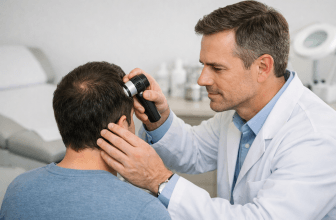
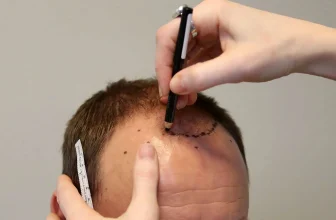
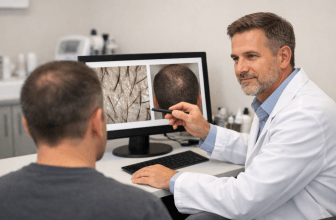
Assessment usually begins with a review of the original procedure, the number and placement of grafts, the donor area, medical history, medications, smoking status, and the timing of shedding and regrowth. The physician may examine the scalp for density, follicle emergence, inflammation, scarring, and signs of ongoing native-hair loss.
The timing of assessment matters. Reviewing the result too early may lead to an incorrect conclusion because new growth may not yet be visible. A physician may recommend observation until an appropriate maturation period has passed, unless there are concerning symptoms such as severe pain, discharge, spreading redness, or tissue changes that require earlier attention.
Photographs taken under comparable lighting and angles can help track progress. For international patients, it is useful to keep the clinic informed and provide consistent follow-up images if an in-person review is not immediately possible. Remote communication cannot replace a physical examination when complications are suspected.
What Happens If Graft Failure Is Confirmed?
Management depends on the cause, the extent of poor growth, the condition of the scalp, and the amount of suitable donor hair remaining. The first priority is to identify and address any active problem, such as infection, inflammation, wound-healing difficulty, or continuing hair loss.
If the result is still developing, the physician may recommend further observation. When inadequate growth remains after an appropriate period, revision hair transplantation may be considered. Revision surgery may add coverage or improve density, but it cannot guarantee a particular outcome. Its feasibility depends on the available donor supply, scalp condition, previous surgical changes, and the reason the first grafts did not survive.
A corrective procedure may improve coverage but may not fully recreate the density of naturally growing hair. A careful consultation should discuss whether the expected benefit justifies using additional donor grafts.
How Can Patients Support Recovery and Graft Survival?
Patients should follow the treating clinic’s instructions for washing, protecting the scalp, sleeping position, physical activity, and prescribed medication. Avoiding unnecessary trauma to the recipient area during early healing is important. Patients should report unexpected symptoms promptly rather than waiting for the next routine appointment.
Before surgery, disclose medical conditions, medications, smoking, and any history of scalp problems. Diabetes and other health factors may require individual medical consideration. International patients travelling to Turkey should arrange a clear follow-up plan before returning home, including how to contact the treating team and where to seek local medical assessment if concerning symptoms develop.
Choosing a qualified physician and an appropriate treatment plan is also important. The number of grafts, the donor area, the recipient scalp, and the pattern and stability of hair loss should all be evaluated before treatment. A larger number of grafts is not automatically better if the recipient tissue or donor supply cannot support the plan.
Hair Transplant Graft Failure Compared With Ongoing Hair Loss
These are different problems. Graft failure refers to transplanted follicles that do not survive or do not produce hair. Ongoing hair loss affects native, non-transplanted follicles and may continue after surgery. If surrounding hair becomes thinner, the transplant can appear less successful even when the transplanted grafts are growing.
Shock loss is another possible explanation for temporary thinning. Because these conditions can look similar to a patient, professional examination and appropriate follow-up are more reliable than judging the result during the early recovery period.
Frequently Asked Questions
How long should I wait before deciding that grafts failed?
Early shedding is commonly expected, and new growth often begins around three to four months. The final outcome may not be clear until approximately 10 to 18 months. Your physician may recommend a different review schedule based on your procedure and recovery.
Can failed grafts grow later?
Some follicles may show delayed growth, so an early lack of visible hair does not always confirm failure. If follicles have been permanently damaged or lost, they cannot be made to regrow through waiting alone. A clinical assessment is needed to distinguish delayed growth from permanent failure.
Can a second hair transplant correct poor growth?
Revision surgery may be possible in selected patients. The decision depends on the cause of poor growth, scalp healing, the pattern of hair loss, and the amount of donor hair available. A qualified physician must determine whether further surgery is suitable.
Should I contact my clinic after returning from Turkey?
Yes. Maintain the agreed follow-up schedule and contact the clinic if growth is significantly below expectations or if you develop unexpected pain, redness, swelling, discharge, or other concerning symptoms. Seek appropriate local medical care for urgent problems while keeping the treating clinic informed.
Medical References
- Hair transplant — NHS.
- Safety Considerations in Hair Restoration Procedures: A Comprehensive Review — PubMed / Aesthetic Surgery Journal.
- A Scoping Review on Complications in Modern Hair Transplantation: More than Just Splitting Hairs — PubMed / Plastic and Reconstructive Surgery Global Open.
- Complications of Hair Transplant Procedures—Causes and Management — PMC / Indian Journal of Plastic Surgery.
- Review of Factors Affecting the Growth and Survival of Follicular Grafts — PMC / Dermatologic Surgery.
Important: This article is for general education and cannot replace an examination by a qualified physician. Individual suitability, diagnosis, and treatment decisions must be determined during a medical consultation.