Medical review: Estexper Medical Editorial Team
Changes in scalp sensation are a common concern after hair transplantation. Some patients notice numbness, tingling, tightness, reduced sensitivity or increased sensitivity in the donor area, recipient area or both.
In Short
Temporary numbness, tingling or scalp sensitivity can occur after a hair transplant and often improves within a few weeks. Recovery can vary, and some symptoms may last for several months. Contact the treating clinic promptly if symptoms are severe, worsening, unexpected or accompanied by signs such as increasing pain, redness, swelling, discharge or fever.
These sensations can be unsettling, particularly when recovery does not feel exactly as expected. This guide explains why altered sensation can occur, what recovery may look like and when to seek medical advice. It is general information and cannot replace an examination by a qualified physician.
Why can numbness or tingling happen after a hair transplant?
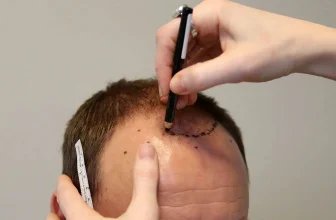
Hair transplantation involves working within the skin of the scalp. Depending on the technique used, grafts may be harvested through individual extraction or a strip excision, and recipient sites are created in the area being treated. These steps can temporarily irritate, stretch or disrupt very small cutaneous sensory nerve fibres.
During healing, altered signals from these small nerves may feel like numbness, pins and needles, tingling, tightness, burning, hypersensitivity or discomfort when the scalp is touched. A reduced or unusual sensation does not automatically mean that the hair follicles have been damaged or that grafts will not grow.
The donor area may feel numb or sensitive after graft harvesting, while the recipient area may feel tight, tender or unusually sensitive as the skin heals. An area that initially feels numb may later become more sensitive or tingly as sensation returns.
Is numbness after a hair transplant normal?
Temporary numbness or paraesthesia is a recognised postoperative effect of hair transplantation. An educational review from the American Academy of Dermatology describes numbness and paraesthesia as an inherent surgical complication that usually resolves within a few weeks. Permanent paraesthesia or dysesthesia is considered rare.
That general timeframe should not be treated as a strict deadline. Published studies use different definitions of numbness, different surgical techniques and different follow-up periods. As a result, there is no universally accepted time limit that precisely defines when altered sensation becomes abnormal.
Some observational findings illustrate this variability. In one series of 2,896 patients, numbness was reported in 18 patients. Hypersensitivity generally subsided within two to three weeks, although one patient experienced donor-area numbness for approximately four months before recovery. This was a single-centre observational study, so its findings cannot predict the experience of every patient.
A separate retrospective study of 552 patients reported postoperative hyperaesthesia in 19 patients, or 3.4%. A 2025 scoping review reported that studies of persistent numbness described rates as high as 11%, although the estimates varied considerably. These figures should not be interpreted as an individual risk assessment because the studies differed in design, definitions and follow-up.
What sensations can occur during recovery?
Patients may describe their symptoms in different ways. Experiences can include:
- Numbness or reduced sensitivity when touching the scalp
- Tingling or a pins-and-needles sensation
- Increased sensitivity to touch
- Tightness or a feeling that the scalp is stretched
- Intermittent prickling, itching or brief unusual sensations
- Tenderness in the donor or recipient area
Symptoms may come and go rather than remain constant. Gradual improvement is generally more reassuring than symptoms that are becoming stronger, spreading or occurring with other unexpected changes.
How long does scalp sensitivity usually last?
For many patients, altered sensation improves within a few weeks. However, individual recovery can be shorter or longer, and sensation may return gradually rather than all at once. Temporary numbness can occasionally persist for several months before resolving.
Rather than focusing only on a specific number of days, it is useful to observe the overall pattern. Symptoms that are mild, stable or gradually improving are generally less concerning than symptoms that are severe, worsening or associated with other unexpected changes.
Your surgeon may be able to assess whether recovery is progressing as expected based on the procedure performed, the areas treated and the findings on examination. Patients travelling internationally for treatment in Turkey should clarify how postoperative reviews will be arranged before returning home, including how to contact the clinic if symptoms change after the journey.
When should you contact your hair transplant clinic?
You should contact the treating clinic or operating surgeon if symptoms are severe, worsening, unexpected or not showing gradual improvement. NHS guidance advises contacting the clinic as soon as possible for severe pain or unexpected symptoms after a hair transplant.
Medical review is particularly important if altered sensation occurs together with other concerning findings, such as:
- Severe or increasing pain
- Rapidly worsening swelling or redness
- Fever or feeling generally unwell
- Unusual discharge or possible signs of infection
- Wound separation or problems with the donor incision
- Marked skin colour changes or suspected skin damage
- Persistent symptoms causing significant concern
These symptoms do not establish a diagnosis by themselves, but they should not be ignored. Infection, wound separation, skin necrosis and persistent sensory disturbance are among the complications that require clinical assessment. If you cannot reach your surgical team and symptoms are severe, seek urgent local medical advice.
Does numbness affect graft survival?
Altered sensation and graft survival are separate issues. Numbness or tingling generally reflects temporary irritation, healing or disruption of small sensory nerve fibres. It does not automatically indicate that transplanted follicles have failed or that the procedure has been unsuccessful.
However, sensory symptoms should be considered alongside the appearance of the scalp and overall recovery. Only a qualified clinician who knows which technique was used and can examine the donor and recipient areas can assess whether there is another cause for concern.
What can you do during recovery?
Follow the aftercare instructions provided by your operating clinic. Instructions may vary depending on the procedure and the condition of your scalp, so advice from your own medical team should take priority over general information.
Handle the scalp gently and avoid unnecessary rubbing or scratching. Do not apply products or take medication specifically for numbness or scalp sensitivity unless these have been recommended by a qualified healthcare professional.
It may also be useful to record when symptoms occur and whether they are improving. A simple note of the location, intensity and pattern may help your surgeon understand the recovery process, particularly if you are communicating remotely after travelling home.
What happens during a medical review?
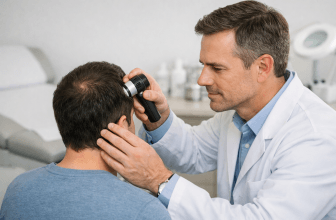
A clinician will usually ask when symptoms began, whether they are improving and whether they affect the donor area, recipient area or both. They may ask about pain, redness, swelling, discharge, fever and any wound changes.
The scalp may be examined for signs of infection, delayed healing, wound problems or other complications. The clinician can compare the symptoms with the technique used and the expected postoperative stage. Further investigation or treatment is not always necessary, but this decision should be made by a qualified professional rather than based only on online information.
If you are considering a hair transplant, suitability for treatment and the appropriate technique must be determined by a qualified physician after assessing your hair loss, scalp condition, general health and expectations. A consultation should also include discussion of possible sensory changes and the clinic’s arrangements for follow-up care.
Questions to ask before treatment in Turkey
International patients should plan postoperative communication before travelling. Useful questions include:
- What sensory changes are commonly expected after the planned procedure?
- How should I contact the operating surgeon if numbness or sensitivity worsens?
- When will the first postoperative review take place?
- How will follow-up be managed after I return home?
- What symptoms require an urgent local medical assessment?
- Will I receive written aftercare instructions in a language I understand?
A clear follow-up plan is important because recovery continues after a patient leaves the clinic. Choose a provider that explains both the expected course and possible complications without presenting a fixed recovery timeline as a guarantee.
Frequently asked questions
Can tingling mean that the nerves are healing?
Tingling can occur while small sensory nerves are irritated or recovering, but the sensation alone cannot confirm exactly what is happening. If it is severe, worsening or accompanied by other unexpected symptoms, contact your clinic.
Is recipient-area numbness different from donor-area numbness?
The areas may feel different because the surgical steps are different. Numbness, tightness or sensitivity can occur in either area. The location alone does not determine whether a symptom is normal, so the pattern and progress should be discussed with your surgeon.
Should I wait several months before asking for help?
No. You do not need to wait if symptoms are severe, worsening or unexpected. Contact the treating clinic promptly. Mild symptoms that are gradually improving may be monitored according to your surgeon’s advice, even if recovery takes longer than a few weeks.
Can permanent numbness occur?
Persistent numbness is recognised but appears uncommon. Published estimates vary, with one recent scoping review reporting rates as high as 11% in the available literature. The evidence is limited by different study methods and definitions, so these figures cannot predict an individual outcome.
Key points
- Temporary numbness, tingling, tightness or sensitivity can occur in both donor and recipient areas.
- Small sensory nerve fibres may be temporarily irritated or disrupted during graft harvesting and recipient-site creation.
- Many patients improve within a few weeks, but recovery can sometimes take several months.
- There is no universal time limit that defines when symptoms become abnormal.
- Severe, worsening, unexpected or persistent symptoms should be discussed with the operating surgeon or treating clinic.
- International patients should arrange clear postoperative communication before travelling home.
At Estexper Clinic, patients should discuss any postoperative concern directly with their treating medical team. Individual recovery varies, and a qualified physician must assess symptoms in the context of the procedure and the patient’s health.
Explore our Hair Transplant services in Turkey for an overview of treatment options and individual assessment.
TREATMENT OPTIONS
Explore Your Treatment Options
Find out more about our services and discuss which options may suit your individual needs.
YOUR NEXT STEP
Discuss Your Questions With Our Team
Request an individual assessment or ask our team about treatment planning and follow-up arrangements.
Medical References
- Hair transplantation — American Academy of Dermatology.
- A Scoping Review on Complications in Modern Hair Transplantation: More than Just Splitting Hairs — PubMed; Aesthetic Plastic Surgery.
- Factors influencing postoperative hyperesthesia in hair restoration surgery — PubMed; Journal of Cosmetic Dermatology.
- Hair transplant — NHS.
- Complications of Hair Transplant Procedures—Causes and Management — PubMed Central; Indian Journal of Plastic Surgery; Association of Plastic Surgeons of India.