Written by: Estexper Medical Editorial Team
Medically reviewed by: Dt. Sait Gezer
A sudden toothache, broken tooth, dental abscess, or mouth injury can be especially stressful when you are travelling in Turkey and preparing to fly home. The most important step is to assess the severity of the problem and seek the right level of care rather than waiting until you return.
In Short
- For most urgent but stable dental problems, contact a dentist or oral and dental health centre for prompt assessment.
- Call 112 or go to hospital emergency care for breathing or swallowing difficulty, severe mouth, throat, or neck swelling, major facial injury, uncontrolled bleeding, or loss of consciousness.
- A knocked-out permanent tooth needs immediate dental care; handle it by the crown and keep it moist if it cannot be repositioned.
- Whether you can fly after treatment depends on the condition, treatment, symptoms, and the treating clinician’s assessment.
When is a dental problem an emergency?
Not every dental symptom requires hospital treatment, but severe or rapidly worsening symptoms should not be ignored. Arrange urgent dental assessment in Turkey if you have:
- Severe tooth or mouth pain that is difficult to control
- A suspected dental abscess or significant swelling around a tooth or gum
- A broken, displaced, or severely damaged tooth
- Dental trauma after a fall, accident, or blow to the face
- Heavy bleeding from the mouth that does not settle with firm pressure
- A permanent tooth that has been knocked out
- Symptoms that are worsening quickly or preventing you from eating, drinking, or sleeping
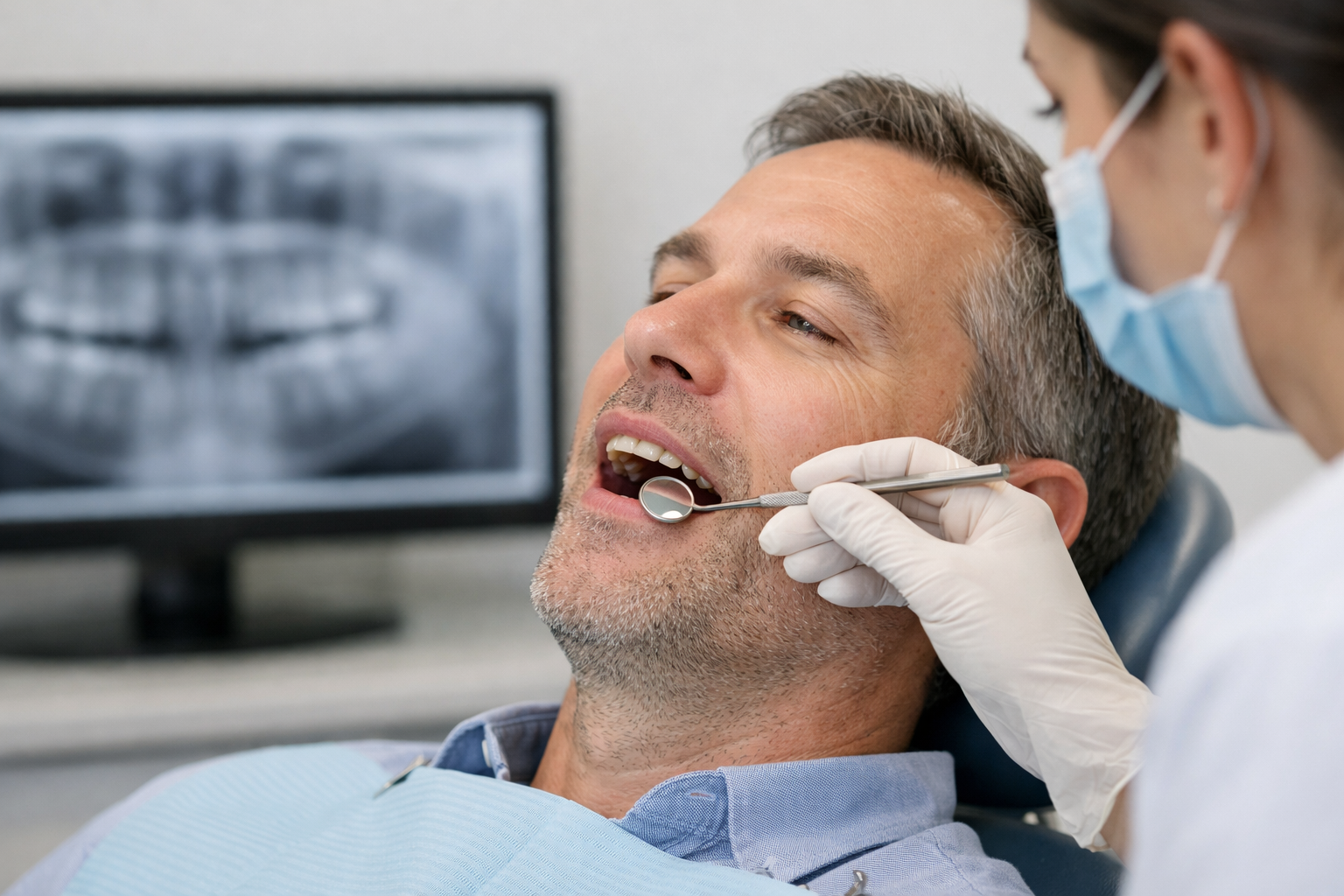
A dental clinic is generally the most suitable destination for tooth pain, localized swelling, broken teeth, and many types of dental trauma. A dentist can examine the affected area, take dental radiographs when needed, control pain, and provide definitive treatment or a temporary plan before your journey.
When should you call 112 or go to a hospital?
Call 112 in Turkey when there is a serious illness or injury and you may need urgent medical assistance or ambulance transport. Hospital emergency care is more appropriate than a dental appointment if you have symptoms that could threaten your airway or indicate a major injury.
Seek emergency medical help for:
- Severe swelling of the mouth, lips, throat, or neck, especially with breathing or swallowing difficulty
- Swelling that makes it difficult to open your eyes or causes rapidly increasing facial distortion
- Major facial or jaw injury, suspected fracture, or a serious accident
- Uncontrolled oral bleeding
- Loss of consciousness, confusion, or other potentially life-threatening symptoms
If you are unsure whether your symptoms are life-threatening, explain your symptoms clearly to the emergency service. Do not attempt to travel to a dental clinic alone if you feel faint, have difficulty breathing, or have suffered a significant facial injury.
Where to get an emergency dentist in Turkey
For urgent but stable dental problems, contact a dental clinic or an oral and dental health centre in the city where you are staying. International patients may find it helpful to ask their hotel, travel insurer, tour operator, or local contacts to help identify a clinic that can assess emergencies in English or another language they understand.
When contacting a clinic, provide concise information:
- Your main symptom and when it started
- Whether there is swelling, fever, bleeding, or facial injury
- Whether a tooth is broken, loose, displaced, or missing
- Any relevant medical conditions, allergies, pregnancy, or current medicines
- Your flight date and whether you have already received dental treatment
Ask whether the clinic can provide an urgent examination and whether you should bring identification, insurance details, previous dental records, or medication information. A dental clinic may treat the immediate problem, stabilise an injured tooth, or explain what treatment should be completed after you return home.
A knocked-out permanent tooth needs particularly fast care
A knocked-out permanent tooth is time-sensitive. The sooner the tooth is assessed and managed, the better the opportunity for appropriate treatment, although the outcome cannot be guaranteed.
If a permanent tooth is knocked out:
- Find the tooth and pick it up by the crown, which is the visible chewing surface. Avoid touching the root.
- If it is dirty, gently rinse it. Do not scrub the root or remove attached tissue.
- If you can easily reposition it in the socket, place it back carefully without forcing it. Do not attempt this if it is a baby tooth.
- If repositioning is not possible, keep the tooth moist in milk, saline, or saliva.
- Seek dental care immediately and take the tooth with you.
A knocked-out baby tooth should not be replanted. Tell the dentist whether the tooth was permanent or a baby tooth, particularly if this is unclear.
What to do while waiting for dental care
Temporary measures can help you manage symptoms while travelling to a clinic, but they do not replace examination and definitive dental treatment.
For pain, non-opioid medicines such as an NSAID or acetaminophen may be appropriate for some adults. The correct choice depends on your allergies, pregnancy status, medical conditions, other medicines, and the instructions on the product label. Ask a pharmacist or clinician if you are unsure, and do not exceed the labelled maximum dose. A healthcare professional should determine what is suitable for you.
For bleeding after an injury, apply firm, gentle pressure with clean gauze or a clean cloth if you can do so safely. If bleeding is heavy or does not stop, seek emergency medical care. Avoid placing aspirin directly on the gum or tooth, as this can irritate oral tissues.
Do not attempt to drain an abscess yourself, cut swollen tissue, or use leftover antibiotics. For most otherwise healthy adults with dental pain or localized swelling, guidelines prioritise definitive dental treatment rather than routine antibiotics. Antibiotics may be considered when there are signs of systemic illness, such as fever or malaise, or other clinical reasons determined by a qualified clinician.
What treatment might be provided before your flight?
The appropriate treatment depends on the diagnosis, examination findings, radiographs, the extent of injury, and your general health. An emergency dentist may focus on controlling pain, treating infection when clinically indicated, repairing or stabilising a damaged tooth, or addressing dental trauma.
In some cases, the dentist may provide definitive treatment during your stay. In others, the immediate priority may be stabilisation and a clear plan for continued care after you return home. The dentist should explain what has been done, what remains necessary, and whether there are warning signs that require further urgent attention.
Do not assume that receiving dental treatment automatically means you cannot fly. Fitness to fly depends on the diagnosis, the treatment provided, your symptoms, and the clinician’s assessment. Ask the treating dentist or physician specifically whether your planned flight is appropriate and whether you need additional review before travelling.
Preparing for an urgent dental visit in Turkey
Before attending the clinic, gather information that can help the dental team make a safe decision:
- Passport or other identification, if requested
- Travel insurance details and the insurer’s emergency contact information
- A list of current medicines and known allergies
- Details of pregnancy, chronic illness, or previous reactions to medicines
- Any previous dental records or recent radiographs
- Information about your flight and your planned return destination
Contact your insurer as soon as practical. Some policies require prior authorisation or documentation for reimbursement, although urgent treatment should not be delayed when serious symptoms are present. Keep copies of receipts and any communication with the insurer.
What records should you take home?
After emergency dental treatment abroad, request a written diagnosis and a summary of the care provided. Ask for:
- The diagnosis or suspected diagnosis
- Details of any procedure, repair, dressing, splint, or other treatment
- The names and instructions for any medicines prescribed
- Copies of dental radiographs or other relevant images
- Information about symptoms that require urgent review
- A recommended follow-up plan and the expected timing of review
Share these records with your dentist at home. If a tooth was knocked out, displaced, or significantly injured, follow-up may be important even when the initial emergency treatment appears successful. Your home dentist can review the treatment and decide whether additional care is needed.
Risks of delaying care until after your flight
Delaying urgent assessment may allow pain, swelling, bleeding, or dental trauma to worsen. A dental infection with systemic symptoms or rapidly progressing swelling needs prompt clinical attention. Similarly, a knocked-out permanent tooth requires rapid management, and waiting until you arrive home may reduce the options available to the treating dentist.
Not every dental symptom requires emergency hospital treatment. Self-medicating with leftover antibiotics can cause side effects and may not address the underlying dental problem. The safest approach is appropriate triage by a qualified dental or medical professional.
Frequently asked questions
Should I go to a hospital or a dentist for severe toothache?
If the pain is severe but you have no airway symptoms, major facial injury, or uncontrolled bleeding, an urgent dental clinic is generally the appropriate first destination. Go to hospital emergency care or call 112 if severe swelling, breathing or swallowing difficulty, major trauma, loss of consciousness, or uncontrolled bleeding is present.
Can a dentist in Turkey prescribe antibiotics?
A qualified clinician may prescribe antibiotics when there is a clinical indication, such as systemic involvement or another factor requiring them. Antibiotics are not routinely needed for every toothache or localised swelling, and they should not be taken without professional advice.
Can I fly after emergency dental treatment?
There is no single waiting period that applies to every dental procedure or diagnosis. Ask the dentist or physician who assessed you. Your ability to fly depends on the condition treated, the procedure, your symptoms, and any risks identified during the consultation.
What if I do not speak Turkish?
Tell the clinic that you need communication in English or another language you understand. Bring written information about your symptoms, medicines, allergies, and flight plans. Your insurer, hotel, or travel provider may also help you locate an appropriate service.
What should I do after returning home?
Arrange follow-up with your usual dentist and provide the Turkish clinic’s written diagnosis, treatment details, radiographs, and medication list. Seek urgent care sooner if pain, swelling, bleeding, fever, or other symptoms worsen.
Key points for international patients
- Use an urgent dental clinic or oral and dental health centre for most stable dental emergencies.
- Call 112 for serious illness or injury, airway-threatening swelling, major facial trauma, uncontrolled bleeding, or other life-threatening symptoms.
- Handle a knocked-out permanent tooth by the crown, keep it moist, and seek dental care immediately.
- Do not assume antibiotics are necessary for every toothache or localised swelling.
- Use pain medicines only when suitable for your health and other medicines.
- Ask a qualified clinician whether you are fit to fly after treatment.
- Keep complete treatment records and arrange follow-up after returning home.
Explore our Cosmetic Dentistry services in Turkey for an overview of treatment options and individual assessment.
TREATMENT OPTIONS
Explore Your Treatment Options
Find out more about our services and discuss which options may suit your individual needs.
YOUR NEXT STEP
Discuss Your Questions With Our Team
Request an individual assessment or ask our team about treatment planning and follow-up arrangements.
Medical References
- First Aid and Emergency Health Services — Republic of Türkiye Ministry of Foreign Affairs.
- How to find an NHS dentist in an emergency — NHS.
- Knocked-out tooth — NHS.
- Checklist for Antibiotic Prescribing in Dentistry — Centers for Disease Control and Prevention.
- Oral Analgesics for Acute Dental Pain — American Dental Association.
- Traumatic Dental Injuries FAQ — American Association of Endodontists.
This article is for general education and does not replace an examination by a qualified dentist or physician. Individual treatment and fitness to fly must be assessed according to your symptoms, diagnosis, medical history, and clinical findings.