Written by: Estexper Medical Editorial Team
Medically reviewed by: Fatih Karaca, MD
Many people considering bariatric surgery ask whether gallbladder removal can be completed during the same operation. In selected patients, laparoscopic cholecystectomy—the medical term for gallbladder removal—can be performed at the same time as sleeve gastrectomy or Roux-en-Y gastric bypass.
In Short
Yes. Gallbladder removal can be combined with sleeve gastrectomy or Roux-en-Y gastric bypass when it is medically indicated, especially for symptomatic gallbladder disease. Routine removal for people without symptoms is not recommended for everyone, because the potential benefit must be weighed against added operative complexity and possible complications. A qualified bariatric surgeon should assess symptoms, imaging findings, the planned procedure and individual operative risk.
However, removing the gallbladder is not automatically recommended for everyone undergoing weight-loss surgery. The decision depends on whether gallstones are causing symptoms, what imaging has shown, which bariatric procedure is planned, the patient’s overall health, and the surgeon’s assessment of operative risk.
This article explains when combined surgery may be appropriate, why routine removal remains controversial, how the operation is planned, and what international patients should discuss with their bariatric team at Estexper Clinic or another qualified medical provider.
What does combined bariatric and gallbladder surgery involve?
Combined surgery means that the bariatric procedure and laparoscopic cholecystectomy are performed during one operation. Laparoscopic surgery uses several small incisions rather than one large abdominal incision. Through these access points, the surgical team uses a camera and specialized instruments to complete the planned procedures.
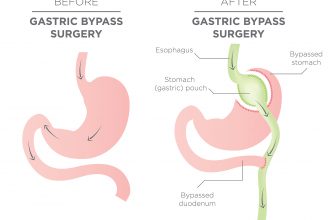
The bariatric operation may be a sleeve gastrectomy, which reduces the size of the stomach, or a Roux-en-Y gastric bypass, which changes the route food takes through the digestive system. During the same anesthetic, the surgeon may remove the gallbladder if gallbladder surgery is medically indicated.
Although the procedures can be technically combined, this does not mean that a combined operation is suitable for every patient. Bariatric and gallbladder surgery should be planned together after reviewing symptoms, ultrasound findings, medical history, anatomy and individual risk.
When is gallbladder removal recommended during bariatric surgery?
The strongest support for simultaneous gallbladder removal applies to patients who have symptomatic gallbladder disease or another clear medical reason for cholecystectomy. Symptoms may be associated with gallstones or inflammation, but the diagnosis and treatment recommendation must be made by a qualified physician.
Guidelines from the Enhanced Recovery After Surgery Society support performing or considering cholecystectomy before or during bariatric surgery when gallstones are symptomatic. The guideline also notes that the quality of evidence is low, meaning that the final decision should be individualized rather than applied as an automatic rule.
The European ESPEN/UEG guideline recommends cholecystectomy for symptomatic patients. It also states that removal may be considered for some patients with known asymptomatic gallstones who are undergoing Roux-en-Y gastric bypass or biliopancreatic diversion. In these operations, future endoscopic access to the bile duct may be more difficult because of the altered digestive anatomy.
If gallbladder removal is clearly indicated, performing it during the bariatric operation may avoid the need for a separate future procedure. Nevertheless, a staged approach—bariatric surgery and gallbladder surgery at different times—may be reasonable in some cases.
What if gallstones are found but there are no symptoms?
Routine gallbladder removal in patients with completely asymptomatic gallstones remains controversial. Some patients never develop gallstone-related symptoms after bariatric surgery, while others may later experience biliary problems.
A systematic review and Bayesian meta-analysis found that symptomatic gallstone disease after bariatric surgery was generally not common enough to make prophylactic removal an obvious choice for every patient. The review also associated prophylactic cholecystectomy with higher odds of postoperative complications, although the available studies were observational and varied in design. This means the findings should be interpreted carefully rather than treated as a universal rule.
In a 2023 retrospective study of 426 patients whose gallbladders were left in place, 1.9% developed symptomatic gallstones during 12 months of follow-up. The study authors favored expectant management for patients without symptoms, while supporting removal for those with symptomatic disease.
On the other hand, the possibility of future access problems is relevant for some patients undergoing Roux-en-Y gastric bypass or biliopancreatic diversion. Because these procedures alter the digestive anatomy, certain future endoscopic procedures involving the bile duct may be more difficult. For this reason, some guidelines allow prophylactic removal to be considered when gallstones are already known.
The practical conclusion is that an asymptomatic patient with gallstones does not automatically need gallbladder removal, but neither is removal always inappropriate. The planned bariatric operation and the patient’s anatomy are important parts of the decision.
How is the decision made?
Before recommending combined surgery, the bariatric team generally reviews the patient’s symptoms, medical history and abdominal imaging. An ultrasound may identify gallstones or other gallbladder findings, but an imaging result must be interpreted alongside the patient’s symptoms and clinical examination.
The surgeon may consider:
- Whether the patient has pain or other symptoms consistent with gallbladder disease
- Whether there is a current or previous episode of gallbladder inflammation or another clear indication for surgery
- Whether gallstones or gallbladder abnormalities are visible on imaging
- Whether the planned operation is sleeve gastrectomy, Roux-en-Y gastric bypass or another bariatric procedure
- Whether altered anatomy could make future bile duct access more difficult
- The patient’s general health, anesthesia risk and abdominal surgical history
- The surgeon’s experience with combined laparoscopic procedures
Because the evidence is not completely uniform, patients should be told why removal is or is not being recommended in their specific situation. A qualified bariatric surgeon should make the final suitability assessment after reviewing the complete clinical information.
What preparation may be needed?
Preparation for combined surgery is similar to preparation for bariatric surgery, but the team may pay particular attention to the gallbladder findings and any history of abdominal symptoms. Patients should provide a complete list of medical conditions, previous operations, medications and allergies.
It is important to tell the medical team about any episodes of abdominal pain, nausea, vomiting, fever, jaundice or previous gallbladder treatment. Patients should also bring or share relevant ultrasound reports and other medical records when arranging treatment internationally.
International patients considering treatment in Turkey should ask for a consultation with the operating bariatric surgeon rather than relying only on a general treatment description. They should receive a clear explanation of the proposed bariatric procedure, whether gallbladder removal is planned, why it is being recommended, and what happens if the surgeon finds that the combined procedure is not appropriate during the operation.
Travel planning should also be discussed with the clinic. The medical team can provide individualized guidance about the required stay, follow-up appointments and when travel may be medically appropriate. These arrangements vary according to the operation, recovery and the patient’s condition.
What happens during the operation?
When both procedures are planned, the surgeon performs the bariatric operation and laparoscopic gallbladder removal during the same anesthetic. The exact order and technical approach depend on the patient’s anatomy, the type of bariatric surgery and the surgeon’s judgment.
Combining the procedures may mean one planned operation rather than two separate operations. However, it also adds surgical work to the bariatric procedure. This may affect operative time and can influence the risk of certain postoperative complications. The surgeon should explain the expected advantages and disadvantages before consent is given.
Sometimes the safest decision is to perform only the bariatric procedure or to postpone gallbladder surgery. Surgical plans can change if unexpected findings, inflammation or technical concerns are identified. Patients should discuss this possibility before surgery and understand how decisions will be made in their best interests.
Recovery and aftercare
Recovery after combined surgery is monitored according to the bariatric procedure, the gallbladder operation and the patient’s overall condition. The care team will provide instructions about eating and drinking, activity, wound care, prescribed medication and warning signs.
Patients should follow the bariatric team’s dietary instructions carefully. They should also attend all scheduled follow-up appointments so the team can assess recovery after both parts of the operation. Any new or worsening abdominal pain, persistent vomiting, fever, jaundice, wound changes or other concerning symptoms should be reported promptly.
Patients traveling from another country should arrange follow-up communication before leaving Turkey. They should know whom to contact if a concern develops after returning home and should keep copies of the operative report, discharge information and relevant test results.
Potential benefits and risks
The possible benefit of combined surgery is that a patient with a clear indication for gallbladder removal may avoid a separate future operation. This may be particularly relevant when gallbladder symptoms are already present or when the planned bariatric procedure could make future bile duct access more difficult.
However, adding cholecystectomy can increase operative complexity and may increase operative time. The evidence on routine prophylactic removal is uncertain, and some studies have reported higher rates of selected postoperative complications when gallbladder removal is added.
A 2025 analysis of more than one million cases from the Metabolic and Bariatric Surgery Accreditation and Quality Improvement Program found small absolute increases in selected 30-day complications with concomitant cholecystectomy. After adjustment, the study found no association with perioperative mortality, anastomotic leak or gastrointestinal bleeding. These findings provide useful contemporary information, but they do not remove the need for individualized decision-making.
Every operation carries risks, and the risks may differ depending on the patient’s health, anatomy, previous surgery and the selected bariatric procedure. The surgeon and anesthetic team should explain the risks that apply to the individual patient rather than relying on general statistics.
Combined surgery versus staged surgery
There are two broad approaches when a patient has gallstones or suspected gallbladder disease:
- Combined surgery: Bariatric surgery and gallbladder removal are performed during one operation when the team believes the benefits outweigh the additional operative considerations.
- Staged or expectant management: Bariatric surgery is performed without gallbladder removal, with later surgery considered only if symptoms or another clear indication develops.
Combined surgery may be more attractive for symptomatic patients or selected bypass patients with known gallstones. Expectant management may be reasonable for patients with no symptoms, particularly when the expected risk of future gallstone disease is considered modest and the planned operation does not create the same concern about future bile duct access.
Neither approach is correct for every patient. The decision should be based on symptoms, imaging, procedure type, anatomy, surgeon expertise and overall operative risk.
Frequently asked questions
Can gallbladder removal be combined with sleeve gastrectomy?
Yes. Concomitant laparoscopic cholecystectomy is technically feasible during sleeve gastrectomy. It is generally considered when gallbladder disease is symptomatic or when there is another clear indication for removal. Routine removal in patients without symptoms is not universally recommended.
Can gallbladder removal be combined with gastric bypass?
Yes. Gallbladder removal can be performed during Roux-en-Y gastric bypass in selected patients. For patients with known asymptomatic gallstones, some guidelines allow prophylactic removal to be considered because future endoscopic access to the bile duct may be more difficult after bypass.
Should everyone have the gallbladder removed before bariatric surgery?
No. Current evidence does not support automatic removal for every bariatric patient. Symptomatic disease is the clearest reason to consider cholecystectomy, while decisions for asymptomatic patients require a careful discussion of potential future risk and the added risks of combined surgery.
What if my ultrasound shows gallstones but I have no symptoms?
Gallstones without symptoms do not automatically require surgery. Your surgeon should consider the ultrasound findings together with your planned bariatric procedure, anatomy and overall health. Ask why removal is or is not being recommended in your case.
Can the surgeon decide not to remove the gallbladder during the operation?
The plan may change if unexpected findings or technical concerns make combined surgery less appropriate. Patients should discuss this possibility during consent and ask how the surgical team will manage unexpected findings.
Conclusion
Gallbladder removal can be performed at the same time as sleeve gastrectomy or Roux-en-Y gastric bypass. The clearest support for combined surgery is found in patients with symptomatic gallbladder disease or another established indication for cholecystectomy.
For patients with asymptomatic gallstones, routine removal remains debated. Evidence suggests that later symptomatic gallstone disease is generally modest, while adding cholecystectomy may increase operative time and some postoperative complications. In selected bypass patients, however, the difficulty of future bile duct access may influence the recommendation.
A qualified bariatric surgeon should assess your symptoms, ultrasound findings, planned procedure, anatomy and individual risks before recommending combined or staged treatment. If you are considering bariatric surgery in Turkey, ask for a personalized surgical plan and ensure that follow-up arrangements are clearly explained before traveling.
Explore our Bariatric Surgery services in Turkey for an overview of treatment options and individual assessment.
TREATMENT OPTIONS
Explore Your Treatment Options
Find out more about our services and discuss which options may suit your individual needs.
YOUR NEXT STEP
Discuss Your Questions With Our Team
Request an individual assessment or ask our team about treatment planning and follow-up arrangements.
Medical References
- Guidelines for Perioperative Care in Bariatric Surgery: Enhanced Recovery After Surgery (ERAS) Society Recommendations: A 2021 Update — Enhanced Recovery After Surgery Society.
- European guideline on obesity care in patients with gastrointestinal and liver diseases – Joint ESPEN/UEG guideline — European Society for Clinical Nutrition and Metabolism and United European Gastroenterology.
- Risk and Prophylactic Management of Gallstone Disease in Bariatric Surgery: a Systematic Review and A Bayesian meta-analysis — Society of Surgical Oncology / Springer Nature journal publication.
- Incidence of symptomatic gallstones after bariatric surgery: the impact of expectant management — Langenbeck’s Archives of Surgery; indexed in PubMed.
- Concomitant laparoscopic cholecystectomy with bariatric surgery: current insights from the 2015-2021 MBSAQIP database — University of Pennsylvania and collaborating institutions; Surgical Endoscopy.