Lip filler swelling is one of the most common concerns after treatment. Although many patients enjoy a noticeable change immediately, the lips can look fuller than expected during the first few days. Mild bruising, tenderness, tightness, and temporary unevenness may also occur while the tissue settles.
For most patients, the most visible swelling improves within several days, while the final appearance becomes easier to assess over the following weeks. Recovery can vary according to the type and amount of filler used, injection technique, individual healing, and whether the lips have been treated before. A qualified physician must assess your suitability for lip filler and explain what is realistic for your anatomy and treatment plan.
How Long Does Lip Filler Swelling Usually Last?
Lip filler swelling commonly lasts for a few days, with the greatest degree of swelling often appearing during the first 24 to 48 hours. Some patients look close to their expected result after a few days, while others continue to have mild puffiness or firmness for one to two weeks. Small areas of swelling can occasionally take longer to fully settle.
The initial appearance should not be considered the final result. Hyaluronic acid filler attracts water, and the lips may also respond to the injections with temporary inflammation. These effects can make the lips appear larger, feel firm, or look slightly uneven at first. As the filler integrates and the tissues calm, the shape usually becomes softer and more natural-looking.
Your clinician should provide individual advice because recovery is not identical for everyone. Contact the clinic if you are uncertain whether your symptoms are within the expected range, particularly if swelling is increasing rather than improving.
A Typical Lip Filler Recovery Timeline
Immediately after treatment
Immediately after lip filler injections, the lips may be swollen, pink, tender, or sensitive. Small injection marks may be visible, and a few drops of blood or minor bruising can occur. The lips may feel tight, especially when speaking, smiling, or eating.
The shape seen immediately after the procedure is influenced by both the filler and temporary tissue swelling. For this reason, your physician may advise you not to judge the result at the clinic mirror or make decisions about additional filler on the same day.
The first 24 hours
Swelling may become more noticeable during the first day, particularly in the evening or after physical activity. Mild tenderness and a feeling of fullness are common. Bruising may also become more visible during this period.
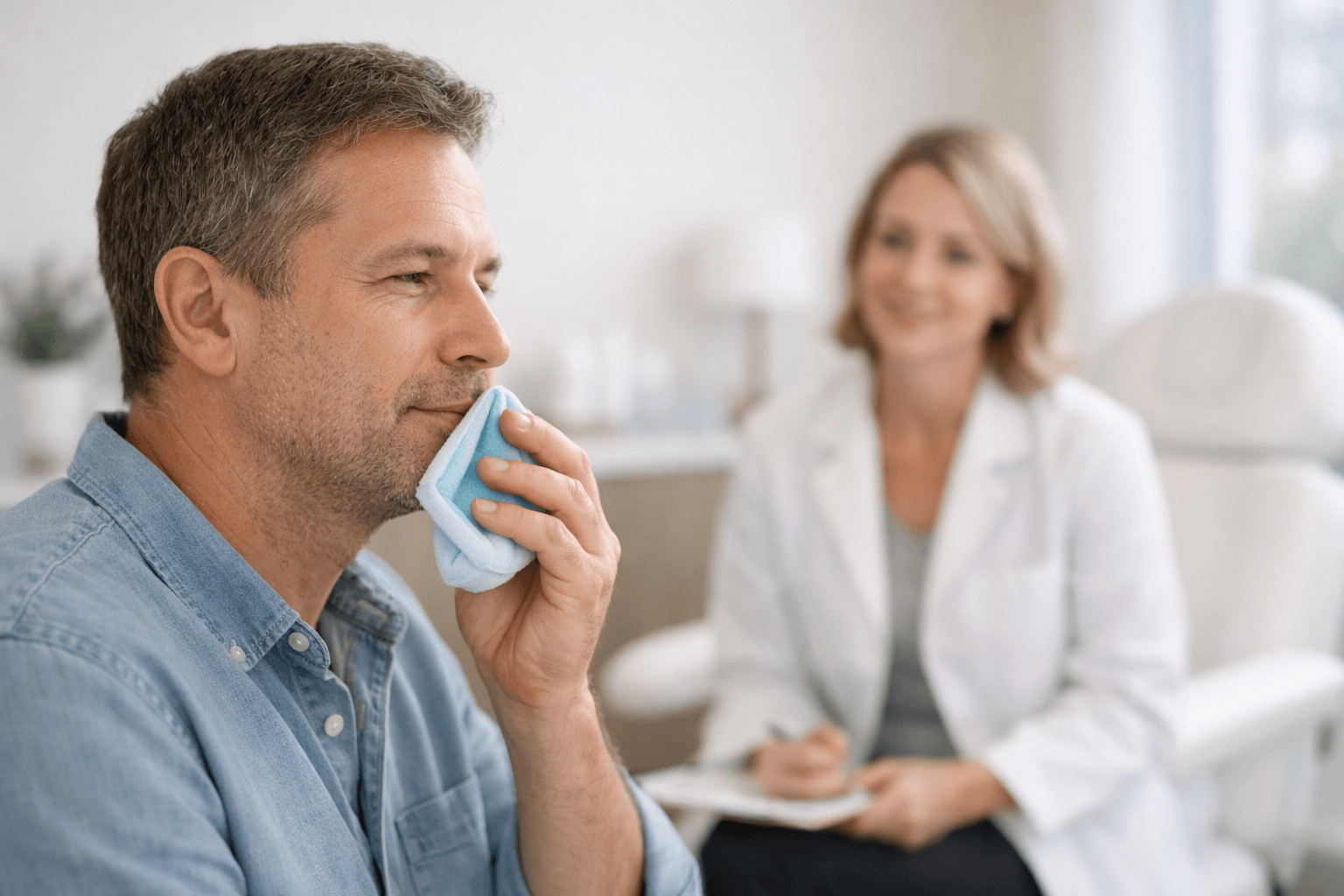
Follow the aftercare instructions provided by your medical team. In general, patients are advised to avoid pressing, rubbing, or massaging the lips unless specifically instructed to do so. A cool compress wrapped in a clean cloth may help with discomfort, but ice should not be applied directly to the skin.
Days two to three
For many patients, this is when swelling is at or near its most noticeable. The lips may appear uneven, and one side may settle sooner than the other. Temporary asymmetry during this stage does not necessarily indicate a problem.
Bruising can change colour as it heals. The lips may still feel firm or slightly lumpy, especially around injection points. Avoid trying to correct these areas by applying pressure. If you experience severe pain, unusual colour changes, or rapidly worsening swelling, contact your physician promptly rather than waiting for the next appointment.
Days four to seven
Swelling usually begins to reduce more clearly during the second half of the first week. The lips often start to feel more comfortable, and movement becomes easier. Some puffiness, tenderness, or small areas of firmness may remain.
At this stage, the appearance may be closer to the intended result, but it may still change. It is usually too early to decide whether further filler is needed unless your physician has specifically asked you to attend an earlier review.
Weeks two to four
By the second week, much of the visible swelling has often settled. The lips may feel softer, and the outline and volume can be assessed more accurately. Minor residual firmness or asymmetry may continue to improve.
Many clinics arrange a follow-up appointment after the initial healing period. This gives the physician an opportunity to review the result and discuss any concerns. If additional treatment is considered, it should only be planned after the lips have had adequate time to settle and after your suitability has been reassessed.
Why Does Lip Filler Cause Swelling?
Swelling is a natural response to injections. The needle or cannula creates small areas of tissue irritation, and the body sends fluid and inflammatory cells to the area as part of healing. Hyaluronic acid, the material commonly used in many lip fillers, can also bind water, contributing to temporary fullness.
The lips are particularly sensitive because they contain many nerve endings and have delicate, mobile tissue. Talking, eating, smiling, and sleeping with pressure on the face can make the area feel more uncomfortable during early recovery. Swelling may also vary between the upper and lower lip or between the two sides.
What Can Affect the Length of Recovery?
Several factors may influence how long swelling lasts:
- Individual healing: Some people naturally develop more swelling or bruising after injections.
- Treatment area and amount: More extensive treatment may result in a more noticeable early response.
- Previous lip filler: Previously treated lips may respond differently from untreated lips.
- Injection technique: The method and location of injections can influence tenderness and swelling.
- Skin and tissue characteristics: Anatomy and tissue flexibility affect how the lips accommodate filler.
- Daily activities: Heat, strenuous exercise, alcohol, and pressure on the lips may make early swelling more noticeable.
- Medical history and medicines: Some health conditions and medications can affect bruising or healing.
Before treatment, tell your physician about your medical history, allergies, previous cosmetic procedures, current medicines, and any history of cold sores. Do not stop prescribed medication without advice from the clinician who manages it.
How to Prepare for Lip Filler
Good preparation can make the recovery period easier, although it cannot eliminate swelling completely. Arrange treatment at a time when you can allow several days for the most visible swelling to improve. If you are travelling to Turkey, consider allowing enough time between the procedure and important photographs, social events, or your return journey.
During your consultation, discuss your preferred appearance, previous filler treatments, allergies, and any concerns about swelling or bruising. Ask which product is planned, who will perform the injections, what follow-up is available, and what to do if you develop a concern after leaving the clinic.
Avoid making last-minute changes to medicines or supplements without professional guidance. Your clinician may provide specific instructions about alcohol, exercise, skincare products, and other activities before treatment. Suitability must be decided by a qualified physician after an appropriate consultation, whether the consultation takes place in person or through a clinic’s international patient process.
Aftercare Tips for Reducing Discomfort
Follow the instructions given by your treating clinician, as these take priority over general information. Common aftercare measures may include:
- Use a cool compress over a clean cloth for short periods if advised by your clinic.
- Keep the lips clean and avoid unnecessary touching.
- Sleep with your head slightly elevated during the first night if this is comfortable.
- Avoid vigorous exercise and excessive heat during the early recovery period according to your physician’s instructions.
- Do not massage, squeeze, or press areas of firmness unless your clinician specifically recommends it.
- Choose foods and drinks that are comfortable to consume while the lips are tender.
- Protect the lips from unnecessary sun and heat exposure during early healing.
- Attend the recommended follow-up appointment, especially if you remain concerned about swelling or symmetry.
Ask your physician before taking any pain relief or anti-inflammatory medicine. Some medicines may not be suitable for you or may affect bruising, so personalised advice is important.
When Is Lip Filler Swelling Not Normal?
Some swelling and bruising are expected, but certain symptoms require prompt medical advice. Contact your clinic urgently if you develop severe or worsening pain, skin that becomes unusually pale, white, grey, dusky, or blue, increasing coldness or numbness, blistering, or swelling that is rapidly progressing.
Also seek medical advice if you develop signs of infection, such as increasing redness, warmth, discharge, fever, or feeling generally unwell. Breathing difficulty, swelling of the tongue or throat, or symptoms of a serious allergic reaction require emergency medical attention.
Do not rely on online photographs to diagnose a complication. Your treating clinic should be your first point of contact for procedure-related concerns. International patients should request written emergency contact instructions before leaving the clinic and understand how to access local medical care while in Turkey or after returning home.
Can You Work or Travel After Lip Filler?
Many patients return to light daily activities quickly, but visible swelling or bruising may make the lips noticeable for several days. Whether you feel comfortable working depends on your job, the amount of swelling, and your personal preference. Jobs involving significant physical exertion may require different timing based on your physician’s advice.
If you are travelling for treatment, do not plan a tightly scheduled itinerary that leaves no time for review or unexpected swelling. Confirm how the clinic will support you after treatment, including who to contact outside normal opening hours. Keep your treatment records and aftercare instructions available if you need to consult another healthcare professional during travel.
When Can You Judge the Final Result?
The final result should be assessed after the early swelling has settled, rather than immediately after injection. For many patients, the appearance is easier to judge after approximately two weeks, although small changes in softness and contour can continue beyond this point.
Do not compare your lips with edited photographs or another person’s recovery. A natural result depends on facial anatomy, lip proportions, skin quality, the treatment objective, and the physician’s approach. If you are considering a correction or additional volume, wait until your clinician confirms that the tissues have healed sufficiently.
Frequently Asked Questions
Is it normal for one lip to be more swollen than the other?
Temporary uneven swelling can occur, particularly during the first few days. One side may receive a different injection pattern or may respond differently. If asymmetry is severe, worsening, or still concerning after the expected recovery period, contact your physician for an examination.
Can I massage swollen lips after filler?
Do not massage the lips unless your treating clinician tells you to. Pressure may irritate the tissue or affect the placement of filler. A physician should decide whether massage is appropriate for a specific area and explain how it should be performed.
What if my lips are still swollen after one week?
Mild residual swelling or firmness can remain after one week, and recovery differs between patients. Contact the clinic for guidance if swelling is not gradually improving, is getting worse, or is accompanied by increasing pain, unusual colour changes, fever, or discharge.
Can I have lip filler if I have had cold sores?
A history of cold sores should be discussed during consultation because injections around the lips may be relevant to your individual risk. Your physician can decide whether treatment is suitable and whether any preventive plan is appropriate. Do not self-medicate without professional advice.
How should international patients plan treatment in Turkey?
Choose a properly qualified medical provider, arrange a thorough consultation, and ask about the product, aftercare, follow-up, and emergency contact process. Allow recovery time before travelling or attending important events. A remote consultation can provide initial information, but final suitability and treatment planning require assessment by a qualified physician.
Key Takeaway
Lip filler swelling is usually most noticeable during the first 24 to 48 hours and generally improves over the following days. Mild puffiness, bruising, or firmness may last for one to two weeks, and the lips should be assessed only after the initial healing period. Careful preparation, following personalised aftercare instructions, and maintaining contact with your medical team can help you manage recovery safely.
If swelling is severe, rapidly worsening, unusually painful, associated with abnormal skin colour, or accompanied by breathing difficulty or signs of infection, seek medical advice immediately. Estexper Clinic can discuss your concerns, but only a qualified physician can determine whether lip filler is appropriate for you and provide individual medical guidance.