Written by: Estexper Medical Editorial Team
Medically reviewed by: Dt. Sibel Gokceer
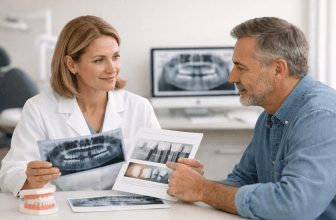
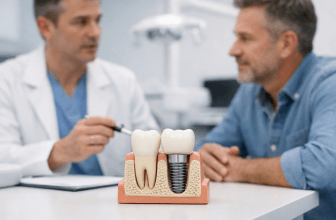
Dental implants after radiotherapy may be possible for some people, but treatment requires more careful planning than standard implant treatment. Radiotherapy can affect healing capacity and the long-term condition of the jawbone, so implants placed in irradiated bone may have a higher risk of complications and failure than implants placed in non-irradiated bone.
In Short
Dental implants are not automatically ruled out after head and neck radiotherapy. However, suitability depends on the radiation dose and distribution at the proposed implant site, jawbone condition, cancer status and other individual risk factors. Implant surgery may be avoided in jaw areas that received 50 Gy or more when appropriate non-implant alternatives are available, and planning should involve the dental and oncology teams.
This guide explains what patients should know about dental implants after head and neck radiotherapy, including timing, preparation, possible risks, recovery and alternative options.
Why does radiotherapy affect dental implant treatment?
Radiotherapy used for head and neck cancer can affect tissues within or near the treatment field. When the jaw receives radiation, changes may occur in the bone and surrounding soft tissues. These changes can make it more difficult for an implant to integrate with the bone and for surgical wounds to heal normally.
The main concern is that irradiated bone may have a reduced ability to recover after surgery. This does not mean that every patient will experience problems, but it means that an implant operation must be planned using the radiation history and the exact location of the proposed implant site.
One serious but uncommon complication is osteoradionecrosis. This is a condition in which irradiated bone becomes exposed or damaged and does not heal properly. A systematic review and meta-analysis reported osteoradionecrosis in approximately 3% of irradiated patients receiving implants. The available studies could not reliably identify every risk factor, so the individual risk must be assessed by the treating team.
Can you have dental implants after head and neck radiotherapy?
In some cases, dental implants can be considered after head and neck radiotherapy. Research indicates that implant treatment can be successful, although survival is generally lower in irradiated bone than in non-irradiated bone. A 2022 meta-analysis reported an overall mean implant survival of 87.8% and found a significantly higher risk of implant failure in irradiated bone.
These figures should not be treated as a personal prediction. Studies include different cancer types, radiation doses, implant sites, surgical methods and follow-up periods. The evidence is also largely based on observational research. Individual outcomes may differ depending on the condition of the jawbone and other health factors.
Implants in irradiated grafted bone may carry a higher failure risk than implants in irradiated natural bone. For this reason, procedures that require bone augmentation after radiotherapy may need particularly careful consideration. The German S3 guideline advises against routine bone augmentation after radiotherapy, although the final decision depends on the clinical situation and specialist assessment.
What determines whether implants are suitable?
A qualified dental implant specialist, oral and maxillofacial surgeon and restorative dentist should assess the case. The radiation oncologist may need to provide information about the treatment field and dose distribution. Important considerations include:
Radiation dose and distribution
The dose received by the exact area of the jaw is highly relevant. The German S3 guideline reports poorer implant survival in studies involving jaw doses above 50 Gy. The ISOO-MASCC-ASCO guideline advises avoiding implant surgery in areas of the mandible or maxilla that received 50 Gy or more when other treatment options are available.
The total dose is not the only issue. The treatment team should review which parts of the jaw were exposed and how the dose was distributed. A radiation plan or treatment summary can help the dental team assess the proposed implant location.
Implant location
Implant outcomes may vary between the upper and lower jaw. The German S3 guideline notes that results may be less favourable in the maxilla, or upper jaw, than in other locations. Bone quality, blood supply and the amount of available bone can all influence the decision.
Bone quality and previous grafting
The implant site must have sufficient bone volume and quality for stable placement. Irradiated grafted bone may have a greater risk of implant failure than irradiated native bone. If the site is deficient, specialists may discuss whether an implant is appropriate or whether a non-surgical restorative option may be more suitable.
Oral and general health
Good oral hygiene is important before and after implant treatment. The team may also consider dry mouth, existing dental disease, smoking, nutrition, other medical conditions and medicines that could affect healing. Xerostomia, or persistent dry mouth, can make oral-health maintenance more difficult and may influence the long-term implant plan.
Cancer status and overall recovery
Implant rehabilitation should be considered in coordination with the cancer care team, taking account of current health and treatment status. The dental and oncology teams should communicate before invasive treatment is planned. Any new or persistent symptoms in the mouth, jaw or neck should be discussed with the medical team.
How long should you wait after radiotherapy?
The ideal timing is not firmly established by high-quality evidence. The German S3 guideline recommends waiting 6 to 12 months after radiotherapy before placing implants. This is a guideline recommendation rather than a guaranteed safe interval, and it does not eliminate the effects of radiation on the jawbone.
Studies have produced mixed findings about whether waiting longer improves implant survival. Therefore, the decision should not be based on time alone. The team may consider the type and location of the cancer, the radiation dose, healing, oral health, imaging results and whether further cancer treatment is planned.
Patients travelling internationally for treatment in Turkey should obtain their oncology records before arranging surgery. These may include the radiotherapy summary, dose distribution information, cancer treatment history, current medicines and recent dental or medical imaging. A remote consultation can help with initial planning, but an in-person examination and appropriate imaging are still necessary before treatment.
What preparation is needed before implant placement?
Preparation is usually more detailed than for a routine implant case. The dental team may:
- Review cancer and radiotherapy history.
- Request the radiation dose and distribution for the proposed jaw area.
- Examine the teeth, gums, jawbone and oral soft tissues.
- Assess oral hygiene and symptoms of dry mouth.
- Use dental imaging to evaluate bone structure and the implant site.
- Discuss smoking and other factors that may affect healing.
- Coordinate with the cancer care team regarding the timing of dental surgery.
- Compare implant treatment with removable or fixed non-implant alternatives.
Any active dental infection or significant gum disease should be addressed as part of the treatment plan. Clinicians should also explain the possibility of delayed healing, implant failure and osteoradionecrosis before consent to surgery.
What happens during and after implant treatment?
The surgical approach should be selected according to the condition of the irradiated bone and the planned restoration. Because healing may be less predictable, the team may take a cautious approach to the number and location of implants. Treatment may be staged, depending on the findings and the complexity of the restoration.
After surgery, close follow-up is important. More frequent appointments may be recommended so that the surgical site, gums, implant stability and oral hygiene can be monitored. A dentist should be contacted promptly if there is increasing pain, swelling, exposed bone, discharge, numbness or a wound that does not appear to be improving.
Long-term maintenance is essential. Regular professional reviews, careful cleaning around the implants and management of dry mouth can help protect the surrounding tissues. Patients should follow the personalised cleaning instructions provided by their dental team and maintain ongoing communication with their oncology and dental specialists.
Are complications more common after radiotherapy?
Compared with non-irradiated bone, implant treatment after radiotherapy has a higher risk of implant failure. The risk may be greater when the jaw received a higher dose, when the implant is placed in the maxilla or when grafted bone is involved.
Possible complications include failure of the implant to integrate with the bone, infection, delayed soft-tissue healing and damage to irradiated bone. Osteoradionecrosis is uncommon but potentially serious. The risk cannot be accurately estimated from radiotherapy history alone, which is why dose distribution and local examination are important.
Evidence regarding preventive treatments remains limited. The German S3 guideline does not recommend routine hyperbaric oxygen therapy for implant treatment after radiotherapy. This does not mean that every patient will receive the same care; preventive strategies should be discussed individually rather than assumed to be necessary for everyone.
What are the alternatives to implants?
If implants are considered too risky or unsuitable, a dentist may discuss other ways to restore function and appearance. Depending on oral condition, these may include a removable dental prosthesis or a conventional fixed restoration. The appropriate choice depends on the remaining teeth, the condition of the jaw, the location of missing teeth, comfort, cleaning ability and cancer treatment history.
Choosing an alternative is not a failure of treatment. In some high-dose jaw areas, the ISOO-MASCC-ASCO guideline recommends avoiding implant surgery when other treatment options are available. A non-implant restoration may provide a more appropriate balance between function, maintenance and surgical risk.
Questions to ask your treatment team
- What radiation dose did the proposed implant site receive?
- Was the upper or lower jaw included in the radiation field?
- Is my bone native or grafted, and is it suitable for implant placement?
- How long should I wait based on my cancer and dental history?
- What are my individual risks of implant failure and osteoradionecrosis?
- Are there non-implant alternatives that may be safer?
- How will my oral hygiene and dry mouth be managed?
- What follow-up will be available if I have treatment abroad?
Conclusion
Dental implants after head and neck radiotherapy may be possible, but they should not be treated as a routine procedure. Radiotherapy alone does not automatically rule out implants; however, irradiated jawbone has a higher risk of healing problems and implant failure than non-irradiated bone.
The most appropriate plan depends on the radiation dose and distribution, implant location, bone quality, cancer status, oral hygiene, dry mouth, smoking and other health factors. Current guidance supports multidisciplinary planning, careful imaging and long-term follow-up. Before travelling to Turkey or another country for implant treatment, arrange a detailed review of radiotherapy records and confirm how ongoing follow-up will be managed.
Only a qualified physician and dental implant team who have reviewed the individual records can determine whether implants are appropriate.
Explore our Cosmetic Dentistry services in Turkey for an overview of treatment options and individual assessment.
TREATMENT OPTIONS
Explore Your Treatment Options
Find out more about our services and discuss which options may suit your individual needs.
YOUR NEXT STEP
Discuss Your Questions With Our Team
Request an individual assessment or ask our team about treatment planning and follow-up arrangements.
Medical References
- S3 Guideline: Implant Treatment for Oral Rehabilitation in Connection with Head and Neck Radiation. German Association of Oral Implantology, German Society for Oral and Maxillofacial Surgery, and German Society of Dentistry and Oral Medicine, via AWMF. Read the guideline.
- Prevention and Management of Osteoradionecrosis in Patients With Head and Neck Cancer Treated With Radiation Therapy: ISOO-MASCC-ASCO Guideline. International Society of Oral Oncology, Multinational Association of Supportive Care in Cancer and American Society of Clinical Oncology. View the guideline.
- Dental Implants in Patients With Head and Neck Cancer—A Systematic Review and Meta-Analysis of the Influence of Radiotherapy on Implant Survival. Clinical Oral Implants Research, indexed in PubMed. View the publication.
- Effectiveness of Dental Implants in Patients Undergoing Radiotherapy for Head and Neck Cancer: An Umbrella Review. Special Care Dentistry Association and Wiley Periodicals LLC, indexed in PubMed. View the publication.
- Survival of Dental Implants and Occurrence of Osteoradionecrosis in Irradiated Head and Neck Cancer Patients: A Systematic Review and Meta-Analysis. Oral Oncology, indexed in PubMed. View the publication.