Medical review: Estexper Medical Editorial Team
When hair loss becomes visible, many people ask whether a hair transplant, hair system or wig is the better solution. The answer depends on the cause and extent of hair loss, its stability, donor-hair availability, medical suitability, desired speed of change, comfort with surgery, maintenance preferences and budget.
In Short
A hair transplant may provide durable, natural-looking coverage for selected people with adequate donor hair and an appropriate diagnosis, but it involves surgery, recovery and delayed results. A hair system or wig provides immediate, non-surgical coverage and may be more practical for extensive, unstable or medically unsuitable hair loss. Neither option is universally better, so transplantation should be considered only after a qualified physician assesses the cause and pattern of hair loss.
A hair transplant can provide long-lasting, natural-looking coverage by redistributing existing hair follicles. However, it is a surgical procedure with recovery, potential complications, limited donor supply and results that develop gradually. Wigs and hair systems provide immediate cosmetic coverage without surgery and may be suitable for many patterns and causes of alopecia, including extensive or unstable loss. They do not, however, stop the underlying condition or regrow hair.
Because direct clinical studies comparing transplantation with wigs or hair systems are limited, neither option should be described as universally superior. A medical assessment is important before considering transplantation, particularly to confirm the diagnosis and exclude active scarring or rapidly progressive hair loss.
What Is the Difference Between a Hair Transplant, Hair System and Wig?
Hair transplant
A hair transplant moves healthy follicles from a donor area, usually where hair is more resistant to loss, into areas with visible thinning or baldness. It redistributes existing follicles rather than creating new ones. If a person is a suitable candidate and has sufficient donor hair, the transplanted hair may provide durable coverage with a natural appearance.
Because the procedure uses a finite supply of follicles, planning is important. The donor area must be assessed carefully, and the recipient area, hairline design and expected future loss should be considered. Untreated native hair may continue to thin after transplantation, which can change the overall appearance and may lead to a need for additional treatment.
Hair system or wig
A wig or hair system is a non-surgical cosmetic solution that covers areas of visible hair loss. Depending on the design, it may cover the entire scalp or blend with existing hair in a particular area. It can provide an immediate change without waiting for transplanted follicles to grow.
Hair systems and wigs can be used across many causes and patterns of alopecia. This can make them particularly useful when hair loss is extensive, rapidly changing, medically unsuitable for surgery or not supported by enough donor hair. They are cosmetic coverage rather than a hair-growth treatment and do not stop the underlying disease.
When May a Hair Transplant Be Suitable?
Hair transplantation is mainly considered for selected cases of pattern hair loss. Suitability should be determined by a qualified physician after reviewing the diagnosis, medical history and scalp condition. Important considerations include:
- Adequate donor hair: There must be enough healthy hair in the donor area to provide meaningful coverage without excessive harvesting.
- A suitable recipient area: The areas being treated should be appropriate for transplantation, with realistic expectations about the density that can be achieved.
- A healthy scalp: Active scalp disease or suspected scarring alopecia may require investigation and management before surgery is considered.
- Stable or sufficiently controlled loss: Rapidly progressive or unstable hair loss can make long-term planning more difficult.
- Realistic expectations: A transplant improves coverage but does not recreate unlimited youthful density or guarantee that future procedures will not be needed.
- Medical suitability: The physician must consider general health, medications, healing factors and any condition that may affect surgery or recovery.
Younger patients or people with rapidly changing hair loss may require particularly careful assessment. A transplant performed without a long-term plan can use donor hair that may be needed later. The decision should therefore focus not only on current visibility but also on the likely future pattern of hair loss.
When May a Wig or Hair System Be the Better Choice?
A wig or hair system may be preferable when the priority is immediate coverage without surgery. It can be considered for extensive hair loss, unstable loss, limited donor hair, active conditions that make transplantation unsuitable or personal reluctance to undergo a procedure.
Hair prostheses may also be useful while a diagnosis is being established or while a person considers longer-term options. They can support confidence, emotional well-being, social functioning and quality of life, especially when alopecia is severe or highly visible.
However, the practical experience varies between individuals. Some people are comfortable with maintenance and replacement, while others find attachment, heat, movement, scalp coverage or appearance concerns difficult. A properly fitted system and professional guidance may help, but no option is ideal for every wearer.
Hair Transplant vs Hair System: Key Comparison
| Factor | Hair transplant | Hair system or wig |
|---|---|---|
| Speed of visible change | Results develop gradually after surgery. | Provides immediate cosmetic coverage. |
| Surgery | Yes. It is an invasive procedure requiring medical assessment and recovery. | No surgery is required. |
| Hair growth | Redistributes existing follicles into selected areas. | Does not regrow hair or stop hair loss. |
| Long-term considerations | Results may be durable, but native hair can continue to thin and donor supply is limited. | Requires ongoing care and eventual replacement. |
| Suitable patterns | Usually selected cases with adequate donor hair and an appropriate scalp condition. | Can be used for many causes and patterns, including extensive or unstable loss. |
| Main disadvantages | Recovery, surgical risks, delayed cosmetic results and possible future procedures. | Maintenance, replacement costs, discomfort, scalp irritation or concerns about appearance. |
This comparison is a general guide rather than a medical recommendation. A physician should assess whether transplantation is appropriate, while the practical suitability of a wig or system depends on the individual’s scalp, lifestyle and preferences.
How Is Hair Transplantation Performed?
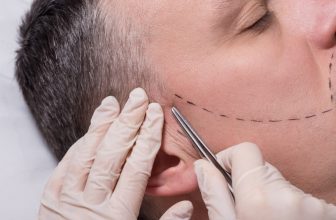
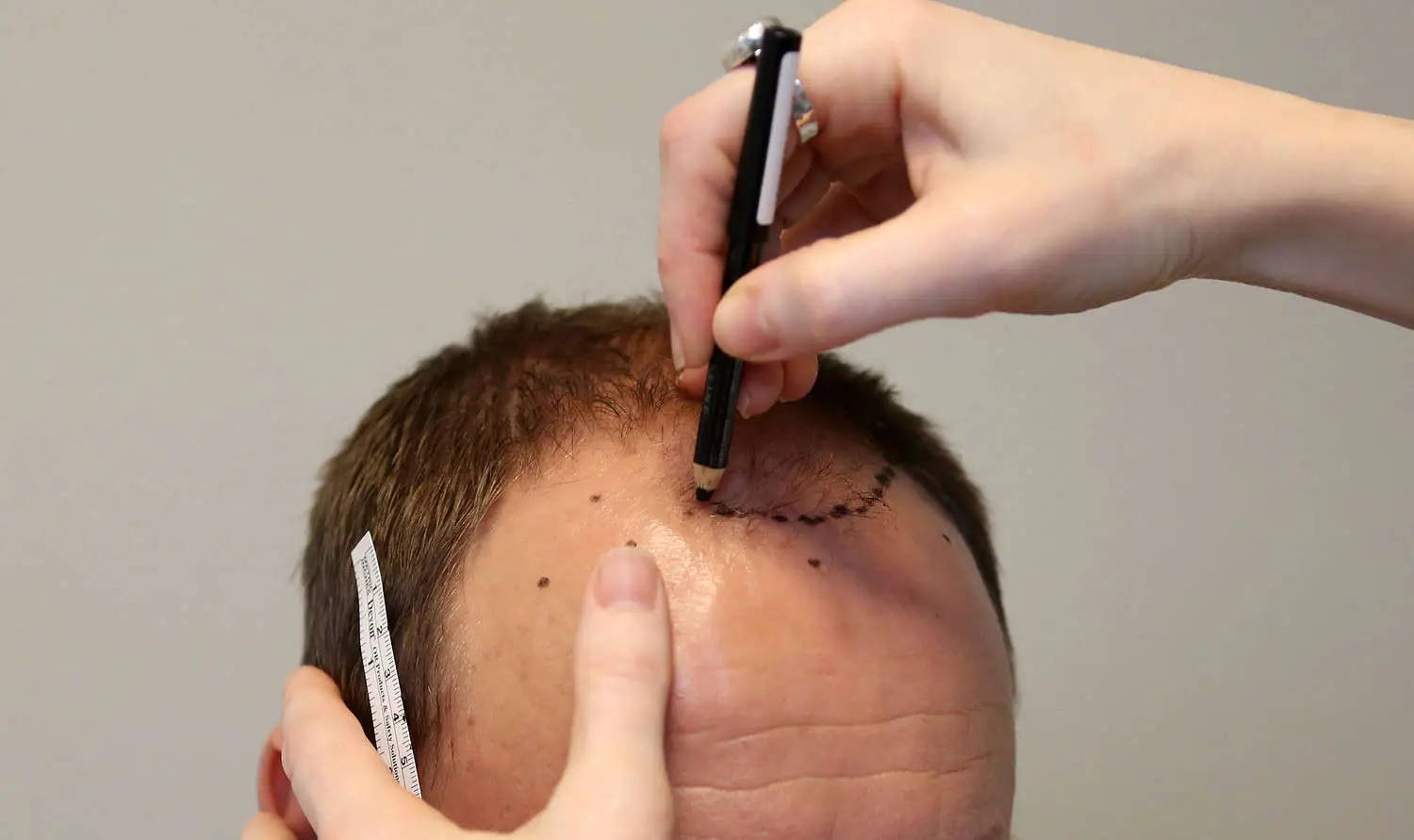
Before surgery, the physician evaluates the cause and pattern of hair loss, the donor area, the recipient area and the likely future progression. The treatment plan should account for the limited number of available donor follicles and avoid excessive harvesting.
During transplantation, follicles are removed from the donor area and placed into planned recipient sites. The procedure is performed using a suitable surgical technique selected by the medical team. The aim is to create coverage that fits the person’s existing hair pattern and long-term expectations.
As with any surgery, the procedure involves preparation and recovery. The cosmetic outcome is not immediate because the transplanted follicles need time to produce visible hair. The exact experience varies according to the extent of treatment, individual healing and the surgical plan.
Recovery and Aftercare After a Hair Transplant
Recovery instructions should be provided by the treating medical team and followed carefully. Aftercare may include guidance on protecting the treated areas, washing the scalp, limiting activities temporarily and attending follow-up appointments. The clinic should explain what is expected during healing and which symptoms require medical review.
Patients should understand that the final appearance develops over time rather than immediately after the procedure. They should also discuss how continuing loss of non-transplanted hair may affect the result. In some cases, medical management of the underlying hair-loss condition may be discussed by the physician before or after surgery, but treatment should be individualized.
Risks and Limitations of Hair Transplantation
Hair transplantation is a surgical procedure and is not risk-free. Potential complications may include scarring, folliculitis, bleeding, infection, necrosis, keloids or shock loss. The likelihood and severity of complications vary according to patient selection, surgical technique, clinical practice and individual healing.
There are also important non-surgical limitations. Donor hair is finite, so overharvesting can reduce the quality of the donor area and limit future options. A transplant cannot guarantee a particular density or prevent future loss of native hair. If the diagnosis is incorrect or an active scarring condition is present, surgery may be inappropriate or have an unpredictable outcome. These issues are why a proper medical assessment is essential.
Practical Considerations for Wigs and Hair Systems
Wigs and hair systems can be convenient because they provide coverage quickly and avoid surgical recovery. They may be useful for people who want a reversible option or who are not ready to commit to surgery. They can also be used while investigating the cause of hair loss.
Users should plan for regular care and replacement. Depending on the design and method of attachment, a system may cause discomfort, scalp occlusion or irritation. Adhesives can produce contact dermatitis in some individuals, and poor fit or styling may affect how natural the result feels or appears. Ongoing costs can also be important when comparing non-surgical coverage with a surgical treatment plan, although the financial commitment differs from person to person.
Any persistent redness, itching, pain, discharge or scalp irritation should be discussed with a qualified healthcare professional. Covering the scalp does not treat an underlying dermatological condition.
Considering Treatment in Turkey
International patients considering treatment in Turkey should begin with diagnosis and candidacy, not only with the advertised procedure. Ask who will perform the medical assessment and surgery, how the donor area will be evaluated, how future hair loss will be considered and what follow-up care is available after returning home.
Before travelling, provide complete information about your medical history, medications, previous hair treatments and the progression of hair loss. If the diagnosis is uncertain, rapidly changing or associated with scalp inflammation or scarring, a medical evaluation should take priority over booking surgery. Patients should also receive clear written information about preparation, recovery, possible complications and arrangements for medical support after treatment.
Which Option Is Better for You?
A hair transplant may be worth discussing if you have a confirmed diagnosis, adequate donor hair, a healthy scalp, sufficiently stable loss and realistic expectations about gradual, long-term coverage. It may be less suitable when hair loss is extensive or unstable, donor supply is limited, or surgery does not fit your personal priorities.
A wig or hair system may be the more practical choice if immediate coverage is important, you want to avoid surgery, your loss is widespread or changing, or you do not have sufficient donor hair. Some people use a hair system initially and later consider transplantation; others prefer non-surgical coverage permanently. These options can also be complementary rather than mutually exclusive.
The best decision is the one that fits your diagnosis, goals, health, lifestyle, tolerance for maintenance and expectations. A qualified physician can help determine whether transplantation is medically appropriate, while an experienced hair-system provider can help assess fit, attachment and day-to-day practicality.
Frequently Asked Questions
Does a hair transplant create new hair?
No. A transplant redistributes existing follicles from a donor area to a recipient area. Because donor follicles are limited, treatment planning is important.
Can a wig stop hair loss?
No. A wig or hair system provides cosmetic coverage but does not treat the underlying cause, stop progression or regrow hair.
Is a hair transplant permanent?
Transplanted hair may provide durable coverage in suitable patients, but the overall appearance can change if untreated native hair continues to thin. Future treatment may be considered in some cases.
Can everyone with visible hair loss have a transplant?
No. Candidacy depends on the diagnosis, donor-hair supply, scalp health, stability of loss, general medical suitability and expectations. A qualified physician must make this assessment.
Medical References
- A hair transplant can give you permanent, natural-looking results — American Academy of Dermatology.
- Hair loss: Diagnosis and treatment — American Academy of Dermatology.
- Is Every Patient of Hair Loss a Candidate for Hair Transplant?—Deciding Surgical Candidacy in Pattern Hair Loss — Indian Journal of Plastic Surgery; International Society of Hair Restoration Surgery author.
- Hair Transplant Practice Guidelines — Indian Association of Dermatologists, Venereologists and Leprologists.
- Role of Hair Prostheses (Wigs) in Patients with Severe Alopecia Areata — Korean Dermatological Association and Korean Society for Investigative Dermatology.
- Female-pattern hair loss: therapeutic update — Peer-reviewed review in PMC.