Written by: Estexper Medical Editorial Team
Medically reviewed by: Kafkas Celik, MD
Weight-loss surgery can offer important health benefits for carefully selected patients, but it also requires lifelong attention to nutrition and follow-up care. One concern that deserves discussion is skeletal health, including changes in bone mineral density, vitamin D levels, calcium balance and bone turnover.
In Short
Both sleeve gastrectomy and Roux-en-Y gastric bypass (RYGB) can contribute to bone loss, but this does not mean every patient develops osteoporosis. RYGB generally appears to have a greater effect on bone mineral density and fracture risk because it includes a malabsorptive component. Long-term nutrition, supplementation, physical activity and medical monitoring are important after either procedure.
How Can Bariatric Surgery Affect Bone Health?
Bone is living tissue that continuously undergoes remodeling. Older bone is broken down and replaced with new bone. This process is influenced by mechanical loading, hormones, protein intake, calcium, vitamin D and other nutritional factors.
After bariatric surgery, several changes may affect this balance:
- Rapid or substantial weight loss: Reduced body weight can decrease the mechanical loading placed on the skeleton. Changes in body composition and activity may also influence bone remodeling.
- Lower calcium and vitamin D absorption: This is particularly important after RYGB, which changes the digestive pathway and has a malabsorptive component.
- Reduced food intake: Smaller meals may make it harder to obtain adequate protein, calcium and vitamin D without carefully planned supplementation.
- Changes in bone turnover: Studies have reported increases in bone-turnover markers after both procedures.
- Nutritional deficiencies: Low vitamin D or calcium status can contribute to higher parathyroid hormone levels, which may affect bone metabolism.
These factors can lead to reductions in bone mineral density (BMD). A lower BMD does not automatically mean that a person has osteoporosis. Osteoporosis is assessed using the complete clinical picture, including bone density results, age, fracture history and other risk factors.
Sleeve Gastrectomy and Bone Density
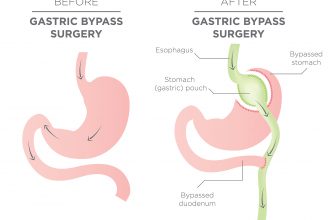
Sleeve gastrectomy removes a portion of the stomach and reduces its capacity. It generally causes less intestinal malabsorption than RYGB, but it can still be followed by changes in skeletal health.
A systematic review and meta-analysis of 22 studies found significant reductions in total-hip and femoral-neck BMD after sleeve gastrectomy. Lumbar-spine BMD did not show a significant change in that analysis. Other prospective research has reported ongoing total-hip bone loss during three years of follow-up after sleeve gastrectomy.
These findings may be related to weight loss, reduced food intake, changes in calcium and vitamin D status, and changes in bone metabolism. The contribution of each factor can differ from one patient to another.
Sleeve gastrectomy should not be described as risk-free for bone health. It may have a lower skeletal risk than gastric bypass for many patients, but ongoing supplementation, blood tests, physical activity and medical review remain important.
Gastric Bypass and Osteoporosis Risk
Roux-en-Y gastric bypass is associated with more pronounced changes in calcium and vitamin D absorption than sleeve gastrectomy. This is one reason why RYGB generally appears to carry a greater risk of bone mineral density reduction and fractures.
A 2024 systematic review and meta-analysis found that, during the first 12 to 24 months, RYGB was associated with greater reductions in BMD at several skeletal sites than sleeve gastrectomy. At 24 months, RYGB was also associated with lower 25-hydroxyvitamin D and higher parathyroid hormone levels compared with sleeve gastrectomy.
A separate prospective 36-month study reported continuing total-hip bone loss after both RYGB and sleeve gastrectomy, with greater losses after RYGB. Bone-turnover markers also increased, supporting the need for close postoperative monitoring.
These findings show an increased risk of bone loss and altered bone metabolism; they do not prove that every person who undergoes gastric bypass will develop osteoporosis. The actual outcome depends on individual factors and how effectively nutritional needs are managed over the long term.
Sleeve Gastrectomy vs Gastric Bypass: Which Is Riskier for Bones?
| Factor | Sleeve gastrectomy | Roux-en-Y gastric bypass |
|---|---|---|
| Bone mineral density | Can decrease, especially at the hip and femoral neck | Often shows greater reductions at several sites |
| Malabsorption | Generally less intestinal malabsorption | Has a malabsorptive component affecting nutrient absorption |
| Vitamin D and parathyroid hormone | May change after surgery | Greater risk of lower vitamin D and higher parathyroid hormone has been reported |
| Fracture risk | May increase over time | Appears higher than after sleeve gastrectomy in observational evidence |
| Long-term care | Requires lifelong nutrition and follow-up | Requires lifelong nutrition and particularly careful monitoring |
Overall, available evidence suggests that RYGB usually has a greater effect on bone health than sleeve gastrectomy. However, procedure choice should not be based on bone health alone. A qualified bariatric physician and multidisciplinary team should consider the patient’s overall health, nutritional status, weight-related conditions, treatment goals and personal risk factors.
Does Bariatric Surgery Directly Cause Osteoporosis?
It is important to use precise language. Research provides stronger evidence for postoperative bone loss, changes in bone-turnover markers and increased fracture risk than for the claim that bariatric surgery directly causes osteoporosis in every patient.
The European Calcified Tissue Society reports that observational studies associate bariatric surgery with approximately a 21% to 44% higher risk of all fractures. Risk appears to increase over time and may be highest after procedures with a malabsorptive component. These findings are significant, but observational studies have limitations and cannot explain every individual outcome.
Clinical osteoporosis is assessed using factors such as bone density, previous fragility fractures, age and other medical risks. A person may have some reduction in BMD without meeting criteria for osteoporosis. Conversely, someone with additional risk factors may need evaluation even if they feel well, because low bone density often has no symptoms until a fracture occurs.
Who May Have a Higher Risk of Bone Loss?
Bone health after surgery is influenced by more than the procedure itself. Potentially important factors include:
- Low bone mineral density before surgery
- Older age or postmenopausal status
- Previous low-trauma or fragility fractures
- Vitamin D, calcium or protein deficiency
- Very rapid or substantial weight loss
- Limited physical activity, especially a lack of resistance or weight-bearing exercise
- Difficulty taking prescribed supplements consistently
- Medical conditions or medicines that already affect bone health
A detailed medical assessment before surgery can help identify modifiable risks. Patients should tell their physician about previous fractures, known low bone density, nutritional problems and any long-term medication use.
How Is Bone Health Monitored After Bariatric Surgery?
Postoperative monitoring should be individualized. Expert guidance emphasizes lifelong follow-up rather than a single blood test or one-time consultation. Depending on the patient’s history and the physician’s assessment, monitoring may include:
- Serum calcium and 25-hydroxyvitamin D
- Parathyroid hormone (PTH)
- Alkaline phosphatase
- Albumin and other nutritional markers
- Assessment of protein intake and supplement adherence
- Bone mineral density testing when clinically appropriate
- Review of fractures, falls, physical activity and other risk factors
The timing and frequency of testing should be decided by the treating team. Bone density screening is not identical for every patient, and the most appropriate plan may depend on age, sex, menopausal status, procedure type, baseline results and laboratory findings.
Calcium, Vitamin D and Protein After Surgery
Calcium and vitamin D are central to postoperative bone care. ASMBS guidance recommends calcium supplementation for all postoperative bariatric patients. For sleeve gastrectomy and RYGB, the cited preventive range is 1,200 to 1,500 mg of calcium daily from all sources. Calcium is generally taken in divided doses, and calcium citrate may be preferred when gastric acid is reduced.
Vitamin D3 is commonly started at 3,000 IU daily and adjusted according to the patient’s serum 25-hydroxyvitamin D level. This is not a substitute for individualized medical advice. Some patients may need a different dose or additional treatment if testing identifies a deficiency.
Protein intake also matters because inadequate protein can make it more difficult to maintain muscle and support overall nutritional health during weight loss. Patients should follow the protein plan provided by their bariatric team and report persistent nausea, vomiting, intolerance or difficulty meeting nutritional targets.
Exercise and Bone Support After Bariatric Surgery
Once the surgical team confirms that activity is safe, gradual movement can support recovery and help patients maintain muscle. Resistance exercise and weight-bearing activity are particularly relevant to skeletal health, although the appropriate type and intensity depend on the individual’s recovery, fitness and medical status.
Patients should progress according to professional advice rather than attempting strenuous exercise too soon. Those with low bone density, balance problems or a history of fractures may need a specially adapted plan. Regular activity should complement, not replace, nutritional monitoring and supplementation.
What Should International Patients Consider in Turkey?
Patients travelling to Turkey for bariatric surgery should plan their follow-up before travelling, not only their operation. Ask the clinic how postoperative blood tests, nutritional reviews and communication with your local doctor will be coordinated after you return home.
Before treatment, request a clear written plan covering supplements, laboratory monitoring, diet, physical activity and symptoms that require medical attention. Keep copies of your operative report, laboratory results and supplement list. Your long-term follow-up may involve both the bariatric team in Turkey and healthcare professionals in your home country.
International patients should also ensure that any pre-existing bone health concerns are discussed before choosing between sleeve gastrectomy and RYGB. A qualified physician must determine whether a procedure is suitable after reviewing the complete medical history.
Frequently Asked Questions
Can sleeve gastrectomy cause osteoporosis?
Sleeve gastrectomy can be followed by reductions in hip and femoral-neck bone mineral density, but this does not mean that every patient develops osteoporosis. Risk is influenced by nutrition, weight loss, activity, age, baseline bone health and follow-up care.
Is gastric bypass worse for bone health than sleeve gastrectomy?
Current evidence generally indicates greater BMD reduction and higher fracture risk after RYGB than after sleeve gastrectomy, likely partly because RYGB has a malabsorptive component. Both procedures still require lifelong monitoring.
Will calcium and vitamin D completely prevent bone loss?
Appropriate supplementation can help prevent or correct nutritional deficiencies, but it cannot guarantee that bone loss will not occur. Exercise, adequate protein, laboratory monitoring and individualized medical review are also important.
Should everyone have a bone density scan after surgery?
Not necessarily. The need for bone mineral density testing depends on individual risk factors, procedure type, age, baseline results and clinical findings. A physician should determine whether and when testing is appropriate.
Key Takeaway
Both sleeve gastrectomy and Roux-en-Y gastric bypass can affect bone mineral density and bone turnover. RYGB generally carries a greater skeletal risk, but sleeve gastrectomy can also be associated with hip bone loss and should not be considered risk-free. Lifelong attention to calcium, vitamin D, protein, physical activity and medical monitoring is important after bariatric surgery.
If you are considering bariatric surgery in Turkey, discuss your personal bone health, nutritional status and long-term follow-up plan with a qualified physician before making a decision.
Explore our Bariatric Surgery services in Turkey for an overview of treatment options and individual assessment.
TREATMENT OPTIONS
Explore Your Treatment Options
Find out more about our services and discuss which options may suit your individual needs.
YOUR NEXT STEP
Discuss Your Questions With Our Team
Request an individual assessment or ask our team about treatment planning and follow-up arrangements.
Medical References
- Short-term effects of Roux-en-Y gastric bypass or gastric sleeve on bone mineral density and calciotropic hormones: a systematic review and meta-analysis. Surgery for Obesity and Related Diseases; indexed in PubMed. Read the source.
- Bariatric surgery and skeletal health: A narrative review and position statement for management by the European Calcified Tissue Society. European Calcified Tissue Society; indexed in PubMed. Read the source.
- American Society for Metabolic and Bariatric Surgery Integrated Health Nutritional Guidelines for the Surgical Weight Loss Patient: 2016 Update. American Society for Metabolic and Bariatric Surgery. Read the guidelines.
- Changes in bone mineral density and bone metabolism after sleeve gastrectomy: a systematic review and meta-analysis. Surgery for Obesity and Related Diseases; indexed in PubMed. Read the source.
- Roux-en-Y gastric bypass and gastric sleeve surgery result in long term bone loss. Journal of Bone and Mineral Research; indexed in PubMed. Read the source.