Medical review: Estexper Medical Editorial Team
Many young adults experiencing hair loss wonder whether they can have a hair transplant under 25. Age alone does not determine eligibility, but pattern hair loss may still be progressing during the early twenties, making long-term planning more difficult.
In Short
A hair transplant under 25 may be possible, but it is usually considered only after a qualified physician has confirmed the cause of hair loss, assessed whether it is progressing and evaluated the donor area. Guidance generally favours medical management and monitoring first when androgenetic alopecia is active, with waiting until approximately 23–25 when feasible. This is a practical reference point rather than an absolute medical or legal cutoff.
Is a Hair Transplant Under 25 Possible?
Yes, a hair transplant may be possible for someone under 25, but younger age can make candidacy more complex. The central issue is not simply whether hair follicles can be transplanted. It is whether the current hair-loss pattern is sufficiently understood to create a responsible and sustainable plan.
In androgenetic alopecia, commonly called male or female pattern hair loss, genetically susceptible follicles gradually become thinner, or miniaturised. This process can continue after transplantation. Transplanted follicles may be relatively resistant to this type of loss, but untreated native hair around them may continue to recede or thin. If surgery is performed too early, the patient may later develop visible gaps between transplanted and non-transplanted hair.
Published hair-transplant practice guidance generally recommends avoiding early surgery for progressive androgenetic alopecia and waiting until approximately 23–25 when possible. The evidence for a specific age threshold is limited and is based largely on clinical guidance and expert consensus rather than high-level trials. Therefore, 25 should be understood as a practical reference point, not an automatic rule that applies to every patient.
Why Hair-Loss Progression Matters More Than Age
Hair loss during the early twenties may not yet show its eventual pattern. A receding hairline, thinning crown or diffuse reduction in density can progress over time, and the direction of progression may be difficult to predict from a single consultation.
A transplant uses a limited supply of donor hair, usually from the more resistant region at the back and sides of the scalp. This donor supply must be planned carefully over a lifetime. If too many grafts are used at a young age, fewer may remain for possible future areas of loss. If the original hair-loss pattern is underestimated, the patient may face further procedures or an uneven appearance later.
Hair transplantation does not treat the underlying progression of androgenetic alopecia. It redistributes selected follicles to areas with reduced density, but it does not prevent untreated hair from becoming thinner. For this reason, a long-term plan may include continued medical management and periodic monitoring after surgery.
Signs that loss may still be active
A physician may consider hair loss potentially unstable when there is recent or rapidly increasing recession, increasing thinning at the crown, substantial miniaturisation or a changing pattern in photographs. These factors do not automatically rule out surgery, but they may support a period of treatment and observation first.
For patients with active progression or significant miniaturisation, hair-transplant candidacy guidance describes medical therapy and monitoring for approximately 6–12 months before considering surgery. The exact duration should be determined clinically and may vary according to the diagnosis, response and patient circumstances.
When Might Someone Under 25 Be Considered?
Younger patients may be considered in selected circumstances, but the decision requires more than a request for a lower hairline or increased density. Practice guidance does not recommend transplantation for patients younger than 21 and describes limited exceptions for selected patients aged 21–23. These exceptions may include advanced hair loss, severe psychological distress, certain professional needs or stable scarring or tractional alopecia, provided that detailed counselling has taken place.
Even in these situations, surgery is not automatically appropriate. A qualified physician should confirm the diagnosis, assess whether the condition is stable, review the donor area and explain how future hair loss could affect the result. The patient should also understand that a transplant may be one part of a long-term plan rather than a complete cure.
Diagnosis Should Come Before Surgery
Not every type of hair loss should be approached with transplantation. Hair shedding or thinning may be related to temporary shedding, alopecia areata, inflammatory or scarring alopecia, nutritional problems, hormonal disorders or other medical conditions. These causes may require different treatment, and some may make transplantation inappropriate or require the condition to be controlled first.
A consultation should therefore establish what is causing the hair loss rather than assuming that every case is pattern baldness. The assessment may include a medical history, examination of the scalp, review of the pattern and discussion of previous changes. The physician may also assess follicle miniaturisation and the quality and stability of the donor area.
International patients considering treatment in Turkey should be cautious about arranging surgery based only on photographs or a short online conversation. Remote assessments can be useful for an initial discussion, but final suitability should be confirmed by a qualified physician. A clear plan should explain the diagnosis, whether treatment should begin before surgery and how future hair loss will be managed.
Why Medication May Be Recommended First
Medical treatment may be suggested before surgery to slow progression or improve the density of existing hair. This can help reveal whether the pattern is stabilising and may make it easier to plan any future transplant responsibly. Medical treatment does not cure androgenetic alopecia, and its benefits generally depend on continued use.
Minoxidil
Minoxidil is an established treatment option for some types of pattern hair loss. It may help slow hair loss or improve density in some patients, although results vary and continued treatment is generally needed to maintain benefit. Suitability, formulation and use should be discussed with a clinician.
Finasteride
Oral finasteride is FDA-approved for male pattern hair loss in men. It may help reduce progression in suitable patients, but it is not appropriate for everyone. A physician should review relevant safety information, medical history and whether the treatment is suitable. Benefit generally requires continued use, and stopping treatment may result in loss of the maintained benefit over time.
Medication decisions should be individualised. Patients should not start, stop or change treatment without medical advice. Treatment suitability and safety may differ according to the person, diagnosis and relevant health considerations.
What the Candidacy Assessment Should Review
A responsible consultation for a patient under 25 should consider several factors together:
- Diagnosis: The cause of hair loss should be identified before surgery.
- Progression: The physician should assess whether the loss is stable or still changing.
- Miniaturisation: Thinning of existing follicles can indicate that further loss may occur.
- Donor-area quality: The amount and stability of available donor hair must be evaluated.
- Pattern and design: The planned hairline and coverage should account for possible future recession.
- Expectations: The patient should understand what transplantation can and cannot achieve.
- Long-term planning: The plan should consider medical treatment, monitoring and the possibility of future hair loss.
A young patient may have a strong donor area but still be unsuitable for immediate surgery if the recipient area is continuing to change. Conversely, a patient with a stable non-androgenetic cause, such as certain trauma-related scarring, may be assessed differently. The diagnosis and stability of the condition remain essential.
What Happens If Surgery Is Recommended?
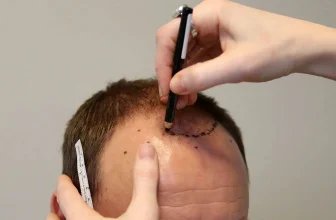
If a physician concludes that surgery is appropriate, the consultation should include a discussion of the proposed treatment area, donor availability, expected coverage and the possibility of future changes. The hairline should be designed with long-term considerations in mind rather than solely according to the patient’s current appearance.
The procedure involves moving selected donor follicles to areas affected by hair loss. It does not create an unlimited supply of hair and does not prevent further thinning of untreated native follicles. Patients should therefore understand that the result develops over time and must be assessed as part of the wider hair-loss plan.
Recovery instructions will depend on the individual procedure and the clinic’s protocol. Patients should follow the medical team’s advice about scalp care, activity, medications and follow-up. Those travelling internationally should also plan enough time for consultation and appropriate post-procedure communication rather than treating surgery as a brief, isolated appointment.
Risks of Having a Transplant Too Early
The main concern with early transplantation is not simply the immediate surgical recovery. It is the possibility that continuing hair loss may compromise the overall appearance in the future. Native hair may recede behind the transplanted area, the original pattern may become clearer later, and the limited donor supply may be more difficult to manage.
Other concerns include unrealistic expectations, an unnecessarily low or overly dense hairline and the possibility that medical treatment was not given enough time to work. A transplant may also be unsuitable if the diagnosis is uncertain or if the scalp condition is active.
These risks do not mean that every patient under 25 should be refused. They explain why careful selection, realistic counselling and long-term planning are particularly important in this age group.
Questions to Ask Before Booking Treatment in Turkey
- What is the confirmed cause of my hair loss?
- Is my hair loss stable, or is it still progressing?
- Should I try medical treatment and monitoring before surgery?
- How has the stability of my donor area been assessed?
- What may happen if my native hair continues to thin?
- How will the proposed design account for possible future recession?
- What follow-up will be available after I return home?
Patients should receive clear answers rather than an immediate promise of treatment. A suitable clinic should be willing to explain when waiting is safer and why a particular plan has been recommended.
Frequently Asked Questions
Is 25 too young for a hair transplant?
Not necessarily. Approximately 23–25 is often used as a practical age range when waiting is feasible, but age is not an absolute cutoff. Diagnosis, progression, donor stability and expectations are more important than age alone.
Can someone aged 21 or 22 have a transplant?
Some carefully selected patients aged 21–23 may be considered, particularly with advanced loss, severe psychological impact, certain professional needs or stable non-androgenetic hair loss. This requires detailed medical assessment and counselling.
Should I try medication before a transplant?
Often, yes, especially when hair loss is active or miniaturisation is substantial. A period of medical therapy and monitoring, sometimes around 6–12 months, may help assess progression and response before surgery is considered.
Will a transplant stop future hair loss?
No. Transplantation moves selected follicles but does not stop the progression of androgenetic alopecia in untreated native hair. Ongoing medical management may be recommended for suitable patients.
Can I book surgery from abroad based on photographs?
Photographs may support an initial review, but they do not replace a full clinical assessment. Final suitability should be determined by a qualified physician after confirming the diagnosis and assessing the donor and recipient areas.
Conclusion
A hair transplant under 25 can be appropriate in selected cases, but early surgery requires careful judgement. The priority should be confirming the diagnosis, understanding whether hair loss is still progressing, assessing donor-area stability and considering medication and monitoring first.
For many young patients with androgenetic alopecia, waiting until the pattern becomes clearer may support a more predictable long-term plan. For others, particularly those with advanced or stable non-androgenetic hair loss, surgery may be discussed earlier. At Estexper Clinic, individual suitability should be determined by a qualified physician after a complete assessment and realistic discussion of future hair loss.
Explore our Hair Transplant services in Turkey for an overview of treatment options and individual assessment.
TREATMENT OPTIONS
Explore Your Treatment Options
Find out more about our services and discuss which options may suit your individual needs.
YOUR NEXT STEP
Discuss Your Questions With Our Team
Request an individual assessment or ask our team about treatment planning and follow-up arrangements.
Medical References
- Hair Transplant Practice Guidelines — Journal of Cutaneous and Aesthetic Surgery; PubMed Central.
- Is Every Patient of Hair Loss a Candidate for Hair Transplant?—Deciding Surgical Candidacy in Pattern Hair Loss — Indian Journal of Plastic Surgery; PubMed Central.
- Hair loss: Diagnosis and treatment — American Academy of Dermatology.
- Treatment of Androgenetic Alopecia: Current Guidance and Unmet Needs — Dermatology and Therapy; PubMed Central.
- PROPECIA (finasteride) Prescribing Information — U.S. Food and Drug Administration.
- Hair loss — NHS.