Written by: Estexper Medical Editorial Team
Medically reviewed by: Mehmet Kaya, MD
If you are considering bariatric surgery in Turkey, you may be asked to have a gastroscopy before your operation. Gastroscopy, also called upper gastrointestinal endoscopy or esophagogastroduodenoscopy, allows a specialist to examine the inside of the esophagus, stomach, and duodenum.
In Short
Gastroscopy is commonly recommended before bariatric surgery in Turkey, and the 2025 Turkish consensus report recommends upper gastrointestinal endoscopy before bariatric or metabolic surgery. It can identify upper digestive conditions that may need treatment or affect the surgical plan. International guidance varies, so the need for gastroscopy should still be confirmed by your bariatric team based on your symptoms, medical history, and planned procedure.
Whether it is necessary depends on several factors, including Turkish clinical protocols, your symptoms and medical history, the type of bariatric surgery planned, and your surgeon’s assessment. Although the Turkish consensus recommends preoperative endoscopy, international guidance is not completely uniform, and some organizations support a more individualized or selective approach.
What Is Gastroscopy?
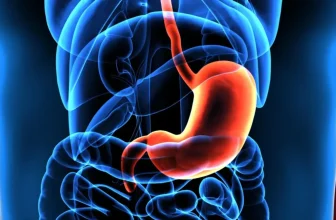
Gastroscopy is an examination performed with a thin, flexible camera called an endoscope. The endoscope is passed through the mouth to inspect the upper digestive tract. It can help identify inflammation, ulcers, reflux-related damage, anatomical changes, and other conditions that may affect bariatric surgery planning.
During the examination, the doctor may also take small tissue samples, known as biopsies, when clinically appropriate. These samples can help assess certain findings, including suspected Barrett’s esophagus, inflammation, or Helicobacter pylori infection.
The examination is different from a routine imaging scan because it allows the specialist to directly view the lining of the upper digestive system. It is usually performed according to the instructions of the treating clinic, which may include fasting and guidance about regular medicines or sedation.
Is Gastroscopy Mandatory Before Bariatric Surgery in Turkey?
There is no single international rule stating that every bariatric surgery patient must have a gastroscopy. Recommendations vary between professional organizations because the available evidence is heterogeneous and generally considered to have low or very low certainty.
The 2025 Turkish consensus report recommends upper gastrointestinal endoscopy before bariatric or metabolic surgery to evaluate the esophagus, stomach, and duodenum. As a result, many patients preparing for bariatric surgery in Turkey may be advised to undergo the test as part of their preoperative assessment.
Some international guidance supports routine or strongly considered endoscopy, while other guidance recommends selecting patients according to symptoms, risk factors, previous gastrointestinal problems, and the planned operation. The International Federation for the Surgery of Obesity and Metabolic Disorders has also emphasized that endoscopy should be considered before metabolic bariatric surgery, while noting limitations in the current evidence.
In practice, gastroscopy is commonly recommended in Turkey, but whether it is appropriate for you should be confirmed by your bariatric team after reviewing your individual circumstances.
Why Is Gastroscopy Recommended Before Bariatric Surgery?
The purpose of a preoperative gastroscopy is not only to investigate symptoms. It may identify conditions that are silent or that could influence the timing and type of surgery.
Identifying reflux and esophageal disease
Gastroscopy can detect reflux esophagitis, inflammation, and changes such as Barrett’s esophagus. These findings are particularly relevant when sleeve gastrectomy is being considered because reflux-related problems may influence the discussion about the most suitable procedure.
Assessing a hiatal hernia
A hiatal hernia can be associated with reflux and may be identified during upper gastrointestinal assessment. If present, it may affect the surgical plan or require discussion during the operation, depending on the individual case and the surgeon’s approach.
Finding ulcers or inflammation
Peptic ulcers, gastritis, and other abnormalities may require treatment or further investigation before surgery. Findings can help the team decide whether surgery should proceed as planned or be reassessed.
Testing for Helicobacter pylori
Helicobacter pylori is a type of bacteria associated with certain stomach conditions. If testing or biopsy identifies the infection, the medical team may recommend treatment before bariatric surgery according to the patient’s circumstances and local protocol.
Ruling out suspicious lesions
Rarely, endoscopy may identify a suspicious lesion or another serious abnormality. Further evaluation may then be required before any elective bariatric procedure is considered. This is one reason why the test can be valuable even when a patient has few or no digestive symptoms.
Who Is More Likely to Need Gastroscopy?
Your bariatric team may be especially likely to recommend gastroscopy if you have one or more of the following:
- Persistent heartburn, acid reflux, nausea, vomiting, or upper abdominal discomfort
- Difficulty or pain when swallowing
- Unexplained anemia or gastrointestinal bleeding
- A history of ulcers, gastritis, Barrett’s esophagus, or other stomach or esophageal disease
- Previous stomach or upper gastrointestinal surgery
- Known or suspected Helicobacter pylori infection
- Risk factors or findings that raise concern about the upper digestive tract
- A planned procedure for which future access to parts of the stomach may be difficult
However, symptoms alone are not a perfect screening method. Important findings may occasionally be present in people who do not report gastrointestinal symptoms. This is why some centers follow a routine endoscopy policy, while other healthcare systems use a more selective approach.
Does the Planned Bariatric Operation Matter?
Yes. The choice of bariatric procedure is an important part of the decision.
Before Roux-en-Y gastric bypass or one-anastomosis gastric bypass, gastroscopy may be particularly relevant because parts of the stomach may become difficult or impossible to examine using conventional endoscopy after surgery. Knowing about ulcers, inflammation, anatomical abnormalities, or other conditions in advance may help the surgeon plan appropriately.
Reflux and Barrett’s esophagus are especially important when sleeve gastrectomy is being considered. The result of the examination may lead the team to discuss whether sleeve gastrectomy remains suitable, whether another procedure should be considered, or whether treatment and reassessment are needed first.
A gastroscopy does not automatically determine which operation you will receive. It is one part of a broader assessment that may include your medical history, weight-related health conditions, nutritional evaluation, blood tests, imaging, and discussions with the surgical team.
What Can Happen After the Gastroscopy?
The result may be normal, or it may identify an issue that needs attention. Possible outcomes include:
- No significant abnormality: The bariatric team can continue planning based on the rest of your assessment.
- A condition requiring treatment: For example, the team may recommend treatment for an ulcer, inflammation, reflux-related disease, or Helicobacter pylori before surgery.
- A change in the planned procedure: Findings may influence the discussion between sleeve gastrectomy and gastric bypass.
- Further investigation: Biopsy results or a suspicious finding may require additional specialist review.
- Delay of surgery: In some situations, surgery may need to be postponed until a condition has been evaluated or treated.
Research summarized in the 2025 IFSO position statement found abnormal findings in approximately 61% of patients undergoing preoperative upper gastrointestinal endoscopy. Fewer than 1% had a finding that prevented metabolic bariatric surgery altogether. Approximately 35% required treatment and approximately 23% had a change in the planned procedure type in the reviewed evidence. These figures should be interpreted carefully because the studies varied substantially and had important limitations. An abnormal finding does not necessarily mean that surgery will be cancelled.
How Should International Patients Prepare?
If you are travelling to Turkey for bariatric surgery, ask the clinic in advance whether gastroscopy is included in your preoperative plan and when it will be performed. You should also ask whether previous endoscopy results can be reviewed or whether a new examination is required.
Provide the medical team with a complete history of:
- Previous endoscopies and biopsy results
- Reflux, swallowing problems, ulcers, bleeding, or abdominal symptoms
- Previous stomach or esophageal procedures
- All medicines, including anticoagulants and medicines for diabetes
- Known allergies and relevant long-term health conditions
Follow the clinic’s instructions about fasting, medication, transportation, and sedation. If sedation is used, you may need someone to accompany you afterwards, and you should not make independent travel arrangements without confirming the clinic’s advice.
International patients should also ensure that endoscopy reports, biopsy results, and treatment recommendations are provided in a language the bariatric surgeon can understand. If a previous examination identified a significant condition, send the documentation to the clinic before travelling whenever possible.
What Are the Risks and Limitations?
Gastroscopy is widely used, but it is still a medical procedure. The healthcare team should explain its potential risks, including discomfort, reactions related to sedation, bleeding after a biopsy, or injury to the digestive tract. Serious complications are uncommon, but your personal risk may depend on your health and the reason for the examination.
The test also has limitations. A normal gastroscopy cannot answer every question about digestive health, and an abnormal result does not always change the operation. The current research is not strong enough to prove that routine endoscopy improves outcomes for every bariatric surgery patient. This is why some professional guidance recommends an individualized approach.
Questions to Ask Your Bariatric Team
Before travelling or scheduling surgery, consider asking:
- Do you recommend gastroscopy in my case, and why?
- Is the examination required by your clinic or recommended under Turkish consensus guidance?
- Could the result affect the choice between sleeve gastrectomy and gastric bypass?
- Will biopsies or Helicobacter pylori testing be performed if appropriate?
- What preparation, fasting, medication, and sedation instructions should I follow?
- How will abnormal findings affect the timing of surgery?
- Who will review the report and explain the results to me?
Conclusion: Do You Need a Gastroscopy?
For patients planning bariatric surgery in Turkey, gastroscopy is commonly recommended and supported by the 2025 Turkish consensus report. It can identify reflux-related disease, Barrett’s esophagus, hiatal hernia, ulcers, Helicobacter pylori infection, and other upper gastrointestinal problems that may require treatment or influence the surgical plan.
At the same time, gastroscopy is not governed by one universal international rule. The evidence remains mixed, and some guidelines support selective testing based on symptoms, risk factors, previous disease, and the planned procedure. Your suitability for gastroscopy and bariatric surgery must therefore be determined by a qualified physician after reviewing your complete medical information.
If you are considering treatment at Estexper Clinic, discuss the recommended preoperative investigations with the bariatric surgery team before making travel arrangements. A clear plan can help ensure that any relevant findings are addressed before surgery and that the proposed procedure is appropriate for your individual needs.
Explore our Bariatric Surgery services in Turkey for an overview of treatment options and individual assessment.
TREATMENT OPTIONS
Explore Your Treatment Options
Find out more about our services and discuss which options may suit your individual needs.
YOUR NEXT STEP
Discuss Your Questions With Our Team
Request an individual assessment or ask our team about treatment planning and follow-up arrangements.
Medical References
- Türkiye Consensus Report on the Multidisciplinary Obesity Treatment in Adults — Turkish multidisciplinary obesity-treatment professional organizations; published by S. Karger AG and indexed in PMC.
- International Federation for Surgery for Obesity and Metabolic Disorders Position Statement on the role of Upper Gastrointestinal Endoscopy Before and After Metabolic Bariatric Surgery — International Federation for Surgery for Obesity and Metabolic Disorders, Obesity Surgery.
- Gastro-esophageal diagnostic workup before bariatric surgery or endoscopic treatment for obesity: position statement of the International Society of Diseases of the Esophagus — International Society of Diseases of the Esophagus, Diseases of the Esophagus.
- Clinical practice guidelines of the European Association for Endoscopic Surgery on bariatric surgery: update 2020 — European Association for Endoscopic Surgery, endorsed by IFSO-EC, EASO and ESPCOP.
- Preoperative Oesophagogastroduodenoscopy and the Effect on Bariatric Surgery: a Systematic Review and Meta-Analysis — Peer-reviewed systematic review and meta-analysis indexed in PubMed.
- ASMBS position statement on the rationale for performance of upper gastrointestinal endoscopy before and after metabolic and bariatric surgery — American Society for Metabolic and Bariatric Surgery, Surgery for Obesity and Related Diseases.