Written by: Estexper Medical Editorial Team
Medically reviewed by: Fatih Karaca, MD
Patients sometimes ask whether bariatric surgery can be undone after reflux, nutritional problems, weight recurrence, inadequate weight loss, or other complications. The answer depends mainly on the original operation and the reason further treatment is being considered.
In Short
- Sleeve gastrectomy is generally permanent because part of the stomach has been removed; later surgery usually involves conversion or revision rather than restoration of the original stomach.
- Roux-en-Y gastric bypass can sometimes be reversed toward normal anatomy, but this is rare, complex and generally reserved for selected patients with serious complications.
- Many patients need a revision, endoscopic treatment, nutritional intervention or medical management rather than a true reversal.
- The appropriate approach requires an individual assessment by an experienced multidisciplinary bariatric team.
A Roux-en-Y gastric bypass may be surgically reversed in selected cases, but this is uncommon, technically difficult and associated with significant risks. In many situations, the more appropriate option is not reversal but revision surgery, which changes the existing anatomy to address a specific problem.
This article explains the difference between reversal and revision, the possible options after sleeve gastrectomy or gastric bypass, and the issues international patients should discuss with an experienced multidisciplinary bariatric team at Estexper Clinic.
What is the difference between reversal and revision?
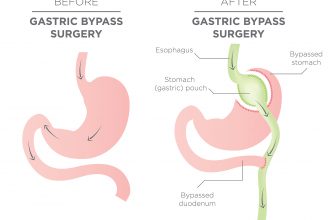
Reversal aims to restore anatomy closer to its pre-surgery state. This is most often discussed after Roux-en-Y gastric bypass, where the stomach pouch, gastric connections and intestinal pathways may potentially be reconstructed. Reversal is rare and is usually considered only when a serious, persistent problem cannot be managed with medical, nutritional, endoscopic or other surgical measures.
Revision does not attempt to return the digestive system fully to its original anatomy. Instead, it modifies or converts the existing operation. Revision may be considered for severe reflux after sleeve gastrectomy, inadequate weight loss, weight recurrence, a narrowed connection, a leak, nutritional complications or other functional problems.
The distinction matters because a patient asking whether surgery can be “reversed” may instead need an evaluation for a revision procedure or non-surgical treatment. The appropriate option depends on the original operation, current symptoms, anatomy, nutritional status, medical history and treatment goals.
Can a sleeve gastrectomy be reversed?
In most cases, no. Sleeve gastrectomy is considered essentially permanent because a large portion of the stomach has been surgically removed. The remaining stomach cannot usually be restored to the same size and shape it had before surgery.
If problems develop after a sleeve, surgeons may consider conversion to another bariatric procedure rather than a true reversal. Common revision pathways include:
- Conversion to Roux-en-Y gastric bypass: This is often considered when reflux is severe and does not respond adequately to appropriate medical management, or when weight loss has been insufficient or weight has returned.
- Re-sleeve: In selected patients, part of the sleeve may be revised if the existing anatomy contributes to inadequate restriction. Suitability depends on imaging, endoscopy, the shape of the sleeve, nutritional factors and the reason for the original outcome.
- SADI-S or another bypass-type procedure: These options may be considered in carefully selected cases, particularly when additional metabolic or weight-loss effects are required. They create different nutritional considerations and require detailed long-term follow-up.
Evidence comparing revision procedures after sleeve gastrectomy remains limited and heterogeneous. There are few randomized studies, so the choice should be individualized rather than based on a single standard pathway.
When is sleeve-to-gastric bypass conversion considered?
Conversion from sleeve gastrectomy to Roux-en-Y gastric bypass is a recognized revision option, particularly for medically refractory gastroesophageal reflux. Before surgery, the cause and severity of symptoms should be investigated. Evaluation may include review of previous operation reports, endoscopy, imaging and other tests selected by the treating physician.
Conversion may also be considered for inadequate weight loss or weight recurrence after sleeve gastrectomy. However, revision surgery is more complex than primary bariatric surgery and may have a higher complication risk. It should be considered only after dietary, behavioral, medical, anatomical and nutritional factors that may contribute to the problem have been reviewed.
For international patients considering treatment in Turkey, it is important to provide the clinic with previous medical records, operative reports, medication lists, laboratory results, endoscopy reports and imaging whenever available. A remote assessment can help determine whether an in-person consultation is appropriate, but final suitability requires examination and specialist evaluation.
Can a Roux-en-Y gastric bypass be reversed?
In selected patients, Roux-en-Y gastric bypass can sometimes be surgically reversed or reconstructed toward normal anatomy. However, this is uncommon and technically challenging. Scar tissue, altered anatomy, previous complications and the need to reconnect sections of the digestive tract can make the operation substantially more complex than the original surgery.
Reversal is generally considered only for serious or disabling problems, such as:
- Severe or persistent malnutrition that cannot be corrected with appropriate nutritional treatment
- Refractory marginal ulceration
- Severe dumping syndrome that remains disabling despite other management
- Certain serious functional or anatomical complications
Not every patient with these symptoms is a candidate for reversal. The risks and possible benefits must be assessed by a team experienced in complex revisional bariatric surgery. Published evidence is based mainly on retrospective studies and case series, and indications and techniques are not fully standardized.
A systematic review of 46 patients reported postoperative morbidity in 42% after gastric bypass reversal, while symptoms improved or resolved in 82% of patients. More recent multicenter data indicate that reversal is performed in fewer than 0.1% of secondary metabolic-bariatric procedures and may carry substantially greater morbidity than primary bariatric surgery, including risks of serious complications, reoperation and intensive-care admission.
These findings do not mean that reversal is never appropriate. They show why it should be reserved for carefully selected patients and performed in an appropriately skilled center with nutritional, endoscopic, anesthesia, intensive-care and surgical support.
Revision options after gastric bypass
When weight loss is inadequate or weight recurrence occurs after Roux-en-Y gastric bypass, the appropriate treatment depends on the cause. A surgeon may evaluate the size of the gastric pouch, the gastrojejunal anastomosis, intestinal routing, eating patterns, medications and nutritional status.
Pouch or anastomosis revision
If the pouch or the connection between the pouch and intestine has enlarged, surgical revision may be considered in selected patients. The purpose is to modify anatomy that may be contributing to reduced restriction or altered food passage. As with any revisional operation, risks may be higher than with the original procedure.
Endoscopic outlet reduction
Endoscopic treatments, such as transoral outlet reduction or argon plasma coagulation, may be used in some patients when enlargement of the gastrojejunal outlet is part of the problem. These approaches do not involve abdominal surgery, but their weight-loss effects are generally more modest and may be less durable than those of surgical revision.
Distalization or conversion
Distalization changes how much intestine is involved in nutrient absorption and may be considered in selected cases of inadequate weight loss or weight recurrence. Conversion to another metabolic operation is another possible pathway. These options can increase nutritional risks, so careful assessment and long-term monitoring are essential.
The decision should not be based on weight alone. A patient with nutritional deficiencies, chronic abdominal symptoms or eating difficulties may need a different approach from a patient whose main concern is weight recurrence with otherwise stable health.
How is a possible reversal or revision evaluated?
A detailed evaluation helps clarify whether the problem is related to anatomy, physiology, nutrition, medication, eating behavior or a combination of factors. The assessment may include:
- A complete history of the original operation and any previous revisions
- Review of current symptoms, weight changes, eating tolerance and quality of life
- Physical examination and review of existing medical conditions
- Blood tests to assess nutritional status and other relevant health markers
- Endoscopy or imaging when a leak, ulcer, narrowing, enlarged pouch or outlet problem is suspected
- Review of current medicines, supplements, dietary intake and previous treatments
Patients should ask whether the proposed operation is a true reversal, a conversion or another type of revision. They should also ask what problem the procedure is expected to address, what alternatives have been considered and how nutritional follow-up will be managed afterward.
Preparation for revision or reversal surgery
Preparation varies according to the operation and the patient’s condition. The medical team may first treat deficiencies, control reflux or ulcer disease, address dehydration, optimize existing conditions and review nutritional intake. If symptoms may be managed without surgery, those options should be discussed before proceeding.
Patients traveling internationally should plan for continuity of care before booking treatment. Important questions include who will provide follow-up after returning home, how laboratory monitoring will be arranged, what happens if a complication develops and how communication will take place between the clinic and the patient’s local physician.
Previous operative records are particularly valuable in revisional surgery. If the original anatomy is unclear, the surgeon may need additional investigations before recommending a procedure.
Recovery, aftercare and long-term monitoring
Recovery after revisional or reversal surgery can be more demanding than recovery after primary bariatric surgery because the anatomy has already been altered. Hospital stay, return to normal activity, dietary progression and follow-up schedules depend on the specific procedure and the patient’s clinical course.
After surgery, the care plan may include a staged diet, prescribed supplements, monitoring for dehydration or intolerance, wound care and follow-up consultations. Long-term monitoring is especially important after bypass reversal, distalization or other operations that may affect digestion and nutrient absorption.
Patients should seek urgent medical advice if they develop severe or worsening abdominal pain, persistent vomiting, fever, bleeding, breathing difficulty, inability to maintain fluids or other concerning symptoms. The treating team should provide individualized emergency instructions before discharge.
Risks and limitations
Revisional bariatric surgery and reversal procedures may have a higher risk of complications than primary bariatric surgery. The risk profile depends on the original surgery, the proposed technique, the reason for intervention, scar tissue, general health and the experience of the surgical team. Published multicenter evidence on gastric bypass reversal describes substantial morbidity, including serious complications, reoperation and intensive-care admission in some patients.
Reversal may reduce some bariatric effects and can be followed by weight regain or persistence of obesity-related health problems. A procedure may improve one symptom without resolving every problem. Because the available evidence is limited and based largely on retrospective studies and heterogeneous case series, no operation can guarantee a particular result.
Is bariatric surgery reversal right for you?
There is no single answer that applies to every patient. Sleeve gastrectomy generally cannot be returned to its original anatomy, while gastric bypass reversal is possible only in selected circumstances and carries substantial risks. In many cases, a revision, endoscopic treatment, nutritional intervention, medication plan or combination of approaches may be more appropriate.
The safest approach is a structured consultation with an experienced multidisciplinary bariatric team. At Estexper Clinic, international patients should expect an individualized review of their previous operation, current symptoms, medical records, investigations and long-term follow-up needs before any recommendation is made.
Frequently asked questions
Can sleeve gastrectomy be completely undone?
Usually not. Because part of the stomach has been removed, sleeve gastrectomy is generally permanent. If further treatment is needed, surgeons may consider conversion to another procedure or a selected revision rather than restoring the original stomach.
Is gastric bypass reversal safer than revision?
Not necessarily. Gastric bypass reversal is rare, technically difficult and associated with substantial morbidity. A revision may also be complex, but the most appropriate option depends on the specific complication and the patient’s anatomy and health.
Can revision surgery treat reflux after a sleeve?
Conversion to Roux-en-Y gastric bypass is a recognized option for selected patients with medically refractory reflux after sleeve gastrectomy. Appropriate evaluation is needed before surgery, including assessment of symptoms and underlying anatomy.
Will reversal prevent weight regain?
Reversal may reduce some effects of a previous bypass, but it can also lead to weight regain or persistence of obesity-related conditions. Expected benefits and risks should be discussed individually with the treating surgeon.
Explore our Bariatric Surgery services in Turkey for an overview of treatment options and individual assessment.
TREATMENT OPTIONS
Explore Your Treatment Options
Find out more about our services and discuss which options may suit your individual needs.
YOUR NEXT STEP
Discuss Your Questions With Our Team
Request an individual assessment or ask our team about treatment planning and follow-up arrangements.
Medical References
- Reversal of Roux-en-Y Gastric Bypass: A Multi-Centric Analysis of Indications, Techniques, and Surgical Outcomes — Global Benchmarks in Secondary Bariatric Surgery Collaborative Group; published in Obesity Surgery and available via PubMed Central.
- Reversal to Normal Anatomy After Failed Gastric Bypass: Systematic Review of Indications, Techniques, and Outcomes — Surgery for Obesity and Related Diseases; PubMed.
- SAGES Guidelines for the Management of Comorbidities Relevant to Metabolic and Bariatric Surgery — Society of American Gastrointestinal and Endoscopic Surgeons; Surgical Endoscopy; PubMed Central.
- Indications and Outcomes of Conversion of Sleeve Gastrectomy to Roux-en-Y Gastric Bypass: A Systematic Review and a Meta-analysis — Mayo Clinic and University of Toledo researchers; PubMed.
- American Society for Metabolic and Bariatric Surgery Statement on the Treatment Options for Patients with Non-response and Weight Recurrence After Metabolic and Bariatric Surgery — American Society for Metabolic and Bariatric Surgery; Surgery for Obesity and Related Diseases; PubMed.