Written by: Estexper Medical Editorial Team
Medically reviewed by: Kafkas Celik, MD
Yes, gastric sleeve surgery or Roux-en-Y gastric bypass may be possible after a gastric balloon in selected patients. A gastric balloon is a temporary treatment, whereas sleeve gastrectomy and gastric bypass are surgical options intended to provide longer-term metabolic and weight-management support.
In Short
- A previous gastric balloon does not usually prevent later sleeve gastrectomy or gastric bypass.
- The balloon is removed before surgery or, in carefully selected cases, during the same operative episode.
- There is no universal waiting period after balloon removal; timing depends on the stomach findings, nutritional status, medical conditions, and overall surgical readiness.
- A qualified bariatric surgeon should determine whether surgery and the chosen procedure are appropriate for the individual patient.
Whether surgery is appropriate afterward depends on factors such as body mass index (BMI), obesity-related conditions, reflux symptoms, stomach anatomy, nutritional status, previous balloon-related problems, and overall surgical risk.
At Estexper Clinic, international patients considering treatment in Turkey should receive an individualized assessment rather than assume that a previous balloon automatically makes them suitable—or unsuitable—for surgery. The final decision should be made by a qualified bariatric surgeon after reviewing medical records, examination findings, investigations, and treatment goals.
Can bariatric surgery be performed after a gastric balloon?
Published guidance and clinical studies support metabolic bariatric surgery after intragastric balloon treatment. The American Gastroenterological Association lists bariatric surgery as a possible subsequent weight-loss intervention after balloon removal, with the choice based on the patient’s context, medical conditions, and shared decision-making.
A balloon may be used as a temporary treatment before surgery in some patients, particularly those with severe or super-obesity. Preoperative weight loss may support preparation and risk optimization in selected cases. However, a prior balloon is not required for every bariatric surgery patient, and current evidence does not show that balloon treatment consistently improves long-term surgical outcomes or lowers postoperative complication rates.
The available research supports feasibility, but much of it is observational and focused on patients with very high BMI. These findings cannot automatically be applied to every patient or used to predict an individual outcome.
Why might a gastric balloon be used before surgery?
A gastric balloon can sometimes be considered as a bridge to surgery. It occupies space in the stomach and is intended to support temporary weight loss while the patient prepares for a later procedure.
Possible reasons for using a balloon before bariatric surgery include:
- Supporting preoperative weight reduction in patients with severe or super-obesity
- Allowing time to optimize obesity-related health conditions before surgery
- Creating a staged treatment plan when immediate surgery may involve greater technical or medical risk
These potential reasons do not mean that a balloon is suitable for everyone. A 2025 systematic review and meta-analysis found meaningful preoperative BMI reduction in patients who had a balloon before metabolic bariatric surgery. However, it did not demonstrate a statistically significant improvement in postoperative BMI change or postoperative complication rates compared with patients who proceeded to surgery without a prior balloon.
Gastric sleeve after a gastric balloon
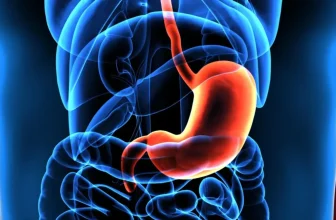
Sleeve gastrectomy removes a substantial portion of the stomach, leaving a narrower stomach. It is one surgical option that may be considered after balloon treatment when the patient’s anatomy, health status, nutritional condition, and treatment goals are appropriate.
Clinical research has reported that sleeve gastrectomy can be performed after a balloon has been removed. One prospective feasibility study described balloon removal and laparoscopic sleeve gastrectomy during the same operative episode in selected patients with super-super obesity. This supports technical feasibility in selected circumstances, but does not mean that simultaneous treatment is appropriate for every patient.
Another prospective cohort compared sleeve gastrectomy in patients with and without a previous intragastric balloon. Although prior balloon treatment was associated with measurable changes in stomach volume and stomach-wall tissue, the researchers did not find a significant difference in surgical complications, weight loss, or other reported postoperative outcomes between the groups.
Before recommending sleeve surgery, the surgeon may consider reflux symptoms, stomach findings after balloon treatment, nutritional status, and other factors that could affect the procedure. The decision should be based on the complete clinical picture rather than the previous balloon alone.
Gastric bypass after a gastric balloon
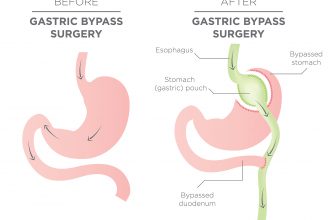
Roux-en-Y gastric bypass is another possible surgical pathway after balloon treatment. It creates a smaller stomach pouch and changes the route through which food passes through the digestive system. Bypass may be considered in selected patients according to BMI, metabolic conditions, reflux status, anatomy, previous treatment, and surgical risk.
A retrospective cohort study evaluated a two-stage approach involving an intragastric balloon followed by Roux-en-Y gastric bypass in patients with a BMI of at least 50 kg/m2. This supports the feasibility of bypass after balloon therapy in selected high-risk patients when staged treatment is considered clinically appropriate.
Bypass is not automatically preferable to sleeve surgery. The choice between these operations requires detailed consultation and consideration of the patient’s medical conditions, reflux symptoms, anatomy, nutritional status, previous procedures, and ability to follow long-term dietary and supplement recommendations.
How soon can surgery be performed after balloon removal?
There is no clearly established universal waiting interval between gastric balloon removal and bariatric surgery. Timing should be individualized rather than determined by a fixed number of days or weeks.
The bariatric team may assess:
- Whether there is evidence of gastric injury, inflammation, or persistent irritation after balloon treatment
- Whether retained stomach contents or another finding could affect procedural safety
- Current nutritional status and the presence of deficiencies
- Weight changes and general readiness for surgery
- Control of obesity-related conditions and other medical risks
In some carefully selected cases, balloon removal and sleeve surgery have been reported during the same operative episode. In other cases, the surgeon may recommend an interval between procedures to allow further assessment and preparation. The appropriate timing depends on the findings at evaluation.
Who may be considered for surgery after a gastric balloon?
Suitability is determined individually. A patient may be considered for sleeve gastrectomy or gastric bypass after balloon treatment when the bariatric team believes that the expected benefits of surgery outweigh the risks and the patient is medically prepared.
The assessment may consider:
- BMI and previous weight change
- Obesity-related conditions, such as type 2 diabetes, high blood pressure, or sleep-related breathing problems
- Reflux symptoms and other upper digestive symptoms
- Findings from balloon removal and relevant investigations
- Nutritional status and possible deficiencies
- Previous abdominal or gastric operations
- The patient’s ability to follow postoperative dietary, supplement, and follow-up requirements
- Travel plans and access to appropriate follow-up care after returning home
A consultation does not guarantee that surgery will be recommended. The surgeon may advise further assessment, additional preparation, or a different treatment sequence if this is considered more appropriate.
What preparation may be needed?
Preparation depends on the individual treatment plan. Patients may be asked to provide previous medical records, balloon placement and removal reports, recent laboratory results, medication details, and information about symptoms or complications experienced during balloon treatment.
The clinic may arrange a surgical consultation and preoperative assessment, including review of weight history, medical conditions, reflux symptoms, previous procedures, current medications, and nutritional status. Additional tests may be recommended when clinically necessary.
Patients with ongoing symptoms or concerns after balloon treatment should discuss them with the treating medical team before elective surgery is planned.
International patients should also have a clear plan for postoperative follow-up and communication with the treating bariatric team and an appropriate clinician in their home country where needed.
What happens during the transition from balloon treatment to surgery?
The balloon must be removed before or as part of the transition to bariatric surgery. The exact sequence depends on the balloon type, removal findings, planned operation, and the surgeon’s assessment.
After removal, the team evaluates whether the stomach and the patient are ready for surgery. If the treatment is staged, surgery may be scheduled once the surgeon is satisfied that the patient has recovered appropriately and is nutritionally and medically prepared. If a same-episode approach is being considered, it is planned in advance for a carefully selected patient and remains dependent on clinical and intraoperative findings.
Sleeve gastrectomy and gastric bypass are different operations. Before consent, the surgeon should explain the intended procedure, expected recovery, long-term dietary requirements, and relevant risks.
Recovery and aftercare
Recovery after bariatric surgery differs from recovery after balloon treatment because surgery changes the stomach and, in the case of bypass, the digestive pathway. Patients receive individualized instructions about dietary progression, fluid intake, activity, medications, supplements, and follow-up.
Long-term follow-up is an important part of treatment. Nutritional monitoring and supplements may be needed according to the operation performed and the patient’s clinical results. Follow-up should be arranged with the treating bariatric team and, where appropriate, a doctor in the patient’s home country.
Risks and limitations of the evidence
Having a gastric balloon before bariatric surgery does not eliminate the risks associated with surgery. The relevant risks, benefits, and alternatives should be discussed with the surgical team during consultation and informed consent.
Research on balloon-to-surgery pathways has limitations. Many studies are retrospective or observational, and a substantial proportion of published patients have severe or super-obesity. Although prior balloon treatment may reduce weight before surgery, current evidence does not clearly show better long-term bariatric-surgery results or fewer postoperative complications than surgery without a prior balloon.
For this reason, a balloon should not be viewed as a guaranteed way to make surgery safer or more effective. It is one possible step in a personalized treatment plan.
Frequently asked questions
Does a gastric balloon prevent future bariatric surgery?
No. A previous balloon does not usually prevent sleeve gastrectomy or gastric bypass. The stomach and the patient’s overall health must be assessed before surgery is planned.
Is sleeve surgery or bypass better after a balloon?
Neither operation is automatically better for every patient. The choice depends on BMI, medical conditions, reflux, anatomy, nutritional status, surgical risk, and long-term treatment goals.
Can the balloon and sleeve surgery be performed at the same time?
In selected patients, published research has reported balloon removal and sleeve gastrectomy during the same operative episode. This is not suitable for everyone and depends on the surgeon’s assessment and findings.
Will a balloon before surgery guarantee better weight loss?
No. Evidence suggests that a balloon can reduce preoperative BMI, but it has not clearly been shown to improve postoperative BMI change or reduce complications compared with surgery without a prior balloon.
Can international patients have this treatment in Turkey?
International patients may be assessed for treatment in Turkey, but suitability, timing, and follow-up needs must be determined by a qualified bariatric team. Patients should arrange medical records, travel planning, postoperative support, and communication with an appropriate local clinician before treatment.
Explore our Bariatric Surgery services in Turkey for an overview of treatment options and individual assessment.
TREATMENT OPTIONS
Explore Your Treatment Options
Find out more about our services and discuss which options may suit your individual needs.
YOUR NEXT STEP
Discuss Your Questions With Our Team
Request an individual assessment or ask our team about treatment planning and follow-up arrangements.
Medical References
- Intragastric balloons in the management of obesity — American Gastroenterological Association.
- Intragastric Balloon as a Bridge Before Metabolic and Bariatric Surgery: A Systematic Review and Meta-analysis — Obesity Surgery / PubMed.
- Simultaneous intra-gastric balloon removal and laparoscopic sleeve gastrectomy for the super-super obese patients— a prospective feasibility study — Obesity Surgery / PubMed.
- Clinical outcomes of single-stage versus two-stage laparoscopic Roux-en-y gastric bypass in the management of obesity (BMI ≥ 50 kg/m2): a retrospective cohort study — PubMed.
- Comparative Analysis of Laparoscopic Sleeve Gastrectomy with and Without Prior Endoscopic Intragastric Balloon Insertion: Examining Stomach Volumetry, Histopathologic Changes, Hormonal Levels, and Postoperative Outcomes — Journal of Metabolic and Bariatric Surgery / PubMed Central.
This article is for general educational purposes and does not replace an examination or personalized medical advice. A qualified physician must determine whether gastric sleeve or gastric bypass is appropriate after gastric balloon treatment.