Written by: Estexper Medical Editorial Team
Medically reviewed by: Dt. Sait Gezer
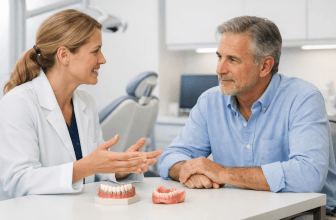
Immediate dentures after extractions can help international patients leave dental treatment without an obvious gap in their smile. They are prepared before the planned teeth are removed and fitted on the same day, sometimes replacing one tooth and sometimes several teeth.
In Short
Immediate dentures are usually an interim solution because the gums and supporting bone change as extraction sites heal. Many patients are advised to keep the denture in place for the first 24 hours if instructed by their dentist, then need cleaning, follow-up and possible adjustment, relining or replacement. There is no single safe interval for flying after extractions; travel readiness should be confirmed by the treating dental team based on the procedure, bleeding control, symptoms and access to care after travel.
However, an immediate denture is usually an interim solution rather than a permanent, final fit. The gums, extraction sites and supporting bone change as they heal, which can make the denture feel loose or uncomfortable over time. Adjustments, relining or replacement may therefore be needed.
If you are travelling to Turkey for dental treatment and plan to return home soon afterwards, your travel arrangements should include more than flights and accommodation. You also need a clear aftercare plan, written instructions and a realistic schedule for follow-up care. This guide explains what international patients should know before travelling home.
What are immediate dentures?
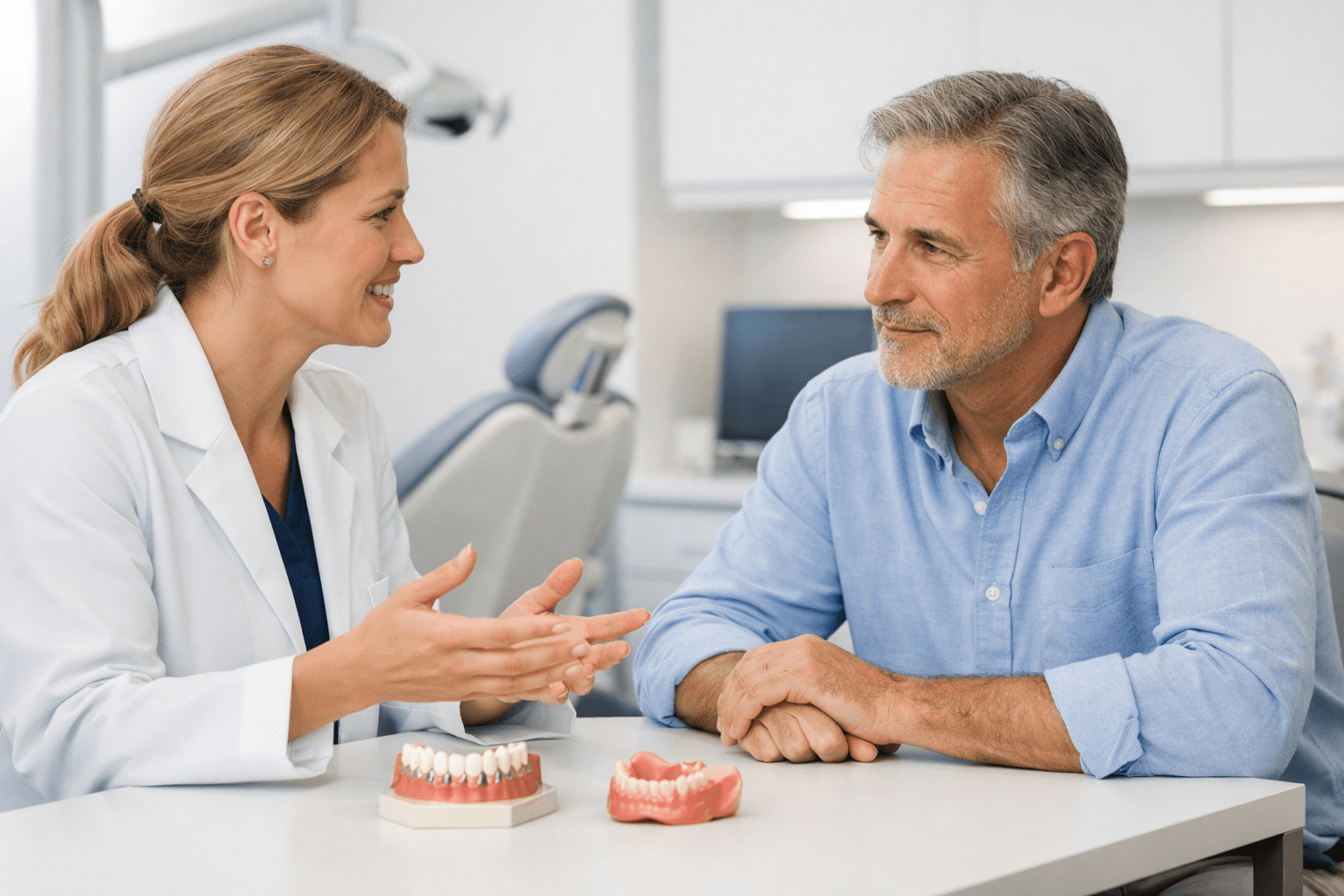
Immediate dentures are made in advance of tooth extraction. Once the planned teeth have been removed, the denture is inserted immediately, usually during the same appointment or treatment visit.
The main advantage is that patients do not have to leave the clinic with a visible space where teeth have been removed. An immediate denture may also help patients begin adapting to wearing a denture while the mouth heals. It can replace one tooth or multiple teeth, depending on the treatment plan.
Before treatment, a qualified dentist must assess whether an immediate denture is suitable for your individual situation. Suitability may depend on the teeth being removed, the condition of the gums and supporting tissues, the planned extractions and your general dental needs. Your dentist should explain the expected benefits, limitations and likely follow-up requirements before you consent to treatment.
Why immediate dentures are not usually the final denture
After extraction, the tissues do not remain unchanged. Swelling settles, the gums heal and the shape of the jaw and supporting bone changes. These normal healing changes can alter how the denture fits.
As a result, an immediate denture may become loose, rub against the gums or feel less stable during the healing period. Your dentist may need to adjust it or reline it so that it fits more comfortably. In some cases, it may eventually need to be replaced with a later denture designed after the mouth has healed more fully.
The exact timing varies between patients and treatment plans. NHS patient information describes the possibility of replacement within approximately a year, while some hospital guidance describes an interim period of around 8 to 12 months. These figures should not be treated as a universal schedule. Your treating dental team should explain whether you will need adjustments, relining, a replacement denture or a separate review after returning home.
What to arrange before travelling to Turkey
International patients should discuss the entire treatment and travel plan with the dental clinic before booking treatment. Ask whether the planned procedure involves simple extractions or more extensive oral surgery, how long the clinic expects you to remain locally and what follow-up appointments are required.
You should also provide a complete medical and dental history. Tell the dentist about regular medicines, allergies, previous problems with bleeding or healing and any conditions that may affect dental treatment. Individual suitability and travel readiness must be assessed by the treating dental professional rather than assumed from a standard itinerary.
Request written instructions
Before leaving the clinic, ask for written information that covers:
- How long to keep the immediate denture in place after fitting
- When and how to remove it for cleaning
- How to store it safely when it is not being worn
- What foods and drinks are suitable during early recovery
- How to manage pain and prescribed medicines
- What to do if bleeding continues
- Who to contact if the denture causes soreness or cannot be worn
- Which symptoms require urgent dental or emergency medical care
- When and how follow-up will take place
Ask for copies of your treatment summary, prescriptions and any relevant dental records. These can be useful if you need advice from a dentist after returning home.
What happens on the day of extraction and fitting?
The denture is prepared before the extraction appointment using information gathered during your dental assessment. The planned teeth are then removed, and the immediate denture is fitted afterwards. The dentist should check its position and explain how to manage it during the first hours.
The denture may feel unfamiliar at first. Speech can sound different, saliva production may feel increased and chewing may be difficult while you adapt. Mild soreness or pressure points can also occur. These problems should be discussed with the treating dental team, particularly if the denture causes an ulcer, significant pain or persistent rubbing.
Do not make major changes to the denture yourself. A poor fit can worsen irritation, and adjustments should be performed by a dental professional.
How long should you wear the denture after extraction?
Instructions can vary according to the procedure and your dentist’s assessment. Several NHS patient instructions recommend leaving an immediate denture in place for the first 24 hours, or following the specific instructions provided by the treating clinician.
This initial period is important because swelling may develop after extraction. If the denture is removed too soon, it may be difficult to reinsert comfortably while the tissues are swollen. The first-night instructions should therefore be confirmed before you leave the clinic.
After the initial period, dentures are generally removed at night unless your dental team gives different instructions. Removing the denture allows the mouth and denture to be cleaned and gives the tissues a period without pressure. Never change the recommended wear schedule without asking your dentist, especially during the first days after extraction.
Eating, cleaning and storing an immediate denture
Eating during the first days
Soft foods are usually recommended initially. Begin with small portions and take time to learn how to control the denture. As comfort and chewing ability improve, you can gradually progress to a broader diet according to your dentist’s advice.
Try to chew carefully and avoid foods that are difficult to manage while the mouth is sore. If eating causes sharp pain, repeated movement of the denture or bleeding, contact the dental team rather than forcing yourself to continue.
Cleaning the denture
After the initial wear period, clean the denture regularly according to the clinic’s instructions. Handle it carefully over a safe surface so that it is less likely to break if dropped. Dentures should not be cleaned with abrasive ordinary toothpaste unless your dentist specifically instructs you to do so.
Your dentist should explain how to clean the denture and how to maintain oral hygiene around the healing gums. When the denture is not being worn, store it safely as directed.
Managing bleeding, pain and swelling
Some bleeding, discomfort and swelling can occur after extractions, but your treating dentist should explain what is expected for your particular procedure. Follow the instructions provided for prescribed or recommended pain relief and take medicines only as directed.
Avoid activities that may interfere with healing or bleeding control, including smoking, vigorous rinsing, using straws, alcohol during early recovery and strenuous activity, unless your dental team provides different advice. Recommendations may vary depending on the complexity of the extractions and your medical history.
If bleeding continues, follow the clinic’s written instructions and contact the treating team. Heavy or uncontrolled bleeding requires urgent care. Rapidly increasing swelling or difficulty breathing or swallowing also requires emergency attention.
Can you fly home after immediate dentures?
The research available does not establish one universal safe interval for flying after dental extractions. The appropriate timing depends on factors such as the complexity of the surgery, whether bleeding is controlled, the level of swelling and pain, the medicines you are taking and your access to urgent dental care at your destination.
For this reason, do not rely only on a general number of hours or days. Ask the treating dental team to confirm whether you are fit to travel before leaving Turkey. If your symptoms are worsening, bleeding has not settled or you cannot manage the denture, your travel plans may need to be reviewed.
It is also sensible to consider the practical demands of travel. Carry your written instructions, medicines and dental documents in your hand luggage. Keep the denture in a suitable protective container when it is not being worn, and make sure you know how to contact the clinic after you return home.
Follow-up care for international patients
Immediate dentures require planned follow-up because the fit can change as healing progresses. The evidence does not support one follow-up interval that applies to every patient, so your clinic should provide an individual schedule.
Ask whether a review will take place before you travel home and how subsequent appointments will be managed. Some patients may need an early adjustment, while others may require later relining or replacement after further healing. Confirm whether remote communication is available and identify a local dentist who can assess the denture if necessary.
Do not wait for a scheduled appointment if the denture causes significant ulceration, cannot be worn, becomes broken or loose, or interferes with eating and speaking. A local dental professional may be able to provide urgent assessment, while the original clinic can advise about the longer-term plan.
Warning signs after you return home
Contact your treating dental team or seek local dental advice if you experience:
- Persistent or worsening pain
- Bleeding that does not settle or becomes heavy
- Increasing swelling
- Fever or other concerns about infection
- A denture that causes an ulcer or severe rubbing
- A denture that is too loose to use safely
- A broken denture or a denture that cannot be reinserted
- Difficulty eating or speaking that does not improve with adaptation
Heavy uncontrolled bleeding, rapidly increasing swelling or difficulty breathing or swallowing requires urgent emergency care. If you are unsure whether symptoms are serious, seek advice from an emergency dental service or medical service rather than waiting for your overseas clinic to reply.
Immediate dentures compared with waiting for a later denture
The main difference is timing. An immediate denture is prepared before extraction and inserted straight away, helping avoid an obvious gap during early recovery. A later denture is planned after the mouth has had more time to heal, so the shape of the gums and supporting tissues may be more stable when the fit is assessed.
Immediate dentures can therefore be useful when maintaining appearance during the healing period is important, but they also require realistic expectations. They may need adjustments, relining or replacement as the mouth changes. Your dentist should discuss the available approach, its limitations and the likely follow-up before treatment begins.
Questions to ask your dental clinic before leaving Turkey
- How long should I keep the immediate denture in place after extraction?
- When may I remove it for cleaning and sleep without it?
- What should I do if swelling makes reinsertion difficult?
- Which foods, activities and habits should I avoid during early healing?
- What medicines should I take, and what should I do if I miss a dose?
- When should I attend my first adjustment or review?
- Will I need relining or a replacement denture later?
- Who should I contact after returning home?
- Am I medically and dentally ready to fly on my planned date?
Key points for international patients
Immediate dentures can provide a temporary replacement immediately after extraction, but they should not be viewed as a guaranteed permanent fit. Healing changes the mouth, and follow-up care is an essential part of the treatment plan.
Before travelling home, make sure bleeding is controlled, your pain and swelling are manageable, you understand your medicines and you have received clear written instructions. Confirm travel readiness directly with your treating dental team because there is no single flying interval that applies to everyone.
Finally, leave with an emergency contact plan. Knowing what to do if the denture becomes painful, cannot be worn, or if bleeding and swelling worsen can make recovery safer and more manageable after returning home.
Explore our Cosmetic Dentistry services in Turkey for an overview of treatment options and individual assessment.
TREATMENT OPTIONS
Explore Your Treatment Options
Find out more about our services and discuss which options may suit your individual needs.
YOUR NEXT STEP
Discuss Your Questions With Our Team
Request an individual assessment or ask our team about treatment planning and follow-up arrangements.
Medical References
- Immediate Complete Dentures: A Systematic Review. Journal of the West African College of Surgeons; indexed in PubMed and available through PMC. View source
- Dentures. NHS. View source
- Looking after your immediate dentures. Royal Devon University Healthcare NHS Foundation Trust. View source
- Dentures. Guy’s and St Thomas’ NHS Foundation Trust. View source
- How to find an NHS dentist in an emergency. NHS. View source
Disclaimer: This article is for general information and does not replace an examination or personalised advice from a qualified dentist or physician. Your treatment plan and travel readiness should be confirmed by your treating clinical team.