Written by: Estexper Medical Editorial Team
Medically reviewed by: Kafkas Celik, MD
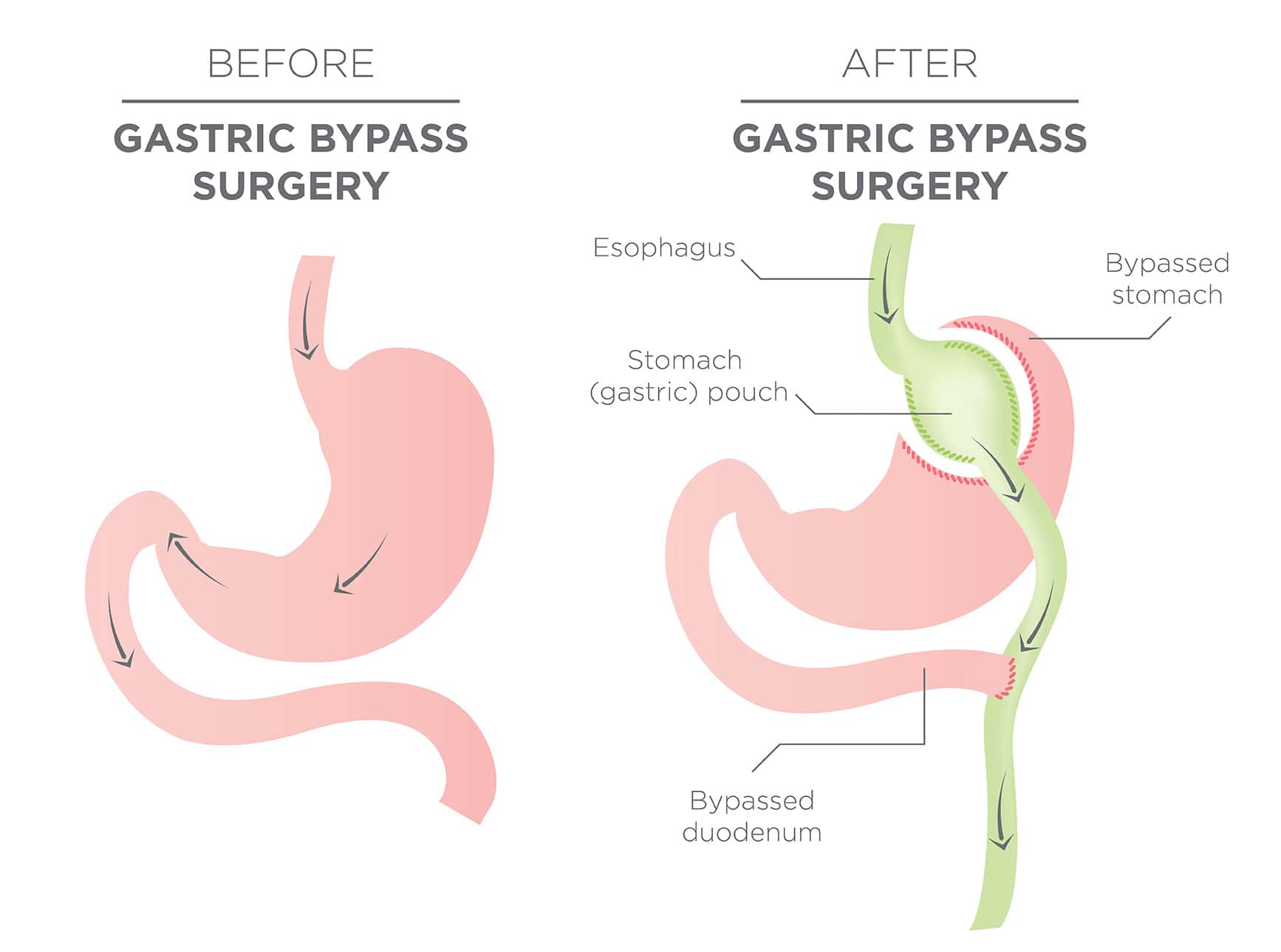
A marginal ulcer after gastric bypass is an ulcer that develops at or near the gastrojejunal anastomosis, where the stomach pouch is connected to the small intestine during Roux-en-Y gastric bypass. It may occur relatively early after surgery or develop years later. Some ulcers cause no symptoms, while others lead to persistent upper abdominal pain, nausea, vomiting, difficulty swallowing, bleeding or, rarely, perforation.
In Short
Marginal ulcers can occur months or years after Roux-en-Y gastric bypass. Persistent upper abdominal pain, nausea, vomiting, swallowing difficulty, bleeding or unexplained anemia should be medically assessed; upper endoscopy is generally the preferred test when an ulcer is suspected. Smoking is a well-supported risk factor, and NSAIDs are generally discouraged after bypass unless a treating clinician determines they are medically necessary.
At Estexper Clinic, we believe patients should understand which symptoms require medical assessment and which risk factors may be modifiable. Smoking and non-steroidal anti-inflammatory drugs, commonly called NSAIDs, are particularly important considerations after gastric bypass. Upper endoscopy is generally the preferred test when symptoms suggest a marginal ulcer or another postoperative problem.
What Is a Marginal Ulcer After Gastric Bypass?
A marginal ulcer is a break in the lining near the gastrojejunal anastomosis. This area can be exposed to digestive acid and other factors that may interfere with healing. Marginal ulcers are recognized complications of Roux-en-Y gastric bypass and can occur even when the operation was performed successfully and the patient initially recovered well.
Reported prevalence varies considerably depending on the patient population, follow-up period and whether patients undergo routine or symptom-driven endoscopy. An American Society for Metabolic and Bariatric Surgery review reports rates of approximately 0.6% to 16% after Roux-en-Y gastric bypass. This wide range means that a single number cannot predict an individual patient’s risk.
Some marginal ulcers are found incidentally, while others are identified after symptoms develop. The presence of symptoms does not prove that an ulcer is the cause, because reflux, narrowing, fistula, retained suture or staple material and other postoperative conditions can produce similar complaints. This is one reason a clinical assessment and, when appropriate, upper endoscopy are important.
Symptoms of a Marginal Ulcer
Symptoms can range from mild or intermittent discomfort to a serious emergency. Common presentations include:
- Persistent or recurring pain in the upper abdomen or epigastric area
- Nausea or vomiting
- Difficulty swallowing or a sensation that food does not pass normally
- Gastrointestinal bleeding, which may appear as vomiting blood or black, tarry stools
- Unexplained anemia, particularly when associated with fatigue or other signs of blood loss
Some patients may have an ulcer without noticeable symptoms. Conversely, symptoms such as abdominal pain or nausea may have causes other than an ulcer. A symptom-based diagnosis alone is therefore unreliable, especially in a person who has had altered gastrointestinal anatomy.
When Symptoms Need Prompt Attention
Persistent symptoms after gastric bypass should not be ignored. Contact a qualified bariatric or gastrointestinal specialist if you have ongoing upper abdominal pain, repeated nausea or vomiting, swallowing difficulty, suspected bleeding or anemia without an explained cause.
Sudden severe abdominal pain, fainting, vomiting blood, black stools, marked weakness or other signs of significant bleeding require urgent medical assessment. Severe sudden pain may indicate perforation or another acute complication. This situation should not be managed as a routine outpatient appointment or delayed while waiting for a planned endoscopy.
Smoking and Marginal Ulcer Risk
Smoking is one of the most consistently reported modifiable risk factors for marginal ulcers after gastric bypass. Research has associated smoking not only with ulcer development, but also with persistence, recurrence and perforation. The increased risk may remain clinically relevant even when smoking is described as occasional or intermittent, so the treating physician should be told about tobacco use.
If you smoke after gastric bypass, discuss a medically appropriate cessation plan with your physician. Stopping smoking can be an important part of preventing an ulcer from persisting or returning, but individual support may be needed. Patients should not assume that symptoms will resolve simply by reducing smoking, particularly if pain, vomiting, bleeding or anemia is already present.
People travelling internationally for bariatric follow-up should bring an accurate record of smoking status and previous ulcer treatment. This information can help the receiving clinician assess risk and decide whether further investigation is appropriate.
NSAIDs After Gastric Bypass
NSAIDs include a group of pain-relieving and anti-inflammatory medicines. After gastric bypass, these medicines are generally discouraged when alternatives are available because evidence links chronic or higher-dose use with marginal-ulcer risk in some studies.
The evidence is not completely consistent. Some research has found an association between NSAID exposure and marginal ulcers, while another meta-analysis did not find a statistically significant pooled association and reported substantial differences between the available studies. This uncertainty does not mean NSAIDs are automatically safe after bypass. It means that medication decisions should be individualized according to dose, duration, medical need and the patient’s overall risk profile.
Do not start an NSAID, stop a prescribed medicine or replace low-dose aspirin without discussing it with the clinician who manages your care. In some circumstances, an NSAID or aspirin may be considered medically necessary. The treating physician may review alternatives and consider gastroprotection where appropriate. Patients should provide a complete list of prescription medicines, over-the-counter painkillers and supplements during assessment.
When Is Endoscopy Needed?
Upper endoscopy, also called esophagogastroduodenoscopy or EGD, is the preferred and widely accepted diagnostic test for a suspected marginal ulcer. The procedure allows a specialist to look directly at the gastrojejunal anastomosis and determine whether an ulcer is present.
Endoscopy is particularly relevant when a patient has:
- Persistent or significant epigastric or abdominal pain
- Ongoing nausea or vomiting
- Dysphagia or difficulty swallowing
- Suspected gastrointestinal bleeding
- Unexplained anemia
- Symptoms that continue despite initial medical assessment
During the examination, the specialist can assess the ulcer’s appearance and depth and look for associated abnormalities. These may include active or recent bleeding, a narrowing or stricture, a gastrogastric fistula, or exposed suture or staple material. Endoscopy may also help identify another cause of symptoms when no marginal ulcer is present.
Is Routine Endoscopy Needed Without Symptoms?
Routine endoscopy is not generally performed in all asymptomatic patients after gastric bypass. Some marginal ulcers are asymptomatic, but current guidance and clinical practice generally focus investigation on patients with significant or persistent symptoms, suspected bleeding, anemia or other concerning findings.
The right decision depends on the type of bypass, the time since surgery, previous ulcer history, risk factors and the patient’s current condition. A qualified physician should determine whether observation, medication review, further testing or endoscopy is appropriate.
How Endoscopy Is Planned
If your physician recommends endoscopy, provide information about your gastric bypass date and surgical technique, previous endoscopies, known ulcers, allergies, medical conditions and all medicines. Tell the team if you take aspirin, anticoagulants, NSAIDs or other medicines that may affect bleeding risk. Do not change these medicines unless instructed by the relevant clinician.
The endoscopy team will give you procedure-specific instructions, including how to prepare and whether any medicines need adjustment. Preparation may differ according to your health, medication and the reason for the examination. International patients should arrange for their medical records, operative report and recent test results to be available whenever possible.
What Happens After the Diagnosis?
Management depends on the endoscopy findings, symptom severity, risk factors and the patient’s wider medical history. The treating physician may review acid-suppressing treatment, smoking, NSAID exposure and other contributors to ulcer development. If endoscopy identifies bleeding, narrowing, a fistula, exposed material or another abnormality, the care plan may need to address that specific finding.
Follow-up is important because an ulcer may persist or recur, particularly when modifiable risk factors remain. Patients should follow the prescribed treatment plan and report continuing pain, vomiting, swallowing difficulty or signs of bleeding. A repeat endoscopy may be considered by the treating specialist when symptoms continue or when follow-up of a known ulcer is clinically appropriate.
There is no single treatment plan that is suitable for every patient. The need for medication, further endoscopic management or another intervention must be decided by a qualified physician after reviewing the clinical findings. A remote or international consultation can help organize evaluation, but urgent symptoms require local emergency care without delay.
Risks of Delaying Assessment
Ignoring persistent symptoms can delay the diagnosis of an ulcer or another postoperative complication. A marginal ulcer may bleed, become persistent or, rarely, perforate. The risk cannot be estimated accurately from symptoms alone. A person with mild pain may still need assessment if it continues, while sudden severe pain or suspected major bleeding requires immediate care.
Do not wait for a scheduled travel appointment in Turkey if you develop emergency symptoms while abroad or at home. Attend the nearest emergency department and explain that you have previously had gastric bypass surgery.
Frequently Asked Questions
Can a marginal ulcer develop years after gastric bypass?
Yes. Marginal ulcers may occur early or years after Roux-en-Y gastric bypass. The time since surgery does not exclude the diagnosis, particularly when new or persistent symptoms appear.
Does every person with abdominal pain after bypass have a marginal ulcer?
No. Abdominal pain can have several causes, including postoperative abnormalities other than an ulcer. Upper endoscopy can help confirm or exclude a marginal ulcer and evaluate the gastrojejunal anastomosis.
Are NSAIDs always forbidden after gastric bypass?
NSAIDs are generally discouraged when possible, but the evidence is not entirely uniform and some patients may have a medical reason to take them. Any use should be reviewed individually by the treating physician. Never change prescribed aspirin or another medicine without medical advice.
Can a person have a marginal ulcer without symptoms?
Yes. Some marginal ulcers are asymptomatic. However, routine endoscopy for every asymptomatic patient is not generally performed. The decision should reflect the person’s history, risk factors and clinical findings.
When should I seek emergency help?
Seek urgent medical care for sudden severe abdominal pain, vomiting blood, black stools, fainting, marked weakness or suspected significant bleeding. These symptoms may indicate perforation or another serious complication and should not wait for routine outpatient endoscopy.
Explore our Bariatric Surgery services in Turkey for an overview of treatment options and individual assessment.
TREATMENT OPTIONS
Explore Your Treatment Options
Find out more about our services and discuss which options may suit your individual needs.
YOUR NEXT STEP
Discuss Your Questions With Our Team
Request an individual assessment or ask our team about treatment planning and follow-up arrangements.
Medical References
- American Society for Metabolic and Bariatric Surgery literature review on risk factors, screening recommendations, and prophylaxis for marginal ulcers after metabolic and bariatric surgery — American Society for Metabolic and Bariatric Surgery.
- ASMBS literature review on the treatment of marginal ulcers after metabolic and bariatric surgery — American Society for Metabolic and Bariatric Surgery.
- Marginal Ulcers after Roux-en-Y Gastric Bypass: Etiology, Diagnosis, and Management — Journal of Clinical Medicine; PubMed Central.
- Predictors of marginal ulcer after gastric bypass: a systematic review and meta-analysis — Society for Surgery of the Alimentary Tract; PubMed.
- The role of endoscopy in the bariatric surgery patient — American Society for Gastrointestinal Endoscopy.
Medical disclaimer: This article is for general education and does not replace an examination, diagnosis or treatment plan from a qualified physician. Individual suitability for endoscopy or any other care must be determined after a clinical assessment.