Written by: Estexper Medical Editorial Team
Medically reviewed by: Kafkas Celik, MD
For people with a body mass index (BMI) over 50 kg/m², choosing a bariatric operation involves more than asking which procedure produces the most weight loss. Sleeve gastrectomy, Roux-en-Y gastric bypass (RYGB), single-anastomosis duodenal switch (SADI-S) and conventional biliopancreatic diversion with duodenal switch (BPD-DS) have different effects on anatomy, nutrition, reflux, metabolic health and long-term care.
In Short
There is no single best bariatric operation for everyone with a BMI over 50 kg/m². Duodenal switch often produces the greatest long-term weight loss in comparative studies but has higher nutritional and complication risks; RYGB, sleeve gastrectomy and SADI-S may be appropriate in selected circumstances. The choice should consider reflux, metabolic conditions, operative risk, nutritional adherence, surgeon experience and access to lifelong follow-up.
Why BMI over 50 requires careful planning
A BMI of 50 kg/m² or higher is sometimes described as severe or “super” obesity. At this level, obesity may be associated with several metabolic and functional conditions, including type 2 diabetes, high blood pressure, abnormal cholesterol, sleep-related breathing problems and joint or mobility limitations. However, BMI alone cannot determine which operation is suitable.
The 2022 guidance from the American Society for Metabolic and Bariatric Surgery and the International Federation for the Surgery of Obesity and Metabolic Disorders emphasizes multidisciplinary assessment, risk optimization and long-term disease management. It also states that there is no consensus about a single best procedure, even for patients with especially high BMI.
Before recommending surgery, the clinical team may review current illnesses, previous operations, medications, reflux symptoms, nutritional status, sleep and mental health, eating behaviors and your ability to follow postoperative instructions. The aim is to balance expected weight and metabolic benefits with operative, nutritional and long-term risks.
How the main procedures differ
Sleeve gastrectomy
Sleeve gastrectomy removes a substantial portion of the stomach, leaving a narrower stomach. It does not involve an intestinal bypass, so its anatomical design is generally simpler than procedures that alter the small intestine.
For patients with BMI over 50, sleeve gastrectomy may be considered when a simpler anatomical approach is important or when the surgical team believes it offers an appropriate balance between expected benefit and risk. Comparative research suggests that sleeve gastrectomy may produce less weight loss than gastric bypass or more malabsorptive operations in some patients with very high BMI.
Reflux is an important part of the discussion. Existing or troublesome gastroesophageal reflux disease may affect whether sleeve gastrectomy is appropriate, so symptoms and any available investigations should be reviewed carefully before surgery. Sleeve gastrectomy also requires long-term nutritional monitoring and lifestyle support, even though it does not bypass the intestine.
Roux-en-Y gastric bypass
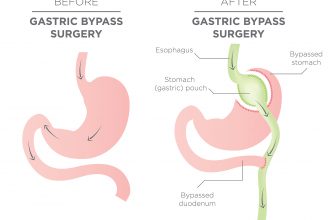
Roux-en-Y gastric bypass creates a smaller stomach pouch and reroutes food through part of the small intestine. It combines restriction with changes to digestion and gut physiology, which can support weight loss and improvement of metabolic disease.
In a systematic review of patients with BMI at least 50 kg/m², RYGB produced greater weight loss than sleeve gastrectomy at six to twelve months. The difference was not statistically significant after 24 months, showing why short-term comparisons should not be treated as a guarantee of long-term superiority. The review also found greater dyslipidemia resolution with bypass at 12 months, while differences in other comorbidities were not statistically significant.
RYGB may be particularly relevant when reflux or metabolic disease is an important concern, but suitability depends on the individual. It has a more complex anatomical design than sleeve gastrectomy and requires lifelong attention to nutrition, supplementation and follow-up.
SADI-S
SADI-S, or single-anastomosis duodenal switch, combines a sleeve-shaped stomach with a rearrangement of the small intestine using one intestinal connection. It is designed to provide substantial weight loss and metabolic effects while using a different anatomy from both RYGB and conventional duodenal switch.
Evidence in patients with BMI at least 50 kg/m² is promising but less mature than the evidence for more established procedures. A multicenter retrospective comparison of 968 patients reported greater and sustained weight loss and higher comorbidity resolution with SADI-S than with RYGB, with similar reported safety in that cohort. However, the investigators emphasized that further research is needed to confirm long-term safety and effectiveness.
SADI-S can involve meaningful nutritional and malabsorption considerations. Before choosing it, patients need to understand the importance of prescribed supplements, blood tests, dietary guidance and lifelong follow-up. A surgeon’s experience with the procedure is also an important consideration.
Duodenal switch
Conventional biliopancreatic diversion with duodenal switch is a metabolic bariatric operation that combines a sleeve-shaped stomach with a substantial intestinal rearrangement. This reduces the length of intestine available for nutrient absorption.
Among patients with BMI at least 50 kg/m², comparative studies often report the greatest long-term weight loss after duodenal switch, followed by RYGB and sleeve gastrectomy. A 10-year retrospective comparison found the highest five-year total weight loss with duodenal switch, but also reported the highest 30-day complication rate and more early and late surgical complications.
A recent systematic review and meta-analysis comparing duodenal switch with RYGB also found greater weight loss with duodenal switch, alongside higher rates of major malnutrition and revisional surgery for malnutrition. This illustrates the central trade-off: a potentially greater weight-loss effect may come with greater nutritional and surgical complexity.
Which operation may be considered for different priorities?
There is no procedure that is automatically correct for every person with a BMI over 50. Instead, your team may consider the following factors:
- Expected weight loss: Duodenal switch has shown the greatest long-term weight loss in many comparative studies, while SADI-S is promising. RYGB may provide greater early weight loss than sleeve gastrectomy, although longer-term differences can be less clear.
- Reflux: Reflux symptoms and the condition of the upper digestive tract should be discussed before selecting an operation. They may influence whether sleeve gastrectomy is suitable.
- Metabolic disease: Diabetes, abnormal cholesterol and other obesity-related conditions may influence the recommendation. RYGB, SADI-S and duodenal switch all have important metabolic effects, but individual outcomes vary.
- Nutritional adherence: Procedures with greater intestinal bypass or malabsorption require particularly careful lifelong supplementation, dietary monitoring and blood testing.
- Operative risk and anatomy: Previous abdominal surgery, current health conditions and anatomical findings may affect which procedure can be performed safely.
- Long-term support: The best option is not only the operation with the greatest expected weight loss. It must also be an operation that you can safely maintain with reliable follow-up.
Preparing for bariatric surgery in Turkey
International patients should arrange a detailed medical review before traveling. Share your height, weight history, medical diagnoses, medication list, previous surgery records, allergy information and any reports related to reflux, diabetes, sleep problems or nutritional deficiencies. Accurate information helps the team assess whether an operation can be considered safely.
Ask the clinic which consultations and examinations are required, who will perform the surgery, how the procedure will be selected and what follow-up is included. You should also understand the expected length of your stay, how postoperative concerns are handled and how communication will continue after returning home. These details can vary according to your health and the operation chosen.
Preparation may include nutritional counseling, medication review and optimization of medical conditions. Do not stop prescribed medication or begin a restrictive diet without advice from your treating clinicians. A qualified physician must determine your individual suitability for surgery.
What recovery and aftercare involve
Recovery depends on the operation, your general health and whether complications occur. After surgery, the team will provide a staged eating plan and instructions about hydration, movement, medication and supplements. The exact plan should come from your surgical and nutritional team rather than from general online advice.
Long-term aftercare is essential for every procedure discussed in this article. Follow-up commonly involves monitoring weight, symptoms, blood results, nutritional status and obesity-related conditions. Patients who undergo SADI-S or duodenal switch need especially careful attention to protein intake, vitamins and minerals because of the greater potential for malabsorption.
International patients should arrange a clear follow-up pathway before leaving Turkey. This may include scheduled remote contact with the operating team and coordination with a qualified doctor in your home country. Seek urgent medical advice if you develop concerning symptoms after surgery, and follow the discharge instructions provided by your clinical team.
Risks and limitations of the evidence
All bariatric procedures carry potential risks, including surgical complications, bleeding, infection, leaks, blood clots, digestive symptoms, nutritional deficiencies and the possibility of further procedures. The likelihood and type of risk vary according to the operation and the patient’s health.
More malabsorptive procedures, particularly duodenal switch and potentially SADI-S, require careful discussion of malnutrition and the possibility of revision. Sleeve gastrectomy has a simpler anatomical profile but may provide less weight loss in some people and requires careful consideration when reflux is present. RYGB has a more complex anatomy and also requires lifelong nutritional care.
Comparative evidence for patients with BMI over 50 is not perfect. Much of the available research is retrospective, and studies may differ in surgical technique, patient selection, follow-up duration and definitions of success or complications. Results from one study cannot predict exactly what will happen to an individual patient.
Questions to ask your bariatric surgeon
- Why are you recommending this procedure for my medical history and BMI?
- How might reflux, diabetes or other conditions affect the choice?
- What nutritional deficiencies are possible, and what lifelong supplements and tests will I need?
- What are the main short-term and long-term risks of this operation?
- How experienced is the surgical team with this procedure in patients with a very high BMI?
- What follow-up will be available if I return to my home country?
- What symptoms should prompt urgent medical attention after surgery?
Frequently asked questions
Is duodenal switch always the best option for BMI over 50?
No. Duodenal switch often produces the greatest long-term weight loss in comparative studies, but it also has higher nutritional and complication risks. It may be appropriate for selected patients who can commit to lifelong monitoring, but it is not automatically suitable for everyone.
Is sleeve gastrectomy less effective than bypass?
Not necessarily for every individual. Studies in BMI at least 50 kg/m² suggest greater early weight loss with RYGB, while the difference may not remain statistically significant after 24 months. The choice must also account for reflux, metabolic disease, anatomy and nutritional considerations.
Is SADI-S established for all international patients?
SADI-S is a promising option, but its long-term evidence base is less mature than that of established operations. A qualified bariatric surgeon should explain the available evidence, potential nutritional risks and the importance of long-term follow-up before recommending it.
How should I choose between these procedures?
Discuss your health conditions, reflux symptoms, previous operations, nutritional status, expected weight-loss goals and ability to attend follow-up with a qualified bariatric team. The final recommendation should be individualized rather than based on BMI alone.
Explore our Bariatric Surgery services in Turkey for an overview of treatment options and individual assessment.
TREATMENT OPTIONS
Explore Your Treatment Options
Find out more about our services and discuss which options may suit your individual needs.
YOUR NEXT STEP
Discuss Your Questions With Our Team
Request an individual assessment or ask our team about treatment planning and follow-up arrangements.
Medical References
- 2022 ASMBS and IFSO: Indications for Metabolic and Bariatric Surgery — American Society for Metabolic and Bariatric Surgery and International Federation for the Surgery of Obesity and Metabolic Disorders. Read the guidance
- Roux-en-Y Gastric Bypass Vs Sleeve Gastrectomy in Super Obesity: a Systematic Review and Meta-Analysis — PubMed; Obesity Surgery. View the study
- Ten year comparative analysis of sleeve gastrectomy, Roux-en-Y gastric bypass, and biliopancreatic diversion with duodenal switch in patients with BMI ≥ 50 kg/m² — PubMed; Mayo Clinic investigators; Surgical Endoscopy. View the study
- Roux-en-Y gastric bypass versus duodenal switch in patients with body mass index ≥50 kg/m²: a systematic review and meta-analysis — PubMed; Surgery for Obesity and Related Diseases. View the study
- Single anastomosis duodenal switch versus Roux-en-Y gastric bypass in patients with BMI ≥ 50 kg/m²: a multi-centered comparative analysis — PubMed; multicenter study including Mayo Clinic investigators. View the study
This article is for general educational purposes and does not replace an examination, diagnosis or treatment plan from a qualified physician.