Written by: Estexper Medical Editorial Team
Medically reviewed by: Mehmet Kaya, MD
Barrett’s oesophagus does not automatically mean that bariatric surgery is impossible. However, it is an important factor when choosing between sleeve gastrectomy and Roux-en-Y gastric bypass. The operation should be selected only after careful assessment of reflux symptoms, endoscopy results, biopsy findings, weight-related health conditions and overall surgical suitability.
In Short
- Many people with Barrett’s oesophagus can have bariatric surgery after specialist assessment.
- Sleeve gastrectomy may cause or worsen reflux, so professional guidance advises counselling patients with Barrett’s against this procedure.
- Roux-en-Y gastric bypass generally has a more favourable effect on reflux and is often preferred when clinically appropriate.
- Neither procedure removes the need for Barrett’s surveillance or guarantees prevention of oesophageal cancer.
This is particularly important because Barrett’s oesophagus is associated with long-term gastro-oesophageal reflux disease (GERD) and is the only established precursor lesion for oesophageal adenocarcinoma. It does not mean that a person has cancer, but it does require appropriate medical follow-up. For many patients with Barrett’s, gastric bypass is considered more suitable than sleeve gastrectomy because it generally improves reflux, while sleeve surgery may cause or worsen it.
What is Barrett’s oesophagus?
Barrett’s oesophagus is a change in the lining of the lower oesophagus, usually associated with repeated exposure to stomach acid and other refluxed contents. The condition is diagnosed through an upper endoscopy, during which the oesophagus is examined and tissue samples are taken for laboratory analysis.
Biopsy results help determine whether there is no dysplasia, low-grade dysplasia or high-grade dysplasia. Dysplasia refers to abnormal cellular changes that may indicate a greater risk of progression. The appropriate management and surveillance plan depends on the biopsy findings and the patient’s individual risk profile.
Having Barrett’s does not mean that oesophageal cancer will develop. Nevertheless, it should not be ignored, and bariatric surgery does not remove the need for endoscopic surveillance or any treatment recommended by a gastroenterology team.
Can you have bariatric surgery with Barrett’s oesophagus?
In many cases, yes. Barrett’s oesophagus is not an automatic contraindication to weight-loss surgery. The more important question is which bariatric procedure is most appropriate for the patient’s reflux and oesophageal health.
Before making a recommendation, the medical team may review:
- Previous endoscopy reports and biopsy results
- The presence and severity of reflux, heartburn or regurgitation
- Any evidence of erosive oesophagitis or oesophageal motility problems
- Whether dysplasia has been identified
- Current medication and response to reflux treatment
- Weight-related medical conditions and general fitness for surgery
- The patient’s ability to attend long-term follow-up and Barrett’s surveillance
Patients travelling internationally for treatment should provide their Turkish clinic and local doctors with complete endoscopy, pathology and medication records where possible. If records are incomplete or outdated, further assessment may be recommended before surgery is confirmed.
Sleeve gastrectomy and Barrett’s oesophagus
Sleeve gastrectomy reduces the size of the stomach by removing a large portion and creating a narrow stomach shape. Its effect on reflux is an important consideration for patients with Barrett’s oesophagus.
Evidence from systematic reviews indicates that sleeve gastrectomy can worsen objective measures of reflux and is associated with more erosive oesophagitis in some patients. Reflux may also appear for the first time after surgery, although individual outcomes vary.
For a person who already has Barrett’s oesophagus, worsening reflux is a significant concern. For this reason, professional guidance advises that patients with preoperative Barrett’s oesophagus should be counselled against sleeve gastrectomy because GERD may worsen.
This does not mean that every patient with Barrett’s who undergoes sleeve surgery will experience deterioration. It does mean that sleeve gastrectomy is generally approached with caution, and another bariatric option may offer a more appropriate reflux profile.
Could sleeve surgery increase cancer risk?
It would be inaccurate to state that sleeve gastrectomy directly causes oesophageal cancer. Current evidence does not establish that the operation causes cancer. However, sleeve surgery can worsen reflux, and reflux is relevant to the development and management of Barrett’s oesophagus.
Some studies have reported new Barrett’s changes after sleeve gastrectomy, but the available research is limited by small study groups, different follow-up periods and variation in how Barrett’s was assessed. A long-term randomised trial found Barrett’s numerically more often after sleeve gastrectomy than after gastric bypass, although the difference was not statistically significant. The result was therefore inconclusive rather than proof of a direct cancer risk.
Gastric bypass and Barrett’s oesophagus
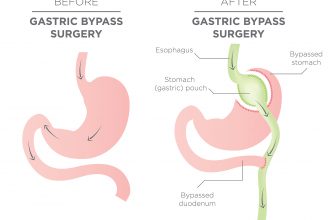
Roux-en-Y gastric bypass changes the route of food through the digestive system by creating a small stomach pouch and connecting it to a lower part of the small intestine. In many patients, it also has an anti-reflux effect.
Compared with sleeve gastrectomy, gastric bypass generally improves reflux symptoms, acid exposure and endoscopic signs of oesophagitis. Some observational evidence also suggests that Barrett’s changes may regress or improve after bypass. These findings are encouraging, but they do not prove that gastric bypass eliminates Barrett’s or prevents oesophageal cancer.
Because it can provide an anti-reflux effect, gastric bypass is commonly considered the preferred bariatric option for patients with Barrett’s oesophagus when clinically appropriate. The decision still needs to be individualised. Gastric bypass is major surgery and has its own risks, nutritional requirements and long-term follow-up obligations.
Sleeve gastrectomy vs gastric bypass for reflux
| Consideration | Sleeve gastrectomy | Roux-en-Y gastric bypass |
|---|---|---|
| Effect on reflux | May cause new reflux or worsen existing GERD | Generally improves reflux and acid exposure |
| Barrett’s oesophagus | Usually approached with caution because reflux may worsen | Often considered more suitable when clinically appropriate |
| Barrett’s regression | Evidence is limited and new Barrett’s changes have been reported | May allow improvement or regression in some patients, but evidence is not definitive |
| Cancer prevention | Not proven to prevent oesophageal cancer | Not proven to eliminate Barrett’s-related cancer risk |
| Surveillance | Barrett’s follow-up remains necessary | Barrett’s follow-up remains necessary |
The strongest practical difference is the expected effect on reflux. For someone with established Barrett’s, avoiding worsening reflux is usually a central part of procedure selection.
Does gastric bypass remove the risk of oesophageal cancer?
No. Gastric bypass may improve reflux and could potentially support regression or reduce progression risk in some patients, but it should not be described as a cancer-prevention procedure. Evidence about cancer outcomes in people with established Barrett’s remains limited and is largely observational.
Research examining bariatric surgery overall has not shown an increased incidence of oesophageal or gastric cancer compared with non-surgical obesity treatment. Some large observational studies have reported lower cancer incidence during the study period. However, these findings do not prove that bypass prevents cancer, nor do they demonstrate that sleeve gastrectomy and gastric bypass have identical cancer risks.
Even after gastric bypass, patients with Barrett’s should continue the surveillance schedule recommended by their gastroenterologist. Surgery may change reflux exposure, but it does not erase the original diagnosis or replace endoscopic assessment.
What preparation may be needed before surgery?
Preparation should focus on confirming the condition of the oesophagus and selecting the most appropriate procedure. The medical team may recommend an upper endoscopy with biopsies if recent, reliable results are not available. The pathology report should clarify whether dysplasia is present.
Patients should also discuss symptoms such as frequent heartburn, nighttime reflux, difficulty swallowing, chest discomfort or regurgitation. Existing oesophagitis, high-grade reflux symptoms or oesophageal motility problems may influence the recommendation against sleeve gastrectomy.
International patients considering treatment in Turkey should ask how their preoperative records will be reviewed, whether additional tests are required on arrival and how communication will be maintained with their gastroenterologist after returning home. A clear plan for postoperative and Barrett’s follow-up is an important part of safe care.
Recovery and long-term aftercare
Recovery instructions depend on the operation, the patient’s health and the surgeon’s protocol. After either procedure, patients should follow the prescribed dietary progression, medication instructions and activity guidance. They should contact their clinical team promptly if they develop severe or persistent symptoms such as difficulty swallowing, repeated vomiting, significant chest or abdominal pain or signs of dehydration.
Long-term care after gastric bypass includes attention to nutrition and scheduled medical reviews. Patients should understand that follow-up is not limited to the early recovery period. Ongoing bariatric monitoring and Barrett’s surveillance may involve different specialists, including the bariatric surgeon, gastroenterologist and primary physician.
Reflux symptoms should not be dismissed after surgery. New or persistent heartburn, acid regurgitation or swallowing difficulties should be reported, even if weight loss is progressing well.
Important questions to ask your bariatric team
- Do my endoscopy and biopsy results confirm Barrett’s oesophagus?
- Is dysplasia present, and does it require a separate specialist management plan?
- How might sleeve gastrectomy affect my reflux?
- Would Roux-en-Y gastric bypass be more appropriate for my oesophageal condition?
- What evidence supports the recommended procedure in my case?
- How will my Barrett’s surveillance continue after surgery?
- What follow-up will be available if I return home after treatment in Turkey?
Conclusion
Barrett’s oesophagus does not automatically rule out bariatric surgery, but it makes procedure selection especially important. Sleeve gastrectomy may worsen or cause reflux and is generally approached cautiously in patients with established Barrett’s. Roux-en-Y gastric bypass usually offers a more favourable reflux profile and is often preferred when the patient is otherwise suitable.
Neither procedure should be presented as eliminating oesophageal cancer risk. The evidence that bypass prevents cancer or reliably reverses Barrett’s remains limited. The safest decision requires review of endoscopy and biopsy findings, assessment by qualified specialists and a long-term plan for reflux management and endoscopic surveillance.
Explore our Bariatric Surgery services in Turkey for an overview of treatment options and individual assessment.
TREATMENT OPTIONS
Explore Your Treatment Options
Find out more about our services and discuss which options may suit your individual needs.
YOUR NEXT STEP
Discuss Your Questions With Our Team
Request an individual assessment or ask our team about treatment planning and follow-up arrangements.
Medical References
- Diagnosis and Management of Barrett’s Esophagus: An Updated ACG Guideline — American College of Gastroenterology.
- Barrett’s Oesophagus and Bariatric/Metabolic Surgery—IFSO 2020 Position Statement — International Federation for the Surgery of Obesity and Metabolic Disorders.
- Multi-Society Consensus Conference and Guideline on the Treatment of Gastroesophageal Reflux Disease — Society of American Gastrointestinal and Endoscopic Surgeons and collaborating societies.
- Significant and Distinct Impacts of Sleeve Gastrectomy and Roux-en-Y Gastric Bypass on Esophageal Acid Exposure, Esophageal Motility, and Endoscopic Findings: A Systematic Review and Meta-Analysis — Peer-reviewed medical literature indexed in PubMed.
- Long-term Effect of Roux-en-Y Gastric Bypass versus Sleeve Gastrectomy on Reflux and Barrett’s Oesophagus: A Randomized Controlled Trial — ANZ Journal of Surgery / PubMed.
- Risk of Esophageal and Gastric Cancer After Bariatric Surgery — JAMA Surgery.