Written by: Estexper Medical Editorial Team
Medically reviewed by: Kafkas Celik, MD
Adjustable gastric bands were once widely used for weight-loss surgery, but some patients later experience insufficient weight loss, weight regain, reflux, band slippage, erosion, intolerance, or other complications. In these situations, removing the band may be considered, sometimes with conversion to sleeve gastrectomy or Roux-en-Y gastric bypass.
In Short
There is no single best approach to gastric band conversion in Turkey or elsewhere. One-stage removal and conversion may be appropriate when the stomach and surrounding tissues can be treated safely, while two-stage surgery may be considered when there is erosion, infection, marked inflammation, slippage, or difficult anatomy. The choice of sleeve or bypass, and whether to stage surgery, should follow an individual assessment by an experienced revisional bariatric team.
A key question is whether band removal and the new operation should be performed during the same procedure or separated into two stages. A one-stage operation combines band removal with sleeve gastrectomy or gastric bypass. In a two-stage approach, the band is removed first, allowing the stomach and surrounding tissues to heal before the second bariatric procedure is considered.
The decision depends on the condition of the band and stomach, previous complications, reflux symptoms, weight-loss requirements, general health, nutritional status, anatomy, and the experience of the specialist team. Patients considering gastric band conversion in Turkey should receive an individual assessment rather than choosing a surgical approach based only on convenience.
What Does Gastric Band Conversion Mean?
Gastric band conversion is revisional bariatric surgery performed after an adjustable gastric band has failed, caused complications, or no longer meets the patient’s weight-management needs. The first part of the operation is removal of the band and related components. Depending on the patient’s condition, the surgeon may then perform:
- Conversion to sleeve gastrectomy: part of the stomach is removed to create a narrower stomach.
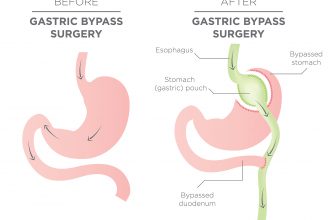
- Conversion to Roux-en-Y gastric bypass: the stomach is made smaller and the digestive route is surgically rearranged.
These procedures are not interchangeable. Sleeve gastrectomy and gastric bypass have different effects on eating capacity, reflux, diabetes management, nutrient absorption, and long-term follow-up requirements. The suitable option should be selected after reviewing the patient’s symptoms, medical history, previous band records, imaging or endoscopy findings, and treatment goals.
One-Stage Versus Two-Stage Conversion
One-stage surgery
During one-stage surgery, the surgeon removes the gastric band and performs the selected revisional operation during the same anaesthetic. This may reduce the number of operations and hospital admissions and can provide a more direct treatment pathway. However, it requires the tissues around the upper stomach to be suitable for safe stapling or reconstruction.
One-stage surgery may be considered when there is no significant infection, erosion, perforation, severe inflammation, or extensive scarring, and when the surgeon believes the anatomy allows the second procedure to be performed safely. Even when it is technically possible, the decision should be based on the overall risk profile rather than on the desire to complete treatment quickly.
Two-stage surgery
In a two-stage approach, the band is removed first. The patient then has a period of recovery before sleeve gastrectomy or gastric bypass is considered. This interval allows inflammation and swelling to settle and may make the anatomy easier to evaluate during the second operation.
Two-stage treatment is commonly considered when there has been band erosion, perforation, infection, significant slippage, severe inflammation, or substantial scar tissue. It may also be selected when immediate stapling or reconstruction would create unacceptable technical risk. The timing of the second stage is individual and should be determined by the treating surgeon after clinical reassessment.
What Does the Evidence Say?
Research has not established one staging strategy as superior for every band-conversion patient. A 2016 systematic review and meta-analysis of 11 studies involving 1,370 patients found comparable complication, morbidity, and mortality rates between one-stage and two-stage revisions from gastric banding to sleeve gastrectomy or Roux-en-Y gastric bypass.
A 2020 systematic review and meta-analysis found no statistically significant overall difference in leak rates between one-stage and two-stage conversions. Its subgroup findings suggested a possible safety advantage for one-stage conversion to gastric bypass and two-stage conversion to sleeve gastrectomy. However, the confidence intervals were wide, and most available evidence was retrospective. These findings should therefore be interpreted cautiously rather than treated as a universal rule.
Other studies have produced similarly nuanced results. A large statewide database study reported lower morbidity with one-stage procedures after propensity matching, while a multicentre study of 832 band-to-gastric-bypass conversions found no significant difference in postoperative complications or mortality between one- and two-stage approaches. Two-stage surgery was used more often in patients with band slippage, erosion, or higher body mass index, showing that the groups were clinically different before surgery.
Evidence specifically concerning conversion to sleeve gastrectomy is mixed. Some observational studies favour a staged approach for reducing leaks and other complications, while smaller comparative studies and later institutional series have reported acceptable outcomes with one-stage conversion when the operation is technically suitable. Overall, the studies support individualised decision-making by an experienced revisional bariatric team.
When Might Two-Stage Surgery Be Safer?
Immediate conversion may not be advisable when the band or surrounding tissue has caused structural damage or active inflammation. Circumstances that may lead a surgeon to recommend band removal first include:
- Band erosion into the stomach
- Perforation or suspected leakage
- Active infection involving the band or port system
- Severe band slippage or obstruction
- Marked inflammation around the upper stomach
- Extensive scar tissue that makes stapling difficult
- Anatomy that cannot be adequately assessed or safely reconstructed during the first operation
These factors do not automatically determine the final plan. A surgeon may use endoscopy, imaging, laboratory tests, and operative findings to assess the situation. Sometimes the decision about staging is made during surgery if the tissues appear less suitable than expected.
How Is the Choice Between Sleeve and Gastric Bypass Made?
The choice of conversion procedure is separate from the decision about one-stage or two-stage surgery. Both the patient and surgeon should consider the following factors:
Reflux and upper gastrointestinal symptoms
Reflux symptoms and the condition of the oesophagus can influence the choice between sleeve and bypass. A detailed assessment is important because symptoms may be related to the previous band, the stomach, or another gastrointestinal condition. The surgeon should explain how each option may affect symptoms and follow-up needs.
Diabetes and metabolic health
Existing diabetes and other weight-related health problems may be relevant when comparing sleeve gastrectomy with Roux-en-Y gastric bypass. The patient’s medications, nutritional status, and ability to attend long-term follow-up should be considered as part of the overall assessment.
Weight-loss requirements and previous results
The reason for revision matters. Some patients need further weight loss after inadequate results from the band, while others require treatment because of complications despite achieving some weight reduction. The surgeon may review previous weight trends, current body mass index, eating patterns, and the mechanical reason the band no longer works effectively.
Anatomy and previous complications
Band position, pouch or oesophageal changes, scarring, adhesions, and previous abdominal operations may affect technical feasibility. Endoscopy or imaging may be recommended before surgery, particularly when erosion, obstruction, reflux, or slippage is suspected.
Nutritional and follow-up considerations
Revisional surgery requires a commitment to nutritional monitoring and postoperative care. The planned procedure, current deficiencies, dietary habits, and ability to attend follow-up appointments should all be discussed before treatment. Patients should not proceed without understanding the long-term monitoring required after sleeve or bypass surgery.
Preparing for Gastric Band Removal or Conversion in Turkey
International patients should provide the Turkish clinic with complete medical information before travelling. This may include the original band operation report, details of previous complications, current medications, allergy information, weight history, laboratory results, endoscopy reports, imaging, and information about any previous abdominal surgery.
A specialist consultation should clarify whether the proposed operation is one-stage or two-stage and what might cause the plan to change. Patients should ask:
- Why is band removal recommended?
- Is conversion to sleeve or bypass more appropriate, and why?
- What findings would make two-stage treatment necessary?
- Will endoscopy, imaging, or nutritional testing be required?
- What follow-up will be provided after returning home?
- Who should be contacted if symptoms or complications develop after travel?
Revisional bariatric surgery is more technically complex than primary bariatric surgery. For this reason, assessment and treatment should take place in a high-volume specialist centre with access to a multidisciplinary team. Patients travelling from abroad should also plan for sufficient recovery time in Turkey and arrange follow-up with their home healthcare providers where appropriate.
Procedure and Recovery
The exact operation depends on the chosen strategy. During one-stage surgery, the band is removed and the sleeve or bypass is performed during the same operation. During two-stage treatment, the first operation focuses on removing the band and managing any associated complication, followed by reassessment before the second procedure.
Recovery varies according to the operation, the patient’s general condition, the presence of scar tissue or inflammation, and whether complications were treated. The clinical team will provide instructions about fluids, diet progression, medication, wound care, movement, and follow-up. Patients should follow the recommended dietary stages and attend scheduled reviews rather than relying only on how they feel.
After conversion to sleeve or bypass, long-term care may include nutritional monitoring, weight review, management of existing conditions, and assessment of symptoms such as persistent vomiting, reflux, abdominal pain, or difficulty eating. The exact follow-up plan should be explained before surgery.
Risks and Important Limitations
All revisional operations carry risks, and the risks may be affected by previous surgery, scar tissue, band complications, obesity-related conditions, and the selected procedure. Potential concerns may include bleeding, infection, leakage, injury to surrounding structures, blood clots, anaesthetic complications, or the need for further treatment. The likelihood and relevance of each risk must be discussed with the operating surgeon.
Published studies are largely retrospective and may be influenced by patient selection. Surgeons are more likely to recommend two-stage surgery for patients with erosion, slippage, inflammation, or complex anatomy, while less complicated patients may be selected for one-stage conversion. This means that study results cannot be applied directly to every individual.
Medical suitability must be determined by a qualified bariatric surgeon after a complete assessment. No online article can establish whether one-stage or two-stage surgery is appropriate for a particular patient.
Is One-Stage or Two-Stage Surgery Better in Turkey?
Turkey offers bariatric surgery services for international patients, but the most important consideration is not the country alone. The clinic and surgical team should have relevant experience in revisional bariatric surgery, a structured assessment process, emergency support, multidisciplinary collaboration, and a clear plan for postoperative care.
For some patients, one-stage conversion may be reasonable and can avoid a second operation. For others, removing the band first may provide a safer pathway, particularly when there is erosion, infection, slippage, inflammation, or difficult anatomy. The available evidence does not justify presenting either approach as the best choice for everyone.
At Estexper Clinic, patients should expect the treatment plan to be based on their medical records, examination, investigations, symptoms, previous band history, and long-term goals. The recommended procedure and staging strategy should be explained clearly before consent.
Frequently Asked Questions
Can a gastric band be removed and replaced with a sleeve during the same operation?
It may be possible when the stomach and surrounding tissues are suitable and there is no significant infection, erosion, inflammation, or scarring. The final decision is made by the surgeon after assessment and, in some cases, during the operation.
Is gastric bypass always performed in two stages after band removal?
No. Both one-stage and two-stage conversion to Roux-en-Y gastric bypass are used. The appropriate approach depends on anatomy, previous band complications, patient health, and surgical judgement.
Does two-stage surgery always reduce complications?
Not necessarily. Research has not shown a universally superior strategy. Staging may be helpful when the tissues are inflamed or damaged, but it also involves another operation and another recovery period.
Can international patients have follow-up after returning home?
Follow-up should be planned before travel. The Turkish team should provide written instructions and a contact pathway, while patients should also arrange appropriate postoperative care with qualified healthcare professionals in their home country.
TREATMENT OPTIONS
Explore Your Treatment Options
Find out more about our services and discuss which options may suit your individual needs.
YOUR NEXT STEP
Discuss Your Questions With Our Team
Request an individual assessment or ask our team about treatment planning and follow-up arrangements.
Medical References
- Gastric Band Removal in Revisional Bariatric Surgery, One-Step Versus Two-Step: a Systematic Review and Meta-analysis. Obesity Surgery. View source
- Safety of adjustable gastric band conversion surgery: a systematic review and meta-analysis of the leak rate in 1- and 2-stage procedures. Surgery for Obesity and Related Diseases; indexed in PubMed. View source
- Conversion of Adjustable Gastric Banding to Stapling Bariatric Procedures: Single- or Two-stage Approach. Annals of Surgery. View source
- Conversion of Adjustable Gastric Banding to Roux-en-Y Gastric Bypass in One or Two Steps: What Is the Best Approach? Analysis of a Multicenter Database Concerning 832 Patients. Obesity Surgery. View source
- Conversion Surgery for Failed Adjustable Gastric Banding: Outcomes with Sleeve Gastrectomy vs Roux-en-Y Gastric Bypass. Obesity Surgery; study from Health Sciences University, Istanbul, Turkey. View source
- Commissioning Policy: Revision Surgery for Severe and Complex Obesity (Adults). Welsh Health Specialised Services Committee, NHS Wales. View source