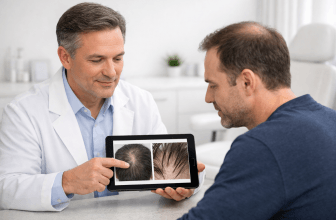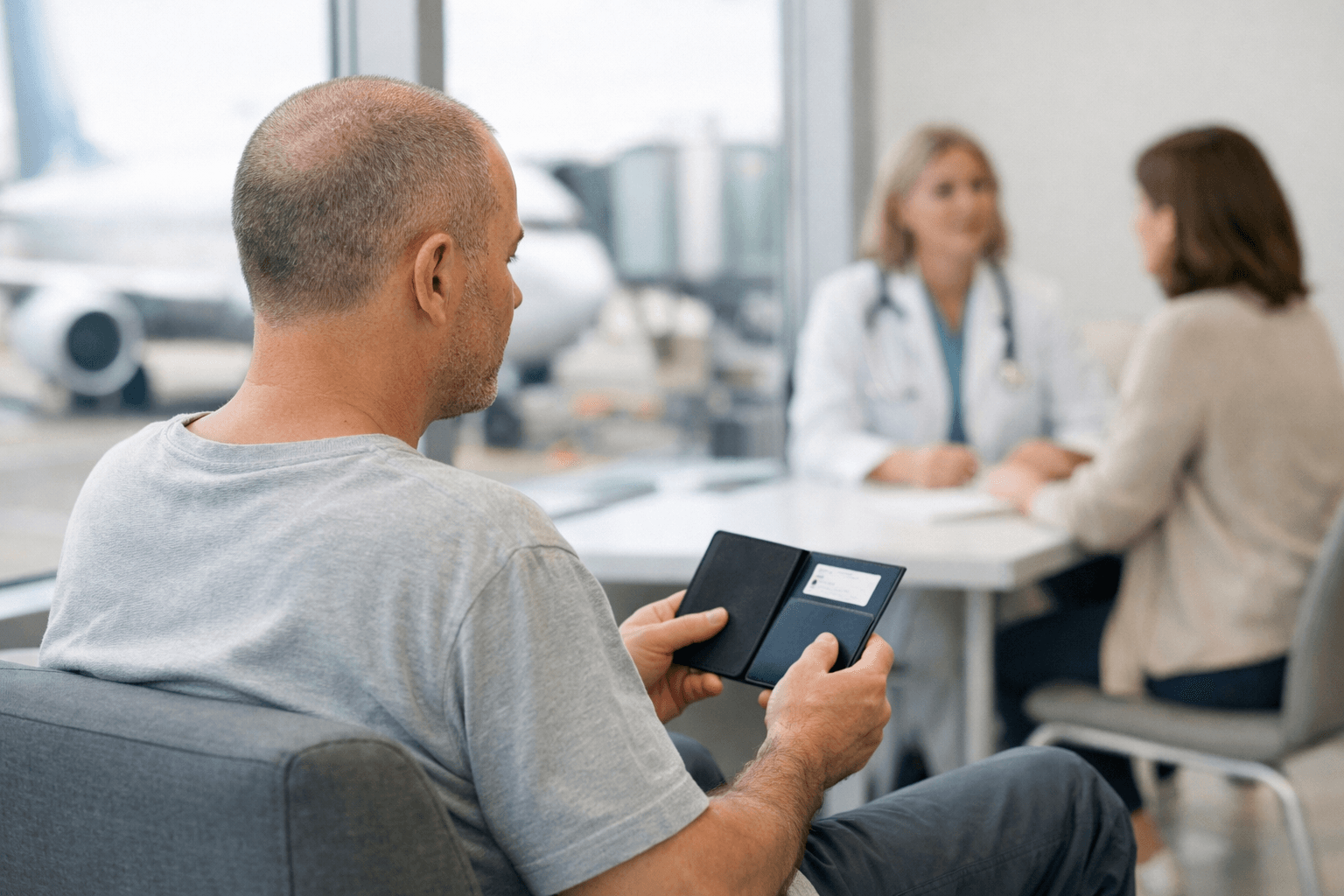
Many international patients ask, “How soon can I fly home after a hair transplant in Turkey?” The answer is not the same for everyone. There is no universally established, evidence-based waiting period specifically for flying after a hair transplant.
Hair transplantation is commonly performed under local anesthesia and is generally less extensive than major surgery. However, the first days after treatment are still an important recovery period. Scalp tenderness, swelling, crusting, itching, bleeding after trauma, infection, and graft displacement can occur. Long-distance air travel also involves prolonged sitting, which may increase the risk of blood clots in people who have recently undergone surgery.
For these reasons, your operating surgeon should decide when you are fit to fly. At Estexper Clinic, international patients should plan their return flight around their postoperative examination, the technique and extent of the procedure, their general health, and the length of the journey—not around a fixed promise that everyone can fly on the same day or the next day.
Is there a fixed number of days before flying?
No hair-transplant-specific international guideline establishes one minimum number of days that applies to every patient. The appropriate timing should be individualized by the qualified physician who performed or reviewed your treatment.
Some patients may be clinically well enough to travel relatively soon after an uncomplicated procedure, while others may need additional observation because of swelling, bleeding, discomfort, medical conditions, or the size of the treatment area. A postoperative review can help the clinical team confirm that the grafts and donor area appear stable and that there are no signs of complications.
It is important not to apply general advice for major surgery directly to hair transplantation. The Centers for Disease Control and Prevention discusses delaying air travel for 10–14 days after major surgery, while also emphasizing the need for individualized medical advice. Hair transplantation should not automatically be classified as major surgery on the basis of that guidance. Similarly, a 7–10-day recommendation cited for some facial cosmetic procedures is not a definitive rule for hair-transplant patients.
What factors affect when you can fly home?
Your surgeon may consider several factors before clearing you to travel internationally.
The procedure and treatment area
The technique used, the number of grafts handled, the size of the donor and recipient areas, and the duration of the procedure may all influence early recovery. A more extensive session may cause greater tenderness, swelling, or fatigue than a smaller procedure.
Your condition after treatment
Before travelling, your clinical team may assess whether you have uncontrolled bleeding, significant swelling, severe pain, fever, drainage, or other symptoms that require attention. If a concerning symptom is present, flying may need to be postponed until you have been examined and treated if necessary.
The timing of your postoperative review
An early follow-up appointment is especially useful for international patients. It gives the surgeon an opportunity to review the scalp, reinforce washing and sleeping instructions, check for possible complications, and decide whether travel is appropriate. The timing of this review will depend on your clinic’s protocol and your individual procedure.
Your flight duration and personal clotting risk
Flights lasting more than approximately four hours are commonly considered long-distance travel in guidance about venous thromboembolism, also known as VTE. Recent surgery is an additional clotting risk, and prolonged immobility during a flight can contribute to that risk.
Other personal factors may also matter. Tell your doctor about any previous blood clots, known clotting disorders, significant medical conditions, prescribed medicines, or other circumstances that could affect travel safety. Do not assume that a short hair procedure removes all flight-related risks.
Why the first few days require care
The newly implanted grafts need protection from pressure, rubbing, scratching, and accidental trauma. Early postoperative complications described in the hair-transplant literature include edema or swelling, itching, pain, infection, bleeding after scalp trauma, and graft extrusion or dislodgement.
Swelling of the forehead or eyelids can occur during the first several postoperative days. Although it is often temporary, it may be uncomfortable or inconvenient during a flight. Sitting for a long period, sleeping awkwardly, or accidental contact with the scalp in crowded travel environments may also make it harder to follow aftercare instructions.
These concerns do not mean that air travel is automatically unsafe after a hair transplant. They explain why the decision should be based on your actual recovery rather than a generic online timetable.
How to prepare for your flight home
If your surgeon has cleared you to travel, careful preparation can make the journey easier and help protect your recovery.
Confirm medical clearance
Ask the clinic to confirm whether you are fit to fly and whether any follow-up examination is needed before departure. Make sure you understand which symptoms should lead you to delay travel or seek urgent medical care.
Keep your aftercare instructions accessible
Carry your written postoperative instructions, prescribed medicines, and the clinic’s contact details in your hand luggage. Do not place essential medication in checked baggage. If you are travelling internationally, keep relevant medical information available in English or in a language you can use with airline or healthcare staff.
Plan comfortable clothing and luggage
Choose clothing that can be removed without pulling over the scalp if possible. Avoid putting pressure on the treated area with tight hats, headbands, or travel accessories unless your surgeon has specifically approved them. If possible, ask for assistance with heavy luggage to reduce unnecessary strain and the chance of accidental contact with the scalp.
Allow enough time at the airport
Rushing can make it more difficult to follow your postoperative routine. Arrive with enough time to move calmly through check-in and security, and keep your scalp protected according to the clinic’s instructions. If you have concerns about headwear, security screening, or wound care, ask the clinic before travelling.
How to reduce risks during a long flight
For a longer journey, movement is important. CDC travel guidance recommends getting up and walking regularly when possible, performing ankle and calf exercises while seated, and avoiding prolonged immobility. Simple movements can include flexing and extending the ankles and gently tightening and relaxing the calf muscles.
Discuss compression stockings with a healthcare professional if you have additional clotting risks. They are not automatically necessary for every hair-transplant patient, and the correct type and fit should be determined with medical advice. Medication to prevent clots should also be individualized. Aspirin should not be taken solely for travel-related clot prevention unless a clinician has specifically advised it for another medical reason.
Drink fluids according to your usual medical guidance and follow your surgeon’s instructions about medicines, washing, sleeping position, and contact with the grafts throughout the trip.
When should you postpone your flight?
Contact your clinic before travelling if you develop symptoms that are more severe than expected or are getting worse. A flight may need to be postponed if you have persistent or significant bleeding, rapidly increasing swelling, severe or uncontrolled pain, fever, pus-like drainage, spreading redness, or another symptom that concerns your medical team.
Urgent medical assessment is also needed for possible symptoms of a blood clot or pulmonary embolism. These may include one-sided leg swelling or pain, unexplained shortness of breath, chest pain, coughing blood, or fainting. These symptoms require urgent medical attention rather than routine contact with the clinic.
If you are already at the airport or on the aircraft and develop a serious symptom, notify airline staff and seek emergency help. Do not wait until you arrive home if you feel acutely unwell.
What should you expect after arriving home?
Arrange continuity of care before leaving Turkey. Ask Estexper Clinic how to contact the medical team after your return and whether a remote follow-up appointment is available. You should also know where to seek local medical care if a problem develops after you arrive home.
Continue the clinic’s instructions for washing, sleeping, medication, activity, and gradual resumption of haircare. Avoid changing the recommended routine based on advice from unqualified sources. If another healthcare professional examines you, explain when the procedure took place, which areas were treated, and what instructions you were given.
Recovery continues after the flight. Temporary crusting, tenderness, itching, and swelling may occur, but your surgeon should explain what is expected in your case and when symptoms require review. Protecting the scalp from avoidable pressure or trauma remains important during the early healing period.
Can you fly the same day or the next day?
Same-day or next-day travel should not be treated as a standard recommendation. Even when a procedure is uncomplicated, travelling immediately may leave little time for observation, postoperative education, or management of early swelling and discomfort.
Whether early travel is appropriate depends on your surgeon’s assessment, the procedure performed, your health, and the practical details of the journey. A long international flight is different from a short trip, and an individual with additional clotting risks may need a different plan from someone without those risks.
The safest approach is to schedule the trip so that you can attend the clinic’s recommended early review and travel only after receiving clear medical approval.
Questions to ask your clinic before booking flights
- When will my postoperative examination take place?
- What symptoms would mean that I should delay my flight?
- How should I protect the grafts during the journey?
- Can I wear a hat or other head covering, and if so, when?
- How often should I walk or perform leg exercises on a long flight?
- Do my personal medical conditions or medicines increase my clotting risk?
- Who should I contact if I have a concern after returning home?
- What local medical service should I use if I develop urgent symptoms?
Key takeaway
There is no universal number of days that guarantees it is safe for every patient to fly home after a hair transplant in Turkey. The decision should be made by your operating surgeon after considering your recovery, the procedure, your health, the length of the flight, and your access to follow-up care.
International patients should avoid planning a return flight solely around a fixed internet rule. Allow time for a postoperative review, follow graft-protection instructions, move regularly during long travel, and seek medical advice promptly if concerning symptoms develop. Your suitability for flying must be determined by a qualified physician who knows your individual circumstances.
Medical References
- An international expert consensus statement focusing on pre and post hair transplantation care. PubMed; Hair Transplant Surgery Expert Group.
- Complications in Hair Transplantation. Indian Journal of Plastic Surgery; PubMed Central.
- Medical Tourism: Travel to Another Country for Medical Care. Centers for Disease Control and Prevention.
- Deep Vein Thrombosis and Pulmonary Embolism. CDC Yellow Book; Centers for Disease Control and Prevention.
- Understanding Your Risk for Blood Clots with Travel. Centers for Disease Control and Prevention.
- Hair Transplantation: Preventing Post-operative Oedema. Journal of Cutaneous and Aesthetic Surgery; PubMed Central.