Written by: Estexper Medical Editorial Team
Medically reviewed by: Kafkas Celik, MD
Gastric bypass surgery is a major metabolic and bariatric operation designed to help selected patients manage obesity and related health conditions. The most common form, Roux-en-Y gastric bypass, creates a small stomach pouch and reroutes part of the small intestine. This limits the amount of food that can be eaten at one time and changes how food, digestive juices and hormones move through the digestive system.
In Short
Gastric bypass surgery involves a detailed medical assessment before surgery, an operation performed under general anesthesia, and a gradual recovery with staged eating. Long-term care includes prescribed supplements, laboratory monitoring, dietary changes and follow-up for possible complications. The exact plan, recovery course and suitability depend on the individual and the surgical team’s protocol.
Although many people focus on the operation itself, successful treatment involves much more than surgery. Preparation, nutritional education, medication review, gradual recovery, lifelong supplements and regular follow-up are all important parts of the process. This guide explains what may happen before, during and after gastric bypass surgery, including considerations for international patients planning treatment in Turkey.
What Is Gastric Bypass Surgery?
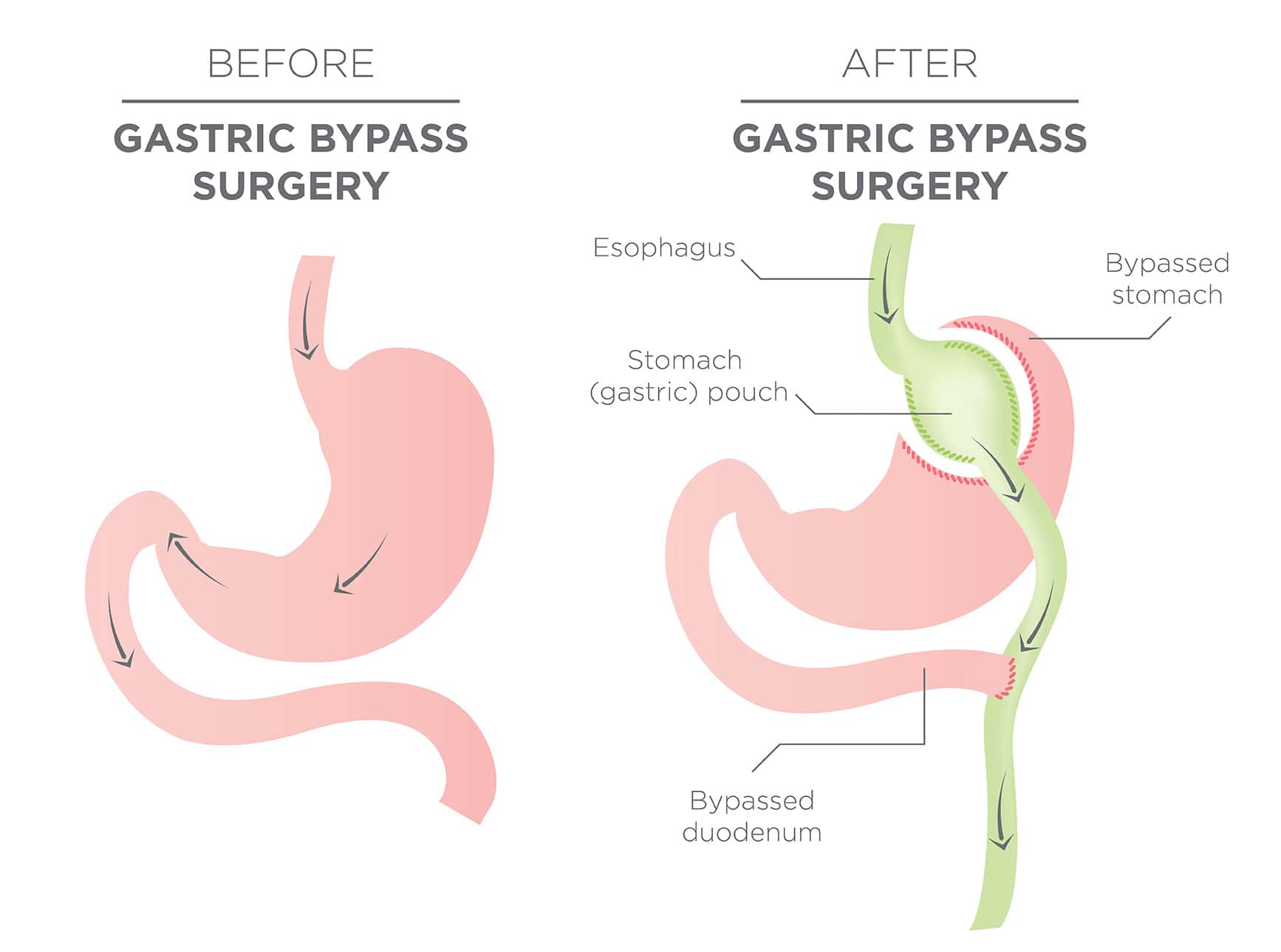
During a Roux-en-Y gastric bypass, the surgeon divides the upper part of the stomach to create a small pouch. This pouch is connected to a lower section of the small intestine, allowing food to bypass most of the stomach and the first part of the small intestine. The bypassed intestinal segment is then reconnected farther downstream so that bile and pancreatic digestive juices can mix with food.
The procedure has two important effects. First, the smaller pouch restricts the amount of food that can be consumed comfortably. Second, rerouting the intestine changes nutrient absorption and gastrointestinal hormone signals. These changes can influence appetite, fullness and blood sugar regulation, but the response varies between individuals.
Most procedures are performed using laparoscopic techniques through several small incisions and under general anesthesia. In selected circumstances, open surgery may be required. The operating approach depends on the patient’s health, previous abdominal surgery, anatomy and the surgeon’s assessment.
Who May Be Suitable for Gastric Bypass?
Gastric bypass is not suitable for everyone with excess weight. A qualified bariatric surgeon and specialist multidisciplinary team must assess whether the operation is appropriate. Suitability is generally considered in the context of factors such as body mass index, obesity-related conditions, previous attempts at treatment, overall health and the person’s ability to take part in long-term follow-up.
Assessment commonly involves a bariatric surgeon, physician or internist, dietitian and mental-health professional. Other specialists may be involved when a patient has specific medical conditions. The purpose is not simply to approve or reject surgery; it is to identify risks, prepare the patient and confirm that the expected benefits and responsibilities are understood.
Patients should be prepared to make lasting changes to eating habits, physical activity, medication use and nutritional supplementation. Gastric bypass is a long-term treatment, not a temporary intervention. Individual suitability must always be determined by a qualified physician after a complete medical evaluation.
Before Gastric Bypass: Preparation and Assessment
Medical and nutritional evaluation
Before surgery, the clinical team reviews your medical history, previous weight-management treatments, current symptoms, medications and obesity-related conditions. Physical examination and laboratory testing may be used to assess general health and identify nutritional deficiencies or medical issues that need attention before the operation.
A nutritional assessment is particularly important because gastric bypass can reduce food intake and alter nutrient absorption. The dietitian may explain the eating stages after surgery, portion sizes, protein-containing foods, fluid intake and the supplements that will be required. Learning these principles before the operation can make the early recovery period easier to manage.
Medication and health-condition review
Tell the team about every medicine, vitamin, mineral, herbal product and supplement you use. Some medicines may need to be adjusted around the time of surgery, while others may require a new form or dose after the operation. Do not stop prescribed medication unless your medical team tells you to do so.
Conditions such as diabetes, high blood pressure, sleep-related breathing problems and other obesity-associated illnesses may require specific perioperative planning. Medication needs can also change as weight and health conditions improve, so follow-up with the relevant physician remains important.
Readiness and practical planning
Preparation may also include discussing eating behaviors, emotional wellbeing and expectations. The team may want to understand whether you can follow dietary instructions, attend appointments and take supplements consistently. This is especially important for international patients arranging care in Turkey, who should plan how postoperative communication, laboratory testing and follow-up will be managed after returning home.
Before traveling, ask the clinic for written instructions about fasting, medications, required tests, expected length of stay, dietary stages, emergency contact arrangements and follow-up appointments. Keep copies of your medical records and discharge documents, and ensure that your local healthcare professional can communicate with the bariatric team when necessary.
What Happens on the Day of Surgery?
On the day of the operation, the team confirms your identity, procedure, medical history and consent. You will receive instructions about fasting and which medicines to take or avoid. Fasting requirements should be followed exactly because they are part of safe anesthesia preparation.
Gastric bypass is usually performed under general anesthesia. The surgical team creates the small upper stomach pouch, connects it to the small intestine and reconnects the bypassed intestinal segment farther downstream. The connections are checked according to the surgeon’s usual safety protocol before the incisions are closed.
Perioperative care commonly includes measures to reduce the risk of venous thromboembolism, appropriate antibiotic use when indicated, careful fluid management and a multimodal approach to pain relief. Enhanced-recovery pathways also encourage reducing unnecessary opioid use, helping patients walk early and beginning oral fluids at an appropriate time when the clinical team considers this safe.
The exact length of the procedure and hospital stay varies according to the surgical approach, individual health and hospital protocol. Your surgeon should explain the expected plan and the circumstances that could require a different approach.
Early Recovery in Hospital
After surgery, the team monitors you for pain, nausea, bleeding, leakage, infection, breathing problems, blood clots, dehydration and difficulty tolerating fluids. Nurses and doctors will assess your vital signs and recovery, while the surgical team will provide instructions about drinking and movement.
Early walking is commonly encouraged because mobility supports recovery and forms part of blood-clot prevention. Respiratory care may also be included. Pain relief is tailored to the patient, with the aim of providing effective comfort while limiting unnecessary sedation or opioid-related effects.
When clinically appropriate, the team may introduce small amounts of oral fluid. You should not advance your diet independently. The timing and type of fluids depend on the surgical team’s protocol and your ability to tolerate them.
Before discharge, you should receive clear instructions about medicines, wound care, fluid intake, diet progression, activity, warning symptoms and follow-up. Make sure you know how to contact the clinic if concerns develop after returning home.
Diet Progression After Gastric Bypass
Diet progression is gradual and varies between surgeons, hospitals and patients. A typical pathway moves from clear or full liquids to puréed foods, soft foods and eventually small portions of regular-textured foods. The stages are designed to allow healing and help you learn how your new digestive system responds.
Key eating habits
- Eat small portions slowly and chew food thoroughly.
- Follow the fluid instructions provided by your dietitian.
- Advance textures only when your surgical team advises you to do so.
- Avoid foods or eating patterns that trigger pain, nausea, vomiting or other symptoms.
- Follow guidance about protein, meals and drinks rather than trying to design your own plan.
Some people experience symptoms after eating particular foods or consuming meals too quickly. Your dietitian can help identify triggers and adjust your eating pattern safely. Persistent vomiting, inability to keep fluids down or worsening abdominal symptoms should be reported promptly to the clinical team.
Vitamins, Minerals and Long-Term Monitoring
Because gastric bypass reduces food intake and changes absorption, lifelong vitamin and mineral supplementation is an essential part of aftercare. Commonly monitored or supplemented nutrients include iron, vitamin B12, folate, calcium and vitamin D. Additional treatment may be recommended according to laboratory results, symptoms and individual clinical circumstances.
Supplements should be taken exactly as prescribed. Skipping them may increase the risk of nutritional problems even when you feel well. Blood tests are used to monitor nutritional status and detect deficiencies that may not cause obvious symptoms at first.
Long-term follow-up may include reviews of weight, obesity-related conditions, medicines, nutrition, gastrointestinal symptoms and mental health. The schedule and laboratory tests vary, but ongoing monitoring is an important part of safe gastric bypass care rather than an optional extra.
Possible Risks and Complications
Gastric bypass is major surgery and carries short- and long-term risks. Early complications can include bleeding, infection, blood clots, leakage from a staple line or surgical connection, bowel obstruction and dehydration. Respiratory problems and intolerance of oral fluids may also require assessment during the initial recovery period.
Later concerns can include nutritional deficiencies, anemia, marginal ulcers, gallstones, dumping symptoms, internal hernia, bowel obstruction and weight regain. Not every patient develops these problems, but you should understand the warning signs and attend recommended follow-up appointments.
Seek medical advice promptly if you develop severe or worsening abdominal pain, repeated vomiting, inability to drink, signs of bleeding, fever, breathing difficulty or other symptoms that concern you. If you are abroad or have returned home after treatment in Turkey, use the emergency contact instructions provided by the clinic and contact local emergency services when necessary.
Life After Gastric Bypass
Recovery continues after leaving the hospital. Your activity plan, work return and dietary progression should follow the advice of your surgical team. Gradual mobility is usually encouraged, while strenuous activities should be resumed only when your doctor considers them appropriate.
As weight changes and obesity-related conditions improve, medicines may need review by the prescribing physician. Long-term care may also include discussions about pregnancy planning, emotional wellbeing, eating behaviors and changes in weight over time. Weight regain can occur and should be addressed early with the bariatric team rather than treated as a personal failure.
For international patients, a clear follow-up plan is particularly important. Before leaving Turkey, confirm who will review your laboratory results, how often testing is required, how prescriptions will be managed and how to contact the clinic if symptoms occur. Your local doctor may also assist with routine monitoring while remaining in communication with the bariatric service.
Frequently Asked Questions
Is gastric bypass reversible?
Gastric bypass changes the anatomy of the stomach and small intestine and should be considered a long-term operation. Do not view it as a procedure that can simply be reversed if expectations are not met. Discuss its lasting effects and responsibilities carefully with your surgeon.
Can I return to normal eating after surgery?
Many patients eventually progress to a wider range of foods, but portions remain smaller and eating habits must change. The transition from liquids to regular textures is gradual and must follow your team’s protocol.
Will I need supplements permanently?
Lifelong supplementation and biochemical monitoring are generally important after gastric bypass because intake and absorption are altered. The exact supplements and doses should be prescribed according to your clinical assessment and laboratory results.
How should I choose a clinic in Turkey?
Ask whether the service provides multidisciplinary assessment, qualified bariatric surgeons, clear complication management, written aftercare instructions and accessible long-term follow-up. Confirm what is included in the treatment plan and how care will be coordinated after you return home.
Explore our Bariatric Surgery services in Turkey for an overview of treatment options and individual assessment.
TREATMENT OPTIONS
Explore Your Treatment Options
Find out more about our services and discuss which options may suit your individual needs.
YOUR NEXT STEP
Discuss Your Questions With Our Team
Request an individual assessment or ask our team about treatment planning and follow-up arrangements.
Medical References
- Types of Weight-loss Surgery — National Institute of Diabetes and Digestive and Kidney Diseases, National Institutes of Health.
- Medicines and surgery: Overweight and obesity management — National Institute for Health and Care Excellence.
- Guidelines for Perioperative Care in Bariatric Surgery: Enhanced Recovery After Surgery Society Recommendations: A 2021 Update — ERAS Society, World Journal of Surgery.
- American Society for Metabolic and Bariatric Surgery: postoperative care pathway guidelines for Roux-en-Y gastric bypass — American Society for Metabolic and Bariatric Surgery.
- British Obesity and Metabolic Surgery Society Guidelines on perioperative and postoperative biochemical monitoring and micronutrient replacement for patients undergoing bariatric surgery—2020 update — British Obesity and Metabolic Surgery Society.
- Complications of weight loss surgery — National Health Service.
This article is for general information and does not replace an individual consultation with a qualified physician. Gastric bypass suitability, preparation and aftercare must be tailored to your health and the protocol of your surgical team.