Written by: Estexper Medical Editorial Team
Medically reviewed by: Mehmet Kaya, MD
Dumping syndrome after gastric bypass is a recognized complication that can occur when food moves too quickly from the stomach pouch into the small intestine. It may cause digestive discomfort, sweating, a rapid heartbeat, weakness or symptoms related to low blood glucose after eating.
In Short
- Early dumping usually begins within one hour of eating and can cause abdominal symptoms, flushing, sweating, palpitations or light-headedness.
- Late symptoms typically occur one to three hours after a meal and may be related to post-meal low blood glucose.
- Smaller meals, slower eating, limiting rapidly absorbed sugars and separating fluids from meals are common first-line strategies.
- Frequent, severe, atypical or suspected hypoglycemic episodes need assessment by a qualified clinician.
Although dumping syndrome can be uncomfortable and disruptive, many patients improve with structured dietary changes and guidance from their bariatric team. The most appropriate approach depends on the timing and type of symptoms, your medical history and whether low blood glucose has been documented.
This guide explains early and late dumping, common food triggers, prevention strategies and when professional assessment is important. If you have undergone gastric bypass in Turkey or another country and need follow-up care, Estexper Clinic can help coordinate an evaluation with a qualified physician. Individual diagnosis and treatment must always be determined by a medical professional.
What Is Dumping Syndrome After Gastric Bypass?
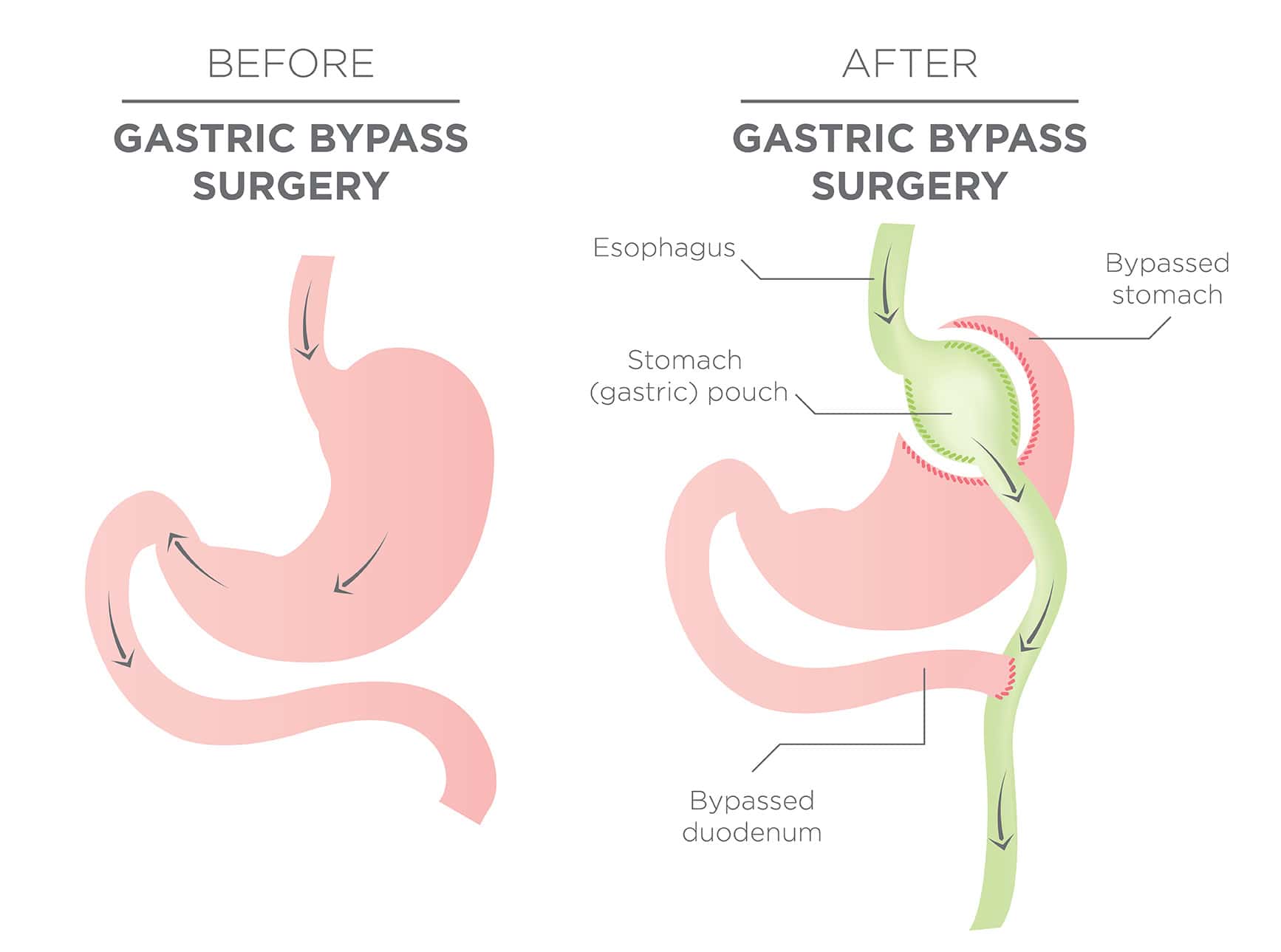
After Roux-en-Y gastric bypass, the normal stomach outlet and digestive pathway are changed. As a result, food may pass more rapidly into the small intestine than it did before surgery. This rapid delivery can alter intestinal fluid movement, digestive hormone release and blood glucose regulation.
Dumping syndrome is usually divided into two patterns:
- Early dumping: symptoms generally begin within the first hour after eating and often involve the abdomen and circulation.
- Late dumping: symptoms usually occur one to three hours after a meal and are associated with a rapid rise and subsequent fall in blood glucose, often involving excessive insulin release.
Not everyone experiences both types. Symptoms can also overlap with other conditions, including post-bariatric hypoglycemia. Recent medical literature increasingly treats post-bariatric hypoglycemia as a more specific disorder rather than automatically using it as another name for late dumping.
Early Dumping: Symptoms and Timing
Early dumping usually develops within 60 minutes of eating. It is linked to the rapid arrival of food and fluid in the small intestine, which may draw fluid into the intestine and trigger gastrointestinal and vasomotor responses.
Common early dumping symptoms
- Abdominal cramps or pain
- Bloating and a feeling of fullness
- Nausea
- Diarrhea or urgent bowel movements
- Increased bowel sounds or borborygmi
- Flushing or sweating
- Palpitations or a fast heartbeat
- Light-headedness or low blood pressure
- Fatigue and a desire to sit or lie down
Early symptoms may be more likely after a large meal, a meal containing rapidly absorbed carbohydrates or foods that are particularly high in sugar and fat. The exact triggers vary between individuals, so recording what you eat and when symptoms occur can be useful during a clinical review.
Late Dumping and Post-Bariatric Hypoglycemia
Late dumping generally occurs one to three hours after eating. It is primarily associated with post-meal hypoglycemia, which means that blood glucose falls too low after an initial rise. Rapid carbohydrate absorption followed by an exaggerated insulin response may contribute to this pattern.
Possible late symptoms
- Weakness or unusual tiredness
- Hunger soon after eating
- Trembling or shakiness
- Sweating
- Palpitations
- Irritability or difficulty concentrating
- Confusion
- Fainting or loss of consciousness
Symptoms that occur during fasting, at night or without a clear relationship to meals need careful assessment because they may not represent typical dumping syndrome. Similarly, symptoms alone do not prove that blood glucose is low. A clinician may recommend documenting glucose during an episode or using a suitable test under medical supervision.
Food Triggers That Can Make Dumping Worse
Food triggers are not identical for every patient, but rapidly absorbed carbohydrates are among the most important foods to address, particularly when symptoms resemble late dumping or post-bariatric hypoglycemia.
Sugary foods and drinks
Sweetened drinks, fruit juices, sweets, desserts, cakes, biscuits and other foods containing concentrated sugar can be absorbed quickly. They may cause a sharp increase in blood glucose followed by a rapid insulin response. This pattern can contribute to late symptoms in susceptible patients.
Refined and high-glycemic carbohydrates
White bread, refined cereals, many bakery products and other rapidly digested carbohydrate foods may trigger symptoms. A physician or dietitian can help you identify suitable lower-glycemic alternatives that fit your nutritional needs after surgery.
Large or calorie-dense meals
Even if a meal is not particularly sweet, a large portion can reach the small intestine rapidly and provoke early symptoms. Calorie-dense meals containing substantial amounts of refined sugar and fat may be especially difficult for some patients.
High-fat foods
High-fat foods may contribute to early gastrointestinal symptoms in some people. However, dietary fat should not be eliminated without professional advice because patients after gastric bypass still need adequate nutrition and individual tolerance varies.
Keeping a simple diary can help identify patterns. Record the meal, approximate portion, time of eating, symptoms, symptom onset and any glucose measurement available. Bring this information to your bariatric surgeon, physician or dietitian.
How to Prevent Dumping Syndrome
Dietary management is generally the first-line approach. The aim is to slow eating, reduce rapid carbohydrate absorption, control meal volume and support steady nutrition.
1. Choose smaller meals
Eat smaller, controlled portions rather than large meals. Many people find that spreading food across several meals is easier to tolerate, but the number and size of meals should follow the plan provided by your bariatric team.
2. Eat slowly and chew thoroughly
Take time with each meal and chew food well before swallowing. Eating quickly can increase the amount of food consumed and may make symptoms more likely. Avoid eating while distracted if this causes you to eat faster than intended.
3. Prioritize protein and fiber
Include a suitable protein source with meals and select fiber-rich foods when tolerated. Protein and fiber may help make meals more satisfying and can reduce reliance on rapidly absorbed carbohydrates. Your dietitian can advise on appropriate portions and food choices during each stage of recovery.
4. Limit rapidly absorbable sugars
Avoid or substantially reduce sugary drinks, concentrated juices, sweets and desserts if they trigger symptoms. Read food labels carefully because sugar can be present in drinks, sauces, flavored dairy products and packaged snacks.
5. Select lower-glycemic carbohydrates
When carbohydrates are included, choose options that are less rapidly absorbed and combine them with protein or other appropriate foods. The best choices depend on your tolerance, nutritional status and the dietary stage after surgery.
6. Separate fluids from meals
Drinking large amounts with food may increase the speed at which contents pass into the small intestine for some patients. Many bariatric nutrition plans recommend delaying fluids rather than drinking together with meals. Follow the specific timing instructions provided by your clinician because hydration remains important.
7. Avoid personal triggers
Once a pattern is identified, temporarily avoiding the food or meal combination that causes symptoms may help. Do not remove broad food groups for a prolonged period without professional guidance, particularly after bariatric surgery when nutritional deficiencies are a concern.
How Is Dumping Syndrome Diagnosed?
Diagnosis is usually based on the timing, symptoms and relationship to eating. Your clinician may ask about the type of surgery, recent dietary changes, medications, meal size and whether symptoms occur soon after eating or several hours later.
Further evaluation may be needed when symptoms are severe, atypical or suggest hypoglycemia. Depending on the situation, a clinician may recommend glucose documentation during symptoms or a supervised provocative test. Testing approaches are not identical for general dumping syndrome and suspected post-bariatric hypoglycemia, so self-testing or unsupervised fasting experiments should not replace medical assessment.
Dumping syndrome estimates vary considerably because studies use different definitions, questionnaires and diagnostic tests. Some reports suggest that symptoms may affect a substantial proportion of people after Roux-en-Y gastric bypass, with figures of up to approximately 40% described in some contexts. This should be understood as an estimate rather than a universal rate or a prediction for an individual patient.
When Should You Seek Medical Advice?
Arrange a medical review if symptoms are frequent, worsening or interfering with eating, work or daily activities. You should also seek assessment if you are losing weight unexpectedly, struggling to maintain nutrition or cannot identify consistent food triggers.
Prompt or urgent medical attention is especially important for confusion, fainting, loss of consciousness, severe palpitations, repeated episodes of suspected low blood glucose or symptoms that occur without eating. These features may require confirmation of glucose levels and evaluation for other causes.
Do not assume that every episode of dizziness, weakness or sweating after surgery is dumping syndrome. Other medical conditions, medications and nutritional problems can produce similar symptoms.
Treatment When Dietary Changes Are Not Enough
Most management begins with dietary and behavioral strategies. If symptoms continue despite careful changes, a specialist may consider medication or other treatment options based on the documented pattern.
For persistent hypoglycemic symptoms, medicines such as acarbose may be considered by a physician in selected cases. Medication is not appropriate for everyone and should be prescribed and monitored by a qualified clinician.
Procedural or surgical approaches are generally reserved for severe, persistent and carefully evaluated cases. Evidence for surgical re-intervention remains limited or uncertain, so decisions require specialist review and a clear understanding of potential risks and expected benefits.
Follow-Up for International Patients in Turkey
Patients who had gastric bypass abroad, or who travel to Turkey for bariatric care, should arrange a clear follow-up plan before changing their diet or taking medication. Bring operative records, discharge documents, current medications, laboratory results and a food-and-symptom diary whenever possible.
A qualified physician should review whether symptoms are consistent with early dumping, late dumping, post-bariatric hypoglycemia or another problem. Remote advice may help with initial coordination, but it does not replace an in-person examination or appropriate testing when symptoms are serious.
Frequently Asked Questions
Is dumping syndrome common after gastric bypass?
It is a recognized complication, but reported prevalence varies widely because researchers use different definitions and testing methods. A reported percentage should not be treated as a guaranteed likelihood for every patient.
Can I prevent dumping syndrome completely?
Dietary habits can reduce symptoms for many patients, but no strategy guarantees complete prevention. Individual tolerance, anatomy, meal composition and other health factors all matter.
Should I stop eating carbohydrates?
Usually, the focus is on limiting rapidly absorbed and refined carbohydrates rather than eliminating all carbohydrates. Your bariatric dietitian can recommend suitable portions and alternatives that support balanced nutrition.
Are late dumping and low blood sugar the same?
They overlap in terminology and timing, but they are not automatically identical in every patient. Low blood glucose should be documented and evaluated when possible, particularly if symptoms are severe or occur outside the usual post-meal period.
Medical References
- International consensus on the diagnosis and management of dumping syndrome — Nature Reviews Endocrinology / International multidisciplinary consensus.
- Dumping syndrome after esophageal, gastric or bariatric surgery: pathophysiology, diagnosis, and management — Obesity Reviews.
- Dumping syndrome: Update on pathophysiology, diagnosis, and management — Neurogastroenterology & Motility.
- ASMBS Position Statement on Postprandial Hyperinsulinemic Hypoglycemia after Bariatric Surgery — American Society for Metabolic and Bariatric Surgery.
- Dumping Syndrome following Bariatric surgery — Oxford University Hospitals NHS Foundation Trust.
This article is for general education and does not replace an individualized consultation with a qualified physician or bariatric dietitian.