Written by: Estexper Medical Editorial Team
Medically reviewed by: Mehmet Kaya, MD
A bariatric surgery consent form in Turkey should be more than a page requesting your signature. It should record an individualized conversation between you and your healthcare team about the proposed operation, expected benefits, possible complications, alternatives and the care required after surgery.
In Short
Before signing a bariatric surgery consent form in Turkey, you should understand the exact procedure, its expected benefits and limitations, important short- and long-term risks, alternatives, and what may happen if you decline surgery. The discussion should also cover anesthesia, recovery, nutritional supplements, follow-up and pregnancy planning where relevant. Your suitability and risks should be assessed individually by qualified medical professionals.
This is especially important for international patients, who may be making decisions in an unfamiliar healthcare system or communicating in a second language. You should have enough time to ask questions, receive understandable information and consider whether the planned treatment is appropriate for your health and personal goals. A qualified physician must determine your suitability for surgery after reviewing your medical, nutritional and psychological circumstances.
Turkish Ministry of Health quality standards indicate that written consent for surgery and procedures involving anesthesia should identify the healthcare professional performing the procedure, expected benefits, possible consequences of not proceeding, available alternatives, risks and complications, estimated duration, and the relevant patient and clinician identification and signatures. For bariatric surgery, the discussion should also address long-term lifestyle and follow-up requirements.
Why the consent form matters
Informed consent is a process, not simply a document. The form should reflect what was explained to you and should match the exact operation being proposed. A generic form that does not identify the procedure or discuss its specific risks may not give you the information needed for a meaningful decision.
Consent also does not mean that every possible complication will occur, nor does it guarantee a particular amount of weight loss or improvement in diabetes, blood pressure, sleep-related conditions or other obesity-associated health problems. Outcomes vary according to the operation, your health, adherence to follow-up and other individual factors.
1. The exact bariatric procedure being offered
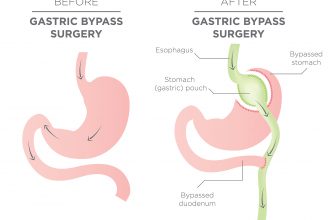
Before signing, the form and consultation should clearly name the proposed operation. Examples include sleeve gastrectomy, Roux-en-Y gastric bypass, adjustable gastric banding or another bariatric procedure. Each operation changes the digestive system differently and has its own benefits, limitations and potential complications.
What should be explained about the operation?
- Which organs or sections of the digestive system will be changed, removed, connected or restricted.
- Whether the main effect is reduced stomach capacity, altered food passage, changes in absorption, or a combination of factors.
- How the procedure may affect eating speed, portion size, food tolerance and digestion.
- Whether the operation is intended to be permanent and whether reversal or revision would be possible or complex.
- The expected duration of the procedure and the type of anesthesia involved.
Ask the surgeon to explain the operation in language you understand, using diagrams if helpful. If the consent form uses unfamiliar terms, request clarification before signing. You should understand what will happen anatomically rather than consenting only to a procedure name.
2. Expected benefits and realistic outcomes
The consent discussion should describe the intended benefits without presenting them as guaranteed results. Bariatric surgery may support clinically meaningful weight loss and may improve some obesity-related conditions, quality of life and physical function. However, the amount of weight loss and degree of disease improvement differ between patients and procedures.
The form should avoid promises of a specific body weight, clothing size or permanent remission of diabetes. It should explain that weight may stabilize at different levels, and that some patients experience weight recurrence over time. The benefits should be considered alongside the need for dietary changes, physical activity, medication review, nutritional supplementation and long-term monitoring.
Ask how the proposed procedure compares with your personal goals. For example, your priorities may include health improvement, mobility, reflux symptoms, fertility planning, medication reduction or quality of life. A suitable operation depends on your medical circumstances and not only on the expected effect on weight.
3. Important short-term and serious risks
A complete consent process should address common perioperative risks as well as serious but less frequent complications. The exact risk profile depends on the operation, your health, previous procedures, medications and the experience and resources of the treating team.
Potential risks that may be discussed include:
- Bleeding or the need for blood transfusion or further intervention.
- Infection, wound problems or an intra-abdominal infection.
- A leak from a staple line or surgical connection.
- Blood clots, including venous thromboembolism.
- Anesthesia-related or breathing complications.
- Unexpected injury to nearby structures.
- Need for endoscopy, reoperation or another procedure.
- Readmission to hospital or a longer-than-expected stay.
- Failure to achieve the intended result or the need for later revision surgery.
- Death, which is uncommon but should be included among serious surgical risks.
You should also be told what symptoms after discharge require urgent medical attention and whom to contact if a concern develops. International patients should clarify whether emergency support is available locally, how follow-up is organized and what happens if they return home before the usual postoperative review.
4. Procedure-specific and long-term consequences
Bariatric surgery creates lasting changes, so consent should not focus only on the first few days after the operation. Depending on the procedure, longer-term concerns may include micronutrient deficiencies, anemia, reduced bone health, reflux, food intolerance, dumping syndrome, ulcers, bowel obstruction or internal hernia, gallstones, kidney stones and weight recurrence.
Some operations may have a greater effect on nutrient absorption than others. This can influence the type and intensity of vitamin and mineral supplementation and the laboratory tests required. Your consent discussion should explain which supplements are expected, whether they are likely to be long term or lifelong, and how deficiencies will be detected and treated.
Ask whether the proposed procedure may worsen or improve reflux symptoms, how food intolerance could affect daily life, and whether additional endoscopic or surgical treatment might be needed later. These are not reasons that surgery is necessarily unsuitable, but they are important parts of an informed decision.
5. Anesthesia, hospital care and recovery
The consent form should identify that anesthesia is required and explain relevant anesthesia risks in the context of your medical history. Tell the team about allergies, previous anesthesia problems, sleep-related breathing problems, medications, smoking, alcohol use and any other conditions that may affect surgery or recovery.
You should receive practical information about the expected hospital stay and immediate recovery, including pain control, movement after surgery, prevention of blood clots, fluid intake and the progression of your diet. The exact recovery experience varies, so avoid relying only on another patient’s timeline.
Before leaving Turkey, ask what follow-up is recommended, which symptoms require urgent assessment and whether your medical records, operative report and discharge instructions will be provided in a language you understand. If you plan to travel soon after surgery, discuss this directly with the treating team rather than assuming that travel will be appropriate.
6. Dietary, behavioral and nutritional responsibilities
Consent should make clear that surgery is a tool requiring durable behavioral and nutritional changes. Preparation and aftercare may include a staged diet, gradual changes in portion size, careful eating habits, physical activity, prescribed vitamin and mineral supplements, laboratory monitoring and attendance at follow-up appointments.
You should understand what happens if you cannot tolerate the recommended diet, do not take supplements or miss monitoring. Nutritional problems may develop without obvious symptoms, which is why long-term laboratory assessment is important. NICE recommends specialist follow-up for at least two years and ongoing annual monitoring of nutritional status and supplementation after discharge from bariatric services.
Ask who will coordinate your care after returning home. A multidisciplinary team may include a bariatric surgeon, physician, dietitian, nurse and mental-health professional. If the clinic in Turkey does not provide long-term international follow-up, obtain a clear plan for working with a qualified healthcare professional in your home country.
7. Psychological and social considerations
Preoperative assessment should consider psychological and behavioral factors that may influence preparation, recovery and long-term adaptation. The discussion may include eating disorders, depression or other psychiatric conditions, body-image concerns, alcohol or substance-use risk, relationship changes and access to psychological support.
This does not mean that a mental-health diagnosis automatically prevents surgery. It means that relevant concerns should be identified and managed so that you can make an informed decision and receive appropriate support. Ask whether psychological follow-up is available if eating behavior, mood, body image or relationships change after surgery.
8. Pregnancy planning after bariatric surgery
If pregnancy is possible or planned, it should be discussed before signing. Rapid weight loss and nutritional deficiencies after surgery may create additional concerns during pregnancy, including fetal-growth problems. Professional sources recommend discussing contraception, timing of conception, supplementation, laboratory monitoring and specialist preconception care.
Ask how long your surgical team recommends waiting before trying to conceive and whether your plan should be coordinated with an obstetrician and dietitian. Recommendations must be individualized, particularly if you already have nutritional deficiencies, take medication or have other medical conditions.
9. Alternatives and the consequences of declining surgery
Informed consent should explain reasonable alternatives, not only the preferred operation. Depending on your circumstances, alternatives may include continued medical and lifestyle treatment, structured weight-management support or a different bariatric procedure. Comparative evidence indicates that weight-loss results, quality-of-life effects, adverse events and revision rates can differ between operations.
You should also be told what may happen if you decide not to proceed. This may include persistence or progression of obesity-related health problems, but the likely consequences depend on your individual health and available non-surgical care. The purpose is not to pressure you. It is to help you compare the potential benefits and risks of surgery with the potential benefits and limitations of other options.
10. Questions to ask before signing in Turkey
- What is the exact name of my operation, and why is it suitable for me?
- How will the operation change my anatomy, eating and nutrient absorption?
- What benefits are realistic in my case, and what cannot be guaranteed?
- Which complications are common, and which serious complications require urgent treatment?
- Could I develop reflux, dumping syndrome, ulcers, deficiencies or bowel complications?
- How long will the operation and hospital stay usually take?
- What diet, supplements, tests and follow-up will I need?
- Who will manage my care after I return home?
- Could I need an endoscopic procedure or revision surgery later?
- What alternatives are available, and what could happen if I do not have surgery?
- How might surgery affect pregnancy planning, medication use or existing conditions?
- Can I receive a copy of the completed consent form and my medical records?
When you should pause before signing
Consider delaying your signature until your questions are answered if the form does not name the exact operation, the risks are described only in general terms, alternatives are not discussed, expected outcomes are presented as guarantees, or you are unable to communicate effectively with the team.
You should also pause if you feel pressured to decide immediately, do not understand the postoperative commitments, have not disclosed important medical or psychological information, or have not been given a clear plan for follow-up. Consent should be voluntary and understandable. You may ask for an interpreter or translated explanation if needed.
Key takeaway
A bariatric surgery consent form in Turkey should document a detailed, personalized discussion rather than function as a generic signature page. Before signing, make sure you understand the exact procedure, anatomical changes, realistic benefits, short- and long-term risks, anesthesia and recovery, alternatives, consequences of declining surgery and the lifelong or long-term responsibilities of nutritional care and follow-up.
Every patient’s suitability and risk profile is different. Discuss the form with the qualified bariatric surgeon and the wider clinical team, and consider obtaining independent medical advice if you remain uncertain. Estexper Clinic can help patients understand the questions to raise during their consultation, but the final decision should be based on an individualized assessment by the responsible medical professionals.
Explore our Bariatric Surgery services in Turkey for an overview of treatment options and individual assessment.
TREATMENT OPTIONS
Explore Your Treatment Options
Find out more about our services and discuss which options may suit your individual needs.
YOUR NEXT STEP
Discuss Your Questions With Our Team
Request an individual assessment or ask our team about treatment planning and follow-up arrangements.
Medical References
- Department of Quality, Accreditation and Workers’ Rights in Health, Republic of Türkiye Ministry of Health. Turkey-specific consent requirements and information recommended before surgery, anesthesia, sedation and other high-risk procedures.
- Medicines and surgery: Overweight and obesity management, NICE guideline NG246, National Institute for Health and Care Excellence. Multidisciplinary assessment, procedural information, psychological and nutritional support, and follow-up expectations.
- Informed Consent, American Society for Metabolic and Bariatric Surgery. Individualized discussion of medical, psychological, behavioral, nutritional and social risks.
- Clinical Practice Guidelines for the Perioperative Nutritional, Metabolic, and Nonsurgical Support of the Bariatric Surgery Patient—2013 Update, American Association of Clinical Endocrinologists, The Obesity Society and American Society for Metabolic and Bariatric Surgery. Informed consent, procedural options, long-term follow-up and supplementation.
- Benefits and Risks of Bariatric Surgery in Adults: A Review, JAMA / PubMed. Shared decision-making and comparison of bariatric surgery with medical and lifestyle treatment.
- Care of Patients After Bariatric Surgery in the Periconceptional and Perinatal Periods, PubMed and peer-reviewed medical literature. Pregnancy planning, nutritional monitoring and multidisciplinary care after bariatric surgery.