Written by: Estexper Medical Editorial Team
Medically reviewed by: Fatih Karaca, MD
Gallstones after bariatric surgery are a recognized complication, particularly while a person is losing weight quickly and eating less than usual. Many stones never cause symptoms and do not require treatment, but some can lead to painful attacks or complications that need prompt medical care.
In Short
Rapid weight loss after bariatric surgery can increase the chance of gallstones, although many gallstones remain symptom-free. Ursodeoxycholic acid (UDCA) may reduce stone formation for selected patients during the rapid-weight-loss period, but it should be discussed with a qualified physician. Gallbladder removal is generally considered for symptomatic stones or acute cholecystitis; fever, jaundice, persistent vomiting or worsening abdominal pain require urgent medical assessment.
Understanding the warning signs and available management options can help patients seek care at the right time. This guide explains why gallstones may develop after bariatric surgery, how they are assessed, what may reduce the risk, and when gallbladder removal is considered. Individual decisions should always be made with a qualified physician who understands your medical history and bariatric procedure.
Why Do Gallstones Develop After Bariatric Surgery?
Gallstones are solid particles that form in the gallbladder from substances in bile. Bariatric surgery can increase the likelihood of stone formation because it is commonly followed by rapid weight loss and reduced food intake. These changes can alter how the gallbladder empties and may make bile more likely to form crystals and stones.
The risk is not identical for every patient. Reported rates vary depending on the type of bariatric procedure, the speed and amount of weight loss, the length of follow-up, and whether studies count silent stones or only symptomatic disease. A 2023 systematic review and Bayesian meta-analysis estimated new gallstone disease after bariatric surgery at approximately 20.7%, while symptomatic disease was estimated at approximately 8.2%. These figures are population estimates rather than a prediction for an individual patient.
The presence of gallstones before surgery is also relevant. Some patients already have stones or biliary symptoms when they are assessed for bariatric surgery. Others develop stones during the postoperative weight-loss period.
Symptoms of Gallstones After Bariatric Surgery
Gallstones may be asymptomatic, meaning they are discovered during imaging performed for another reason and do not cause discomfort. When symptoms occur, they may include:
- Episodic pain in the right upper abdomen or upper middle abdomen
- Pain that may occur after eating and can be persistent or severe
- Nausea or vomiting
- Increasing tenderness in the upper abdomen
A typical gallstone attack may settle, but recurring or persistent symptoms should be assessed rather than assumed to be a normal part of postoperative recovery. Upper-abdominal pain after bariatric surgery can have several possible causes, so medical evaluation is important before attributing symptoms to the gallbladder.
Warning signs requiring urgent medical assessment
Seek urgent medical help if abdominal pain is accompanied by fever, jaundice, worsening tenderness, or persistent vomiting. Jaundice may appear as yellowing of the skin or whites of the eyes. These symptoms can indicate inflammation, bile-duct obstruction or another complication.
Severe or persistent pain with vomiting may also require urgent assessment because gallstone disease can sometimes be associated with pancreatitis. Cholangitis, an infection related to bile-duct obstruction, is another potentially serious complication. Patients who have recently travelled for bariatric surgery should know how to access emergency care locally and should not delay treatment while arranging an international follow-up appointment.
How Are Postoperative Gallstones Diagnosed?
A physician will usually review the timing and character of the pain, associated symptoms, previous gallbladder findings and the type of bariatric operation performed. Assessment may include a physical examination, blood tests and abdominal imaging. Ultrasound is commonly used to evaluate the gallbladder and can help identify stones or signs of inflammation.
If a common bile duct stone is suspected, additional evaluation may be needed. The appropriate investigation and treatment depend on the clinical findings, anatomy after bariatric surgery and local specialist expertise. Suspected bile-duct stones, cholangitis or pancreatitis should be managed promptly by an appropriate medical team.
Can Gallstones Be Prevented After Bariatric Surgery?
Prevention is not completely standardized. The most important risk factor is often the rapid-weight-loss phase, which is also an intended part of many bariatric treatment plans. Patients should follow their bariatric team’s nutrition and follow-up instructions rather than trying to slow or alter weight loss independently.
Ursodeoxycholic acid, commonly called UDCA, is a prescription medicine that may reduce the formation of gallstones during the postoperative weight-loss period. Randomized-trial meta-analyses generally show that UDCA reduces postoperative gallstone formation. Commonly studied regimens include approximately 500 to 600 mg daily for around six months, but this should be presented as an evidence-based example, not a universal prescription. The dose, duration and suitability depend on the patient, procedure, other medicines and clinician or local guideline practice.
Evidence is less consistent regarding whether UDCA prevents symptomatic gallstone disease or the need for later cholecystectomy. The UPGRADE randomized trial did not find a significant overall reduction in symptomatic gallstone disease across all participants, although a benefit was reported in a subgroup of patients without preoperative gallstones who underwent Roux-en-Y gastric bypass. For this reason, UDCA should be discussed with a qualified physician rather than started without medical advice.
Practical prevention and monitoring
- Attend scheduled postoperative bariatric and medical reviews.
- Follow the recommended nutrition plan and hydration guidance.
- Tell your team about previous gallstones, upper-abdominal pain or abnormal liver tests.
- Ask whether UDCA is appropriate during the rapid-weight-loss period.
- Report recurring abdominal pain, nausea, vomiting, fever or jaundice promptly.
There is no reliable way to guarantee that gallstones will not form. Regular follow-up is intended to identify symptoms and complications early, not to promise that silent stones will always be detected.
Should the Gallbladder Be Removed During Bariatric Surgery?
Routine removal of a normal, asymptomatic gallbladder during bariatric surgery is not generally recommended for every patient. A 2023 review found that prophylactic concomitant cholecystectomy may increase major postoperative complications, which supports a selective rather than universal approach.
Removal of the gallbladder before or during bariatric surgery may be considered when a patient has documented gallstones with biliary symptoms or another clear gallbladder-related indication. Professional bariatric guidance supports considering cholecystectomy for symptomatic gallstone disease, although the quality of evidence in this area is limited.
When gallstones are present without symptoms and the gallbladder and bile ducts are otherwise normal, expectant management is usually appropriate. The patient and surgeon may discuss the imaging findings, symptoms, operative risks and the potential effect of adding another procedure. The final decision should be individualized.
When Is Gallbladder Removal Needed After Bariatric Surgery?
Laparoscopic cholecystectomy is generally the definitive treatment for symptomatic gallbladder stones. It may be recommended when gallstones cause repeated biliary pain or other clinically significant symptoms. The procedure removes the gallbladder so that stones cannot continue to form there and cause recurrent attacks.
Gallbladder removal is also generally indicated for acute cholecystitis, which is inflammation of the gallbladder. NICE recommends early laparoscopic cholecystectomy, within one week of diagnosis, for acute cholecystitis when clinically appropriate. Urgent or early specialist management may be needed for suspected common-bile-duct stones, cholangitis or pancreatitis.
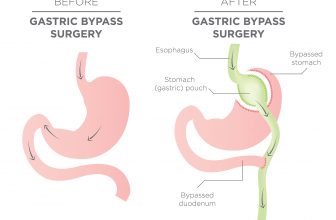
The timing and technical plan can be more complex after certain bariatric procedures because the altered digestive anatomy may affect access to the bile ducts and the choice of endoscopic or surgical treatment. This is one reason it is important to provide the treating team with details of your bariatric operation, operative report and previous imaging whenever possible.
When surgery may not be necessary
Asymptomatic gallstones in a normal gallbladder and biliary tree are usually managed expectantly. This means monitoring for symptoms rather than removing the gallbladder immediately. An incidental finding of stones does not automatically mean that surgery is needed.
Expectant management does not mean ignoring symptoms. New or worsening pain, fever, jaundice or vomiting should be reassessed. A physician may change the treatment plan if symptoms develop or if imaging and blood tests suggest inflammation or bile-duct complications.
What Does Laparoscopic Gallbladder Removal Involve?
Laparoscopic cholecystectomy is performed through small abdominal incisions using a camera and surgical instruments. The gallbladder is separated and removed, usually under general anaesthesia. The exact operative plan, hospital stay and recovery experience vary according to the patient’s health, previous bariatric procedure, gallbladder inflammation and any bile-duct involvement.
Patients considering treatment in Turkey or travelling internationally should arrange an assessment with a qualified surgeon before making plans. The clinic should review the original bariatric operation, current symptoms, imaging, medication list and relevant medical conditions. It is also important to ask who will provide emergency care if symptoms worsen before surgery or during travel.
Recovery and Aftercare
After gallbladder surgery, patients receive individualized instructions about activity, wound care, eating and follow-up. Recovery may be different when surgery is performed during acute inflammation or when additional bile-duct treatment is required. Follow the treating team’s instructions and contact them if pain is worsening rather than improving, fever develops, wounds become increasingly red or swollen, or vomiting prevents fluid intake.
After bariatric surgery, dietary advice must also take the altered digestive system into account. Do not make major dietary changes or stop prescribed medication without consulting your bariatric or surgical team. Keep records of both procedures and provide them to any doctor who treats you in the future.
Important Questions to Ask Your Doctor
- Are my symptoms more consistent with gallstones or another postoperative problem?
- Do my scans show stones, gallbladder inflammation or bile-duct obstruction?
- Would UDCA be appropriate for me, and what dose and duration would you recommend?
- Should my gallbladder be removed now, or is monitoring reasonable?
- How does my bariatric procedure affect possible bile-duct evaluation or treatment?
- What symptoms should prompt emergency care?
- What follow-up will I need if I have surgery in another country?
Key Takeaways
Gallstones can form after bariatric surgery, especially during rapid weight loss and reduced food intake, but many remain silent. UDCA may reduce stone formation for selected patients, although evidence about preventing symptomatic disease is mixed and prescribing practices vary.
Routine removal of an asymptomatic gallbladder is not generally required. Selective or concomitant removal may be considered when gallstones or biliary symptoms are already present. After surgery, symptomatic stones and acute cholecystitis are common reasons for laparoscopic cholecystectomy, while fever, jaundice, persistent vomiting or worsening abdominal pain require urgent medical assessment.
Medical References
- Efficacy of prophylactic ursodeoxycholic acid in preventing gallstone formation after metabolic bariatric surgery: an updated systematic review and meta-analysis of randomized controlled trials. PubMed; Journal of Gastrointestinal Surgery.
- Risk and Prophylactic Management of Gallstone Disease in Bariatric Surgery: a Systematic Review and A Bayesian meta-analysis. PubMed; Journal of Gastrointestinal Surgery.
- Ursodeoxycholic acid for the prevention of symptomatic gallstone disease after bariatric surgery (UPGRADE): a multicentre, double-blind, randomised, placebo-controlled superiority trial. PubMed; The Lancet Gastroenterology & Hepatology.
- Guidelines for Perioperative Care in Bariatric Surgery: Enhanced Recovery After Surgery (ERAS) Society Recommendations: A 2021 Update. Enhanced Recovery After Surgery Society; World Journal of Surgery.
- Gallstone disease: diagnosis and management (CG188). National Institute for Health and Care Excellence (NICE).
- Making a decision about gallstones. NHS England.