Medical review: Estexper Medical Editorial Team
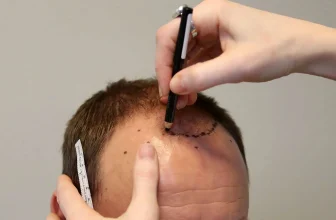
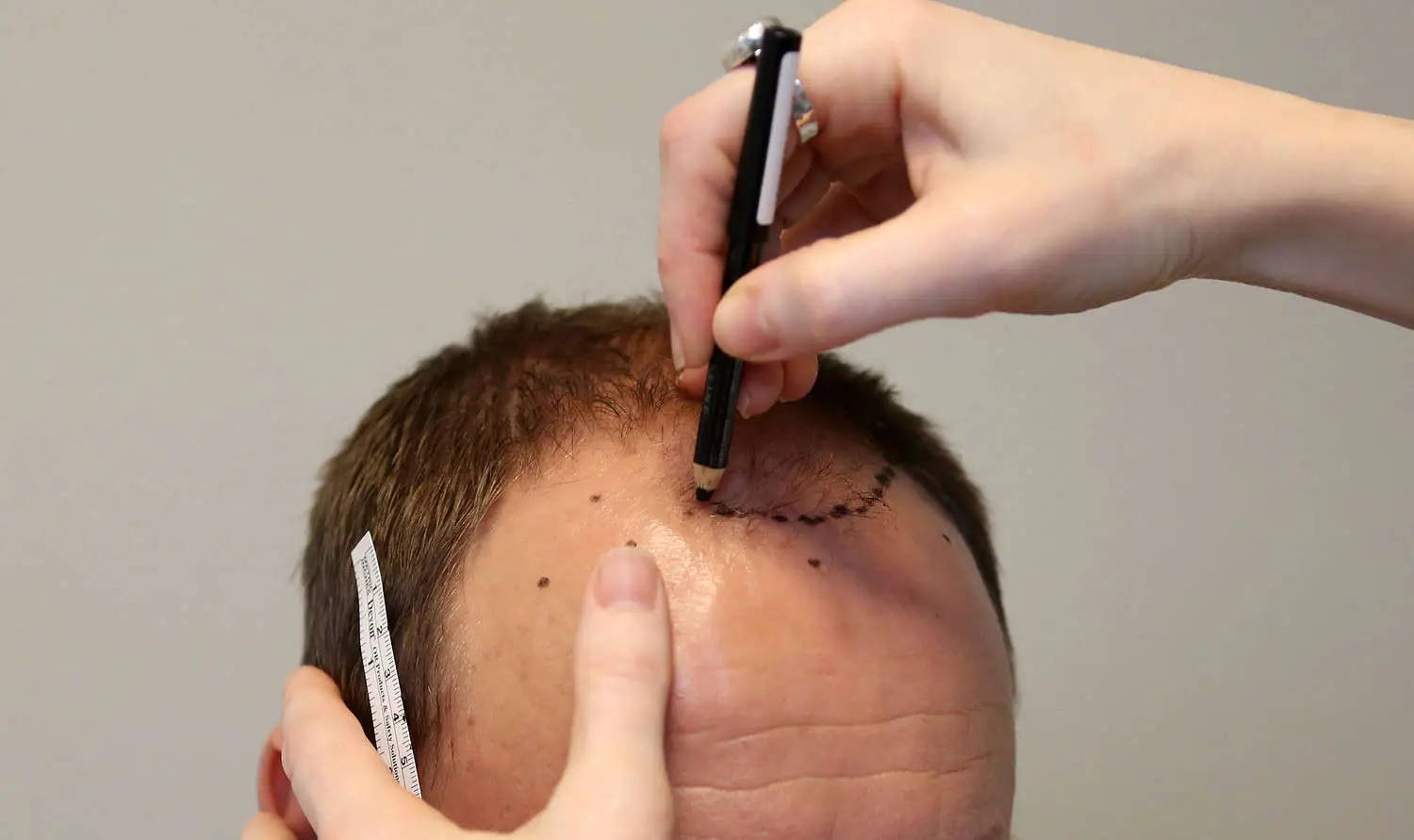
Many people considering a hair transplant are comfortable with the idea of treatment itself but are uncertain about what it feels like. Hair transplantation is commonly performed as a day-case procedure under local anaesthetic, meaning you remain awake while the scalp is numbed.
In Short
A hair transplant under local anaesthetic should not involve sharp pain once the scalp is adequately numb. The injections are often the most uncomfortable stage, while pressure, vibration, pulling or movement may still be noticeable during treatment. Sedation is optional for some patients and does not replace local anaesthetic.
How is local anaesthetic used in a hair transplant?
Local anaesthetic temporarily blocks pain signals in a specific area while you remain conscious. During a hair transplant, it is used to numb the areas of the scalp involved in harvesting and placing grafts.
Local anaesthetic medicines used in hair restoration may include agents such as lidocaine or bupivacaine, although the exact medicine, dose and technique are determined by the treating medical team. The process usually begins with injections into the scalp, and the physician checks that the area is adequately numb before starting the surgical stage.
Local anaesthesia is different from general anaesthesia. You are not fully unconscious and can normally communicate with the clinical team during the procedure. This allows you to report discomfort, anxiety or a need to change position.
What does a hair transplant feel like?
During the anaesthetic injections
The injections are commonly the most noticeable or uncomfortable part of the procedure. You may feel brief pinpricks, pressure, warmth, burning or short-lived stinging. The level of discomfort varies between individuals and may depend on the injection site, the amount of anaesthetic needed and personal sensitivity.
Clinicians may use measures intended to reduce injection discomfort, including topical anaesthesia, slow injection, warming or buffering the local anaesthetic solution, and regional nerve or field blocks. The most suitable approach depends on the physician’s technique and your individual circumstances.
Once the scalp is numb
When local anaesthesia is working properly, sharp pain should be prevented. You may still notice sensations that are not the same as pain, including pressure, vibration, pulling, movement or contact with the scalp. These sensations can occur while hair follicles are harvested or placed.
Tell the clinical team if you feel sharp pain rather than pressure or movement. They can assess whether further local anaesthetic is needed.
During a longer procedure
A hair transplant can involve extended periods in the treatment chair. Even without pain, remaining in one position may become tiring. You may hear conversations or equipment and may be asked to change position during different stages of the procedure.
For some patients, anxiety about staying awake is more noticeable than physical discomfort. Discuss this during your consultation so that the physician can explain the available options and whether sedation may be appropriate.
Is sedation needed for a hair transplant?
No. Sedation is optional rather than universally necessary for hair transplantation. Many patients undergo the procedure with local anaesthetic alone and remain awake throughout.
Whether sedation is considered depends on factors such as anxiety, the expected duration of treatment, general health, current medicines and the clinician’s assessment. Sedation may help some patients feel more relaxed or drowsy, but it does not numb the scalp and does not replace local anaesthetic.
Evidence specifically comparing sedation approaches in hair transplantation is limited. Available recommendations rely substantially on practice guidance, expert consensus and small observational studies rather than high-quality comparative trials. There is therefore no single sedation approach that is suitable for every patient.
What should you ask about sedation?
If you are considering treatment in Turkey or another country, ask the clinic exactly what is being proposed. The word sedation can describe different levels of medication and alertness.
- Will the procedure use local anaesthetic alone, or is sedation being considered?
- What type of sedation is proposed, and will I remain able to respond?
- Who will administer and monitor the sedative?
- What monitoring will be used during the procedure?
- What happens if sedation becomes deeper than intended?
- Will I need someone to accompany me after treatment?
- What restrictions will apply after sedative medication?
When parenteral or procedural sedation is used, appropriate monitoring and emergency preparation are important. Guidance recommends monitoring consciousness, breathing and ventilation, oxygenation, and cardiovascular status. There should also be trained personnel able to manage or rescue a patient if the level of sedation becomes deeper than intended.
How should you prepare?
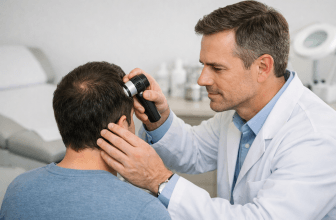
Preparation begins with a complete medical consultation. Tell the physician about medical conditions, allergies, previous reactions to anaesthetic, regular medicines, supplements and any history of difficulty with sedation. Also mention significant anxiety during previous procedures.
Ask whether you should take your usual medicines on the day of treatment and whether any medicines or supplements need special consideration. Do not stop prescribed medication unless your treating clinician specifically advises you to do so.
If sedation may be used, ask the clinic for its written instructions about preparation, transport and any supervision needed after treatment. International patients should also confirm how they will return to their accommodation, how follow-up will be arranged and whom to contact if they have concerns after leaving the clinic.
What happens after the procedure?
As the local anaesthetic wears off, the scalp may become more sensitive or sore. You may also notice temporary tenderness at the injection sites. Your clinic should provide individual aftercare instructions for your procedure.
If sedation was used, you may feel drowsy or less alert afterward. Follow the clinic’s instructions about activities, transport and supervision. Contact the clinic using the information provided if you have concerns after treatment.
What are the risks and limitations?
Local anaesthetic injections can be uncomfortable, and temporary soreness may occur as the effect wears off. Local anaesthetic may not eliminate every sensation: pressure, vibration, pulling and movement can remain noticeable even when sharp pain is blocked.
Sedation has additional considerations. It may affect alertness, breathing, oxygenation, cardiovascular function or responsiveness, particularly if the level becomes deeper than planned. This is why procedural sedation requires appropriate monitoring, trained staff and the ability to respond to complications.
The most appropriate approach cannot be selected from general information alone. Suitability for local anaesthetic techniques, optional sedation and hair transplantation itself should be determined by a qualified physician after reviewing your health and treatment plan.
Local anaesthetic alone or local anaesthetic with sedation?
Local anaesthetic alone may be suitable for patients who are comfortable staying awake and can tolerate the injections and sensations involved. It numbs the treatment area without intentionally making the patient drowsy.
Local anaesthetic with optional sedation may be discussed when anxiety is a major concern or when the expected procedure is prolonged. Sedation may make the experience easier for some patients, but it does not remove the need for local anaesthetic or appropriate monitoring.
Neither option is automatically better for everyone. The decision should be based on an informed discussion with a qualified physician, taking into account personal preferences, health, anxiety level and the clinic’s safety protocol.
Frequently asked questions
Will I be awake during a hair transplant?
Usually, yes. Hair transplantation is commonly performed under local anaesthetic while the patient remains conscious. Optional sedation may make you relaxed or drowsy, but it does not necessarily mean that you will be fully unconscious.
Will the injections hurt?
The injections are commonly the most noticeable or uncomfortable part of the procedure. You may feel brief stinging, pressure, warmth or burning. Techniques such as topical anaesthesia, slow injection, warming or buffering the solution, and nerve or field blocks may help reduce injection discomfort.
Will I feel the grafts being taken out or placed?
After adequate local anaesthesia, sharp pain should be prevented. You may still feel pressure, vibration, pulling or movement. Tell the clinical team if you feel sharp pain so they can assess the anaesthesia.
Can sedation replace local anaesthetic?
No. Sedation can help you relax or become drowsy, but it does not numb the scalp. It should be used alongside local anaesthesia when considered appropriate.
Is sedation safe?
Sedation has risks and is not suitable for everyone. When it is selected, administered and monitored appropriately, safety arrangements should include trained personnel, monitoring and emergency preparedness. Ask who will provide it, how you will be monitored and what emergency support is available.
Medical References
- Hair Transplant Practice Guidelines — Indian Society of Hair Restoration Surgery; Journal of Cutaneous and Aesthetic Surgery.
- CME article Part II. Hair transplantation: Surgical technique — American Academy of Dermatology; Journal of the American Academy of Dermatology.
- Local Anesthesia Techniques in Hair Restoration Surgery — Dermatology Online Journal.
- Local anaesthetic — National Health Service.
- Practice Guidelines for Moderate Procedural Sedation and Analgesia 2018 — American Society of Anesthesiologists and collaborating professional societies.