Written by: Estexper Medical Editorial Team
Medically reviewed by: Mehmet Kaya, MD
Many patients considering bariatric surgery in Turkey also use Ozempic, Wegovy or Mounjaro for diabetes, weight management or both. A common question is whether these medicines must be stopped before an operation under general anesthesia.
In Short
You do not automatically need to stop Ozempic, Wegovy or Mounjaro before bariatric surgery. These medicines can delay gastric emptying, so the bariatric surgeon, anesthesiologist and prescribing clinician should assess factors such as recent dose changes, gastrointestinal symptoms and diabetes control. If concern is higher, the team may use measures such as a 24-hour liquid-only diet, gastric ultrasound, modified anesthesia precautions or postponement when appropriate.
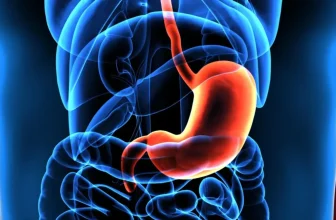
Ozempic, Wegovy and Mounjaro can delay gastric emptying, which may leave food or liquid in the stomach despite standard fasting. This creates a potential concern about regurgitation or aspiration during general anesthesia or deep sedation.
Current guidance supports an individualized decision made by the bariatric surgeon, anesthesiologist and prescribing clinician. Your plan should take into account the medicine you use, the dose, how long you have been taking it, your symptoms, your diabetes control and the type and timing of surgery.
What are Ozempic, Wegovy and Mounjaro?
Ozempic and Wegovy contain semaglutide. Mounjaro contains tirzepatide, which acts on both glucose-dependent insulinotropic polypeptide and glucagon-like peptide-1 pathways. These injected medicines may be prescribed for type 2 diabetes, chronic weight management or related metabolic indications, depending on the product and local prescribing rules.
They can slow gastric emptying and may cause gastrointestinal symptoms such as nausea, vomiting, constipation or abdominal discomfort. These effects are relevant before bariatric surgery because anesthesia can reduce protective reflexes. If significant stomach contents remain, there is a potential risk that they could move into the throat or lungs.
It is important to distinguish between a possible increase in residual gastric contents and proven pulmonary aspiration. A 2025 systematic review and meta-analysis found more residual gastric contents among people taking GLP-1 receptor agonists despite fasting, but did not find a statistically significant increase in pulmonary aspiration. The certainty of the evidence was low or very low. Evidence specifically involving bariatric surgery is also limited and mainly observational.
Should you stop Ozempic, Wegovy or Mounjaro before surgery?
Not necessarily. The 2024 multisociety perioperative guidance, which includes the American Society of Anesthesiologists and the American Society for Metabolic and Bariatric Surgery, states that many patients can continue GLP-1-based treatment before elective surgery when an individualized assessment does not identify a significant risk of delayed gastric emptying.
A UK multidisciplinary consensus statement similarly supports continuing GLP-1 and GLP-1/GIP medicines with risk assessment and measures to reduce potential aspiration risk. These recommendations reflect that stopping treatment does not have a proven benefit for every patient and may create disadvantages, particularly for people using the medicine to control diabetes.
If your risk appears higher, your team may consider a liquid-only diet for at least 24 hours, a point-of-care gastric ultrasound when available, modified anesthesia precautions or postponement of the procedure when clinically appropriate.
Do not skip an injection, change your dose or restart the medicine on your own. Semaglutide and tirzepatide are long-acting medicines, so their effects may not disappear immediately after one missed dose. If treatment is interrupted, clinicians must also consider blood glucose control, the reason you take the medicine and your postoperative ability to eat and drink.
Who may have a higher risk before bariatric surgery?
Your clinicians may consider you at potentially higher risk of delayed gastric emptying if one or more of the following applies:
- You have recently started Ozempic, Wegovy or Mounjaro.
- You are in the dose-escalation phase or have recently increased the dose.
- You are taking a higher dose.
- You use a weekly formulation and have other risk factors or symptoms.
- You have ongoing nausea, vomiting, severe constipation or abdominal pain.
- You have suspected gastroparesis or another condition that slows gastric emptying.
- You have difficulty tolerating the medicine or significant gastrointestinal side effects.
Having one of these features does not automatically mean surgery cannot proceed. It means the anesthesia and surgical team may need additional information and a more cautious plan. Report symptoms honestly, even if they seem mild.
Why diabetes control also matters
Some patients take Ozempic or Mounjaro primarily to manage diabetes, while others use Wegovy or another medicine mainly for weight management. If a diabetes medicine is withheld, blood glucose may rise. Poorly controlled blood glucose can create perioperative concerns, so stopping treatment without a replacement or monitoring plan may not be appropriate.
The medical team must balance the possible risk associated with delayed gastric emptying against the potential consequences of interrupting metabolic treatment. The prescribing clinician may need to advise on glucose monitoring or alternative management if a temporary interruption is recommended. This should be coordinated before you travel rather than decided at the last minute.
How is the preoperative decision made in Turkey?
When arranging bariatric surgery in Turkey, send the clinic a complete and up-to-date medication list before your consultation. Include the brand name, active ingredient if known, dose, injection schedule, date of the last dose, date of the next planned dose and the reason for treatment.
You should also tell the team about:
- Recent nausea, vomiting, constipation, reflux or abdominal pain.
- Any recent dose increase or treatment initiation.
- Diabetes or other metabolic conditions.
- Previous problems with anesthesia or sedation.
- Known stomach or digestive conditions that may slow emptying.
- Other prescription medicines, over-the-counter products or supplements.
The bariatric surgeon and anesthesiologist will use this information to assess whether you can continue treatment and whether additional precautions are needed. Your prescribing clinician may also be involved, particularly if you use the medicine for diabetes or your treatment has recently changed.
Possible preparation strategies if risk is elevated
Liquid-only diet
Guidance discusses a liquid-only diet for at least 24 hours as one possible risk-reduction measure. This is not a substitute for the fasting instructions issued by your anesthesiologist. Your clinic should tell you exactly which liquids are permitted, when you must stop drinking and whether the plan differs because of diabetes or the surgical schedule.
Gastric ultrasound
A point-of-care gastric ultrasound may be considered when the technology and trained personnel are available. It can help the anesthesia team assess stomach contents shortly before anesthesia, although it is not used in every hospital or for every patient.
Modified anesthesia precautions
The anesthesiologist may adapt the anesthesia plan to reduce aspiration risk when appropriate. The precise approach depends on your medical history, symptoms, examination and local clinical protocols. This decision is made by the anesthesiologist.
Postponement when necessary
If you have concerning symptoms or the team believes the risk cannot be reduced adequately, postponing elective surgery may be considered. This is a safety decision rather than necessarily a permanent cancellation. The procedure can be reconsidered after symptoms, medication dosing and preparation have been reviewed.
What should international patients do before travelling to Turkey?
Discuss your GLP-1 or GLP-1/GIP medicine with the Turkish clinic well before booking flights. Medication policies can vary between hospitals, and a remote preoperative review may not replace the final in-person assessment by the anesthesiologist.
Bring your medication packaging or a clear photograph of the label, together with a written list of your medicines and relevant medical records. Confirm how the clinic will communicate with your regular diabetes or weight-management clinician if a medication change is needed.
Do not assume that a general internet instruction applies to your operation. Bariatric surgery involves general anesthesia and changes in postoperative food and fluid intake, so the medical team needs to coordinate both preoperative and recovery plans. If surgery is delayed, ask the clinic or prescribing clinician when and how to resume the planned medication schedule.
After surgery: restarting treatment safely
Restarting Ozempic, Wegovy or Mounjaro after bariatric surgery should also be clinician-directed. After an operation, oral intake may be reduced and gastrointestinal symptoms may occur. The team may need to consider hydration, blood glucose, nausea, constipation, abdominal pain and your ability to follow the postoperative diet before confirming the next dose.
Do not take an additional dose to compensate for a missed injection. If you are unsure about the timing of your next dose, contact the bariatric clinic or prescribing clinician. Seek urgent medical advice for severe or persistent vomiting, significant abdominal pain, difficulty keeping fluids down or symptoms of abnormal blood glucose.
Frequently asked questions
Do I always have to stop Wegovy before bariatric surgery?
No. Current multisociety guidance does not support an automatic requirement for every patient to stop Wegovy. The decision depends on symptoms, dose, treatment stage, medical conditions and the assessment of the surgical and anesthesia team.
Is Mounjaro different from Ozempic for anesthesia planning?
Mounjaro contains tirzepatide, while Ozempic contains semaglutide. Both can delay gastric emptying and cause gastrointestinal symptoms, so both are relevant to preoperative risk assessment. The team should know which medicine you use and your exact dosing schedule.
Does fasting completely remove the risk?
Not necessarily. Research suggests that some patients taking GLP-1 receptor agonists may have residual gastric contents despite fasting. However, the evidence has not established a statistically significant increase in pulmonary aspiration, and certainty of the evidence is limited. Follow the specific fasting and preparation instructions provided by your anesthesiologist.
Can I stop the medicine myself several days before travelling?
You should not make this decision without medical advice. The appropriate plan depends on why you take the medicine, diabetes control, timing of surgery, symptoms and the long-acting nature of semaglutide or tirzepatide. Self-directed interruption may leave you without an appropriate glucose or weight-management plan.
Will my bariatric surgery be cancelled if I report nausea?
Not automatically. Nausea, vomiting, severe constipation or abdominal pain may prompt further assessment and additional precautions. If the team believes the risk is too high for safe elective anesthesia, postponement may be recommended. The decision is individualized.
Key points to remember
- There is no universal rule that every patient must stop Ozempic, Wegovy or Mounjaro before bariatric surgery.
- These medicines can delay gastric emptying, so symptoms and treatment history must be reviewed.
- Recent initiation, dose escalation, higher doses and significant gastrointestinal symptoms may increase concern.
- Possible risk-reduction measures include a 24-hour liquid-only diet, gastric ultrasound, modified anesthesia precautions or postponement.
- Stopping diabetes treatment can affect blood glucose, and long-acting medicines may continue to have effects after a missed dose.
- The final decision should be made jointly by your bariatric surgeon, anesthesiologist and prescribing clinician.
At Estexper Clinic, patients considering bariatric surgery in Turkey should provide a complete medication history during preoperative planning. Suitability, preparation instructions and medication plans must be determined by qualified physicians who understand the individual’s health history.
TREATMENT OPTIONS
Explore Your Treatment Options
Find out more about our services and discuss which options may suit your individual needs.
YOUR NEXT STEP
Discuss Your Questions With Our Team
Request an individual assessment or ask our team about treatment planning and follow-up arrangements.
Medical References
- Multi-society clinical practice guidance for the safe use of glucagon-like peptide-1 receptor agonists in the perioperative period — American Gastroenterological Association, American Society for Metabolic and Bariatric Surgery, American Society of Anesthesiologists, International Society of Perioperative Care of Patients with Obesity, and Society of American Gastrointestinal and Endoscopic Surgeons.
- Elective peri-operative management of adults taking glucagon-like peptide-1 receptor agonists, glucose-dependent insulinotropic peptide agonists and sodium-glucose cotransporter-2 inhibitors: a multidisciplinary consensus statement — Association of Anaesthetists and collaborating UK professional societies, including the British Obesity and Metabolic Surgery Society.
- Association between glucagon-like peptide-1 receptor agonist use and peri-operative pulmonary aspiration: a systematic review and meta-analysis — Anaesthesia / PubMed.
- OZEMPIC (semaglutide) Prescribing Information — U.S. Food and Drug Administration.
- WEGOVY (semaglutide) Prescribing Information — U.S. Food and Drug Administration.
- MOUNJARO (tirzepatide) Prescribing Information — U.S. Food and Drug Administration.