Written by: Estexper Medical Editorial Team
Medically reviewed by: Dt. Sibel Gokceer
Veneers can create a more even-looking smile by covering the visible front surface of a tooth. However, they are elective cosmetic restorations, not a treatment for active dental disease or significant tooth misalignment. If you have cavities, gum disease or crooked teeth, suitability depends on the condition of your teeth, gums, bite and supporting tissues.
In Short
- Untreated cavities and active gum disease should generally be treated or controlled before veneers are considered.
- Veneers may camouflage mild shape, spacing or alignment irregularities, but they do not move teeth or correct an abnormal bite.
- Significant crowding, malocclusion, inadequate enamel, severe tooth malposition or heavy grinding may make veneers less suitable.
- A qualified dental professional should assess your oral health, enamel and bite before cosmetic treatment is planned.
Can you get veneers with cavities?
Veneers are generally not placed over teeth with untreated cavities. Decay can weaken the tooth and compromise the foundation to which a veneer must bond. Placing a veneer without addressing decay may leave active disease untreated and affect the long-term result.
The usual approach is to diagnose and treat the decay first. Depending on the tooth and the extent of the damage, this may involve removing decayed tissue and restoring the tooth. Once the tooth is healthy and stable, the dentist can reassess whether a veneer is appropriate.
American Dental Association guidance states that teeth should be healthy and free of decay before veneer treatment. This does not mean that anyone who has previously had a cavity cannot receive veneers. It means active, untreated disease should not be hidden beneath an elective cosmetic restoration.
What if the tooth has extensive damage?
A tooth with extensive decay, a large restoration or substantial structural loss may not provide enough healthy enamel or tooth structure for predictable veneer bonding. Veneers are thin coverings and are not a replacement for every type of restorative treatment. In some cases, the dentist may decide that a veneer is unsuitable because the tooth cannot reliably support it.
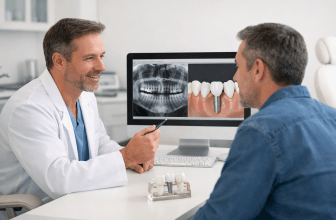
This decision requires an examination and may include imaging if the dentist considers it necessary to evaluate the remaining tooth structure and surrounding tissues. The appropriate option depends on the individual tooth rather than on the visible appearance of a cavity alone.
Can you get veneers with gum disease?
Active gum disease is another important concern. Periodontal disease can involve inflammation, bleeding, gum recession, loss of supporting bone or tooth mobility. These problems may complicate treatment planning and affect the long-term condition of teeth and restorations.
For this reason, active periodontal disease should generally be treated or controlled before veneers are placed. A dentist may assess the gums for bleeding, inflammation, recession and other signs of periodontal problems. If needed, periodontal treatment and professional monitoring should come before cosmetic planning.
Healthy gums are also important for the appearance and maintenance of veneers. Accurate margins and careful positioning help create areas that can be cleaned effectively. Ongoing oral hygiene remains important because veneers do not prevent plaque buildup, decay or gum disease.
Can veneers be placed after gum disease treatment?
A previous history of gum disease does not automatically rule out veneers. If the condition has been treated and oral health is stable, a qualified dental professional can assess whether cosmetic treatment is reasonable. The decision may depend on gum health, supporting tissues, tooth stability, available enamel and the ability to maintain daily hygiene and attend follow-up care.
Evidence about periodontal outcomes after veneers is limited and heterogeneous. A 2024 systematic review reported generally favorable periodontal findings in the available studies but emphasized the importance of periodontal health before placement and the need for more long-term research. This supports careful case selection rather than a one-size-fits-all approach.
Can veneers fix crooked teeth?
Veneers can sometimes improve the appearance of mildly crooked, unevenly shaped or slightly spaced teeth. They may create the visual impression of a straighter smile by changing the color, shape, width or contour of the visible tooth surface.
However, veneers do not move teeth. They do not correct the underlying position of the roots, change the jaw relationship or resolve an abnormal bite. If teeth are significantly crowded, rotated or displaced, covering them with veneers may require removal of tooth structure or result in a shape that is not suitable for the bite.
Orthodontic treatment, such as braces or clear aligners, is generally considered for crowded or significantly crooked teeth and abnormal bites. The American Dental Association notes that untreated alignment problems may contribute to difficulty cleaning, gum disease, decay, tooth loss or abnormal enamel wear. A dental assessment can help determine whether the main concern is cosmetic shape or an underlying alignment problem.
When might veneers be considered for crooked teeth?
Veneers may be considered when the irregularity is mild, the teeth are healthy and there is enough suitable enamel for bonding. They may be useful when the primary concern is visible tooth shape or proportion rather than a functional bite problem.
Veneers may be less suitable when teeth are severely malpositioned, there is insufficient enamel, the bite is deep, or the proposed restoration would need to be unusually thick. Severe bruxism, or forceful grinding and clenching, can also increase the risk of damage and may affect candidacy.
What should happen before veneers?
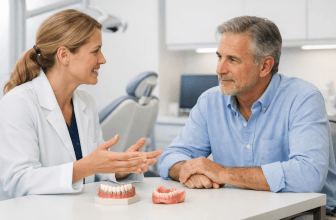
A responsible veneer consultation should begin with an assessment of oral health, not only a discussion of smile design. The dentist may examine the teeth and gums, review the bite, evaluate existing restorations and consider whether there is enough healthy enamel for bonding.
Before treatment, issues that may need to be addressed include:
- Untreated cavities or other dental disease
- Gum inflammation or active periodontal disease
- Structural damage or extensive restorations
- Severely crooked or crowded teeth
- An abnormal bite or deep overbite
- Heavy grinding or clenching
- Oral hygiene concerns that could affect long-term maintenance
If you are considering treatment in Turkey as an international patient, request a detailed clinical assessment before travelling. Photographs can help with an initial discussion, but they may not show cavities, gum disease, bite problems or the amount of healthy enamel available. Ask what examinations are required, who will provide the treatment and how follow-up will be managed after you return home.
What does the veneer procedure involve?
Once oral health and suitability have been assessed, the dentist can discuss the planned appearance and the type of veneer being considered. The process may involve preparing the tooth surface, taking impressions or digital scans, creating the restoration and bonding it to the tooth. The exact sequence varies according to the individual case and material selected.
Because veneer treatment may involve removal of some enamel and is not generally reversible, the decision should not be based only on a temporary cosmetic preview or a desire for rapid results. Patients should understand how much tooth structure may be altered, how the restoration will fit the bite and what maintenance may be required.
If alignment is a major concern, orthodontic treatment may be discussed before cosmetic restoration. Treating tooth position first can sometimes provide a more conservative basis for later aesthetic decisions, although the appropriate sequence must be determined by the treating dental team.
Aftercare and limitations
After veneers are placed, follow the instructions provided by the treating dentist. Good daily oral hygiene remains important. Brush carefully, clean between the teeth and attend recommended reviews so the veneers, gums and natural teeth can be monitored.
Seek dental advice if you notice persistent bleeding, swelling, pain, sensitivity, looseness or a change in your bite. If you grind or clench your teeth, discuss this with your dentist before treatment. Severe bruxism is a reported risk factor that may make veneers unsuitable or increase the risk of complications.
Veneers may not be appropriate for teeth with active decay, uncontrolled gum disease, extensive structural loss, inadequate enamel or severe malposition. They also do not correct the underlying bite or replace orthodontic treatment when significant alignment problems are present.
As with any dental restoration, the long-term result depends on careful planning, accurate margins, tooth preparation, oral hygiene, bite forces and regular dental care. Before proceeding, ask about alternatives, expected maintenance, possible repair or replacement needs and what may happen if oral health changes in the future.
Veneers or orthodontic treatment?
The choice depends on what needs to be corrected. Veneers change the visible appearance of teeth, while orthodontic treatment moves teeth and can address alignment or bite concerns. A person with slightly uneven tooth edges may be a candidate for veneers, whereas someone with significant crowding, rotation or malocclusion may need orthodontic assessment.
Neither option should be selected without first addressing active cavities or gum disease. A qualified dentist, and when appropriate a periodontist or orthodontist, can explain whether cosmetic restoration, alignment treatment or a staged plan is the most suitable approach.
Frequently asked questions
Can veneers hide a cavity?
They should not be used to hide untreated decay. The cavity should be diagnosed and treated first, after which the tooth can be reassessed for a veneer or another restoration.
Can I get veneers if my gums bleed?
Bleeding may indicate inflammation or gum disease and should be evaluated before cosmetic treatment. Veneers are generally considered after active periodontal problems have been treated or controlled.
Will veneers straighten very crooked teeth?
Veneers can camouflage minor irregularities, but they do not move teeth or correct the bite. Significant crookedness or crowding may be better addressed with orthodontic treatment.
Can I travel to Turkey for veneers if I have dental problems?
International patients should arrange a thorough assessment before travelling and disclose any cavities, gum symptoms, grinding or previous dental treatment. Confirm how examinations, treatment planning and follow-up will be handled locally and after you return home.
Conclusion
Veneers may be possible after cavities and gum disease have been treated and oral health has stabilized. They can sometimes improve mildly crooked or poorly shaped teeth, but they do not replace orthodontic treatment for significant crowding or an abnormal bite.
The safest decision is based on a complete examination of the teeth, gums, enamel, bite and dental habits. Estexper Clinic can discuss options after a qualified dental assessment, but individual suitability must always be determined by the treating dental professional.
TREATMENT OPTIONS
Explore Your Treatment Options
Find out more about our services and discuss which options may suit your individual needs.
YOUR NEXT STEP
Discuss Your Questions With Our Team
Request an individual assessment or ask our team about treatment planning and follow-up arrangements.
Medical References
- Improving your smile with dental veneers — American Dental Association, The Journal of the American Dental Association.
- Porcelain veneers: An update — Dental and Medical Problems; indexed in PubMed.
- The Effect of Various Preparation and Cementation Techniques of Dental Veneers on Periodontal Status: A Systematic Review and Meta-Analysis — National Library of Medicine, PubMed Central.
- Braces — American Dental Association, MouthHealthy.
- Advances in dental veneers: materials, applications, and techniques — National Library of Medicine, PubMed Central.