
Hair Transplant
0
Hair transplants, wigs and hair systems solve visible hair loss in different ways. Learn which option may suit your diagnosis, goals and lifestyle.

0
Hair transplantation is usually unsuitable for active alopecia areata and DUPA. Learn how diagnosis, disease stability and donor quality affect candidacy.

0
A hair transplant may be possible with controlled psoriasis or seborrhoeic dermatitis, but active scalp inflammation should be assessed and treated first.

0
Find out when finasteride or minoxidil may be restarted after a hair transplant, why timing differs, and how to protect healing grafts.
0
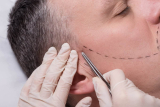
A scalp and beard transplant may be planned together in selected patients. Learn how suitability, graft supply, risks and aftercare are assessed in Turkey.
0
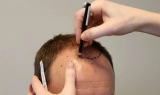
Learn how to assess Turkish hair transplant before-and-after photos fairly, verify important clinical details, and identify images that may mislead.
0
Find out when you can wear a hat or helmet after a hair transplant, how loose caps differ from helmets, and why your surgeon’s advice matters.

0
Hair transplant grafts may show poor or delayed growth for several reasons. Learn how to recognise possible failure and what steps may help.
0
Beard and selected body hair may supplement scalp donor hair in carefully selected patients. Learn about suitability, technique, risks, and expectations in ...
0
A hair transplant may lower a high hairline and restore receding temples, but safe design depends on diagnosis, donor supply, facial proportions, and future ...

0
FUE may camouflage permanent hair loss after scalp injury, burns or surgery, but scar tissue requires careful assessment and realistic expectations.

0
A hair transplant in Turkey can include gentle sightseeing, but recovery restrictions mean it should be planned as a medical trip first.
