Written by: Estexper Medical Editorial Team
Medically reviewed by: Dt. Sibel Gokceer
Before returning home after dental treatment in Turkey, request a complete copy of your clinical records and keep it with your aftercare information. These documents can help a dentist in your home country understand the treatment performed and plan any needed follow-up.
In Short
- Request copies of your treatment plan, clinical notes, consent forms, prescriptions, aftercare instructions and relevant referrals.
- Ask for usable digital copies of radiographs, CBCT scans and photographs, not only screenshots or printed images.
- If you received implants, obtain the manufacturer, system, dimensions, tooth site and prosthetic component details, with lot or batch numbers where available.
- The clinic will generally retain the original clinical file, while you can request copies for your personal records.
Turkey’s Ministry of Health patient-rights information states that patients may examine health records and obtain a copy. The practical process, format and any applicable fees can vary between facilities, so it is sensible to make the request before your final appointment or departure.
This guide explains which records to request after dental treatment in Turkey, with additional details for patients who have received implants, crowns, bridges, veneers, dentures or other laboratory-made restorations.
Why should you bring copies of your dental records home?
A dentist at home may need your records to provide safe and coordinated follow-up care. Without documentation, they may have difficulty identifying the treatment already completed or determining what should happen next.
Complete records may help your local dentist:
- Understand your dental history and the reason for treatment.
- Confirm which teeth were examined, prepared, restored or replaced.
- Review the diagnosis and original treatment plan.
- See pre-treatment and post-treatment radiographs or photographs.
- Avoid unnecessarily repeating diagnostic imaging when existing images are suitable.
- Identify the implant system, restoration and materials used.
- Plan maintenance, adjustments or corrective care when necessary.
- Communicate more effectively with the treating clinic if questions arise.
Records are especially important when treatment is staged over several visits. A dentist who did not perform the original procedure may need to know what has already been completed and what was planned but not yet carried out.
What should be included in your dental record?
Ask for a complete copy rather than only a short discharge note or treatment summary. The American Dental Association identifies several types of information that are typically part of a dental record.
1. Medical and dental history
Request the recorded medical and dental history provided during your consultation. This may include relevant health information, previous dental treatment, current medications and information you disclosed about allergies or medical conditions.
If your health information changed during your stay, ask whether the updated information has been added to the file. A complete history can help a dentist at home interpret your treatment and plan future care appropriately.
2. Examination findings and tooth charting
Your records should include the findings from the dental examination and, where available, tooth-by-tooth charting. This may show existing conditions, missing teeth, restorations, areas assessed and the teeth selected for treatment.
Tooth charting is useful because tooth numbers and descriptions allow another dentist to match the written record with your mouth and any radiographs.
3. Diagnosis and treatment plan
Request the diagnosis or clinical assessment that led to treatment, together with the proposed treatment plan. The plan should identify the procedures recommended, the teeth or sites involved and, where relevant, treatment that remains outstanding.
If the treatment changed after the initial consultation, ask for the updated plan or a note explaining the change. The final record should reflect what was actually performed rather than only the original proposal.
4. Treatment and progress notes
Ask for notes describing the procedures performed at each appointment. Depending on your treatment, these may include preparation of teeth, placement of restorations, implant surgery, fitting or adjustment of prosthetic work, and follow-up assessments.
Progress notes can help your dentist at home distinguish between routine follow-up and a new problem. They may also show whether the treatment was completed in one stage or whether further clinical visits were expected.
5. Consent documentation
Include copies of signed informed-consent forms or other consent documentation. These forms may describe the planned procedure, relevant options and information provided before treatment.
Consent documents are not a substitute for a clinical summary, but they are part of the treatment record and may help clarify what was discussed and authorised.
Request every relevant dental image
Diagnostic images form an important part of your dental record. Ask for copies of all images related to your treatment, including:
- Periapical dental radiographs.
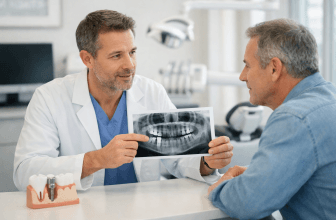
- Panoramic radiographs.
- CBCT scans, where one was taken.
- Intraoral photographs.
- Pre-treatment and post-treatment images.
- Images showing implant placement or the completed restoration, where available.
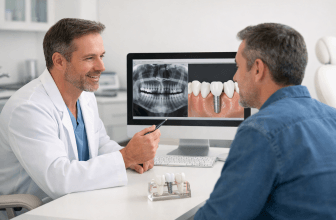
Whenever possible, request the original digital files or a commonly usable digital export rather than only screenshots or printed images. Ask the clinic how the files can be opened and whether the complete scan is included. A CBCT scan supplied only as a screenshot may not provide the same information as the usable digital study.
Keep the images together with the written report or clinical notes. Label the files with the date and type of image if the clinic has not already done so. Do not alter or edit the original files. Your dentist at home can advise whether a particular image is suitable for clinical use or whether new imaging is needed.
Additional records for dental implants
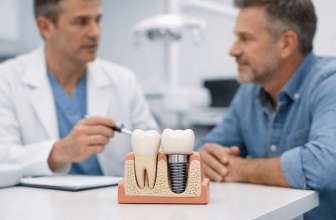
If you received dental implants, request detailed implant and prosthetic documentation before leaving Turkey. This information can be important for future maintenance, assessment and treatment planning.
Ask for a written record of each implant and component used, including the following where available:
- Implant manufacturer.
- Implant system or model.
- Implant dimensions.
- Tooth site or position in the mouth.
- Placement date.
- Abutment details.
- Screw or other prosthetic component details.
- Lot or batch numbers.
- Information about the final crown, bridge or other implant restoration.
Ask whether the clinic can provide implant stickers, product labels or a formal implant passport in addition to the written record. The most useful documentation identifies the actual components used, not merely the general brand discussed during the consultation.
Implant records may be needed if a component requires maintenance, if the restoration needs adjustment or replacement, or if a dentist must select compatible parts. A qualified dentist should assess the implant and surrounding tissues before any treatment is planned. Written records support that assessment but do not replace a clinical examination.
Laboratory and prosthetic documentation
For crowns, bridges, veneers, dentures and implant restorations, ask for any available laboratory and prosthetic information. The records may include:
- Laboratory prescription or work order.
- Material or brand information.
- Shade record.
- Restoration design details.
- Dates of fitting and adjustment.
- Information about the laboratory involved, where appropriate.
These details may help another dentist repair, adjust, monitor or replace the restoration. They can also help clarify whether a restoration was intended as a temporary or definitive part of the treatment plan.
Prescriptions and medication instructions
Take home written information about every prescription issued during or after treatment. The document should state the medicine name, dose, directions, duration and any refill information provided by the prescriber.
Do not rely only on a photograph of a medicine box, particularly if the product name or instructions may be unfamiliar in your home country. Keep the prescription information with your discharge documents and tell your dentist or physician at home about medicines you are taking.
If you have questions about a medicine, an unexpected reaction or whether it is suitable with your other medication, contact a qualified healthcare professional. Do not change prescribed treatment solely on the basis of general online advice.
Written aftercare and follow-up instructions
Request a written aftercare plan in a language you understand. It should reflect the specific treatment you received and may include instructions about:
- Wound care and oral hygiene.
- Eating and drinking.
- Care of temporary or permanent restorations.
- Use of dental appliances.
- Medication and prescribed mouth care.
- Follow-up appointments.
- Signs or symptoms that require prompt contact with the clinic or another healthcare professional.
Ask the clinic to state whether any planned follow-up remains outstanding and which dentist should provide it. If you are returning home before the original treatment plan is complete, request a written summary of the next recommended stage.
Referrals, laboratory records and correspondence
Include copies of referrals, specialist opinions and relevant correspondence between the clinic and laboratory. If the clinic has sent instructions to another provider or has recommended assessment by a different dental professional, ask for a copy.
Keep records of the clinic’s contact details and the name of the department responsible for medical records or patient rights. This can make it easier to request clarification or additional documents after you return home.
How to request your records before leaving Turkey
Raise the request early rather than waiting until the airport transfer or final evening. Contact the clinic’s patient-rights, medical-records or administration unit and ask for a complete copy of your file.
Use a checklist and confirm that you have received:
- Clinical history, examination findings and tooth charting.
- Diagnosis and final treatment plan.
- Treatment and follow-up notes.
- Consent documents.
- Radiographs, CBCT scans and photographs.
- Implant and prosthetic component records, if applicable.
- Laboratory and material information, if applicable.
- Prescriptions and medication instructions.
- Written aftercare and follow-up instructions.
- Referrals and relevant correspondence.
Ask for the documents in English or request a clear explanation of technical terms if the records are issued in another language. Confirm whether there are any administrative requirements or fees for copies. The Ministry of Health information supports a patient’s ability to examine health records and obtain a copy, but the practical procedure may vary by facility and applicable law.
How should you store the records?
Keep one secure digital copy and, if practical, a paper copy. Store radiographs and CBCT files in their original form, together with any instructions needed to open them. Avoid keeping the only copy on a phone that could be lost or damaged.
When you attend a dentist at home, share the relevant records securely and keep your own backup. You may not need to provide every document at every appointment, but the complete file should remain available if questions arise about previous treatment.
What if you did not receive the records before departure?
Contact the clinic as soon as possible and make a written request for copies. Specify the documents and images you need, including implant details or laboratory information when relevant. Keep copies of your correspondence and note when the request was made.
If you experience a dental problem after returning home, arrange an assessment with a qualified dentist and explain that treatment was performed abroad. Bring any documents, photographs, prescriptions or packaging you already have. Your receiving dentist can determine whether new examination or imaging is needed.
Frequently asked questions
Should I take the original dental records?
Usually, you should request copies and allow the clinic to retain the original clinical file. Ask for complete, legible copies and usable digital image files for your personal records.
Do I need implant records if I have no current symptoms?
It is still sensible to keep them. Implant manufacturer, model, dimensions and prosthetic component details may be useful for future maintenance or assessment, even when you currently feel well.
Are printed X-rays enough?
Printed images may be helpful, but ask for the original digital files or a commonly usable export where possible. Your dentist at home can decide whether the existing images are clinically suitable.
Can another dentist continue my treatment?
A dentist in your home country can review your records and examine you, but the decision to continue, modify or correct treatment depends on your individual clinical situation. Suitability must be determined by a qualified dental professional after an appropriate assessment.
Medical References
- Documentation/Patient Records — American Dental Association. Supports the typical contents of dental records, including histories, treatment notes, diagnostic records, prescriptions, radiographs, treatment plans, referrals, follow-up notes, postoperative instructions and consent forms.
- Ownership of Dental Records and Radiographs — American Dental Association. Explains the distinction between original records and copies and recognises radiographs as part of the dental record.
- Documenting Treatment — International Team for Implantology. Supports detailed documentation of implant components, laboratory information and part or lot numbers where available.
- Prevention and Treatment of Peri-implant Diseases: Clinical Practice Guideline — European Federation of Periodontology. Supports the clinical value of baseline and follow-up peri-implant assessment and radiographic documentation.
- Patient Rights and Responsibilities — Republic of Türkiye Ministry of Health. States that patients may examine health records and obtain a copy.